ChemistryJuly 28, 2016
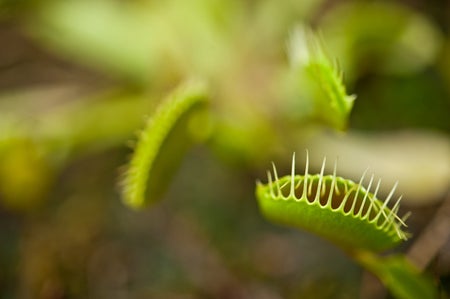
Venus Flytrap Inspires New Material That Snaps Back into Shape
Like the plant, a three-layered hydrogel can change shape then quickly return to original position
Venus Flytrap Inspires New Material That Snaps Back into Shape
Like the plant, a three-layered hydrogel can change shape then quickly return to original position
Making a Sugar Thermometer
A sweet science activity

How to Make Superheavy Elements and Finish the Periodic Table [Video]
Scientists who made three of the newest elements talk about whether they will run out of room for more
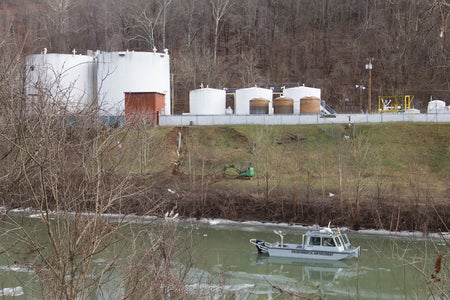
No Health Problems from 2014 Chemical Spill in West Virginia
Government study finds safety for unborn children, calming fears

Can Chemists Turn Pollution into Gold?
Scientists are trying to convert carbon dioxide emissions into something of value—without using too much energy
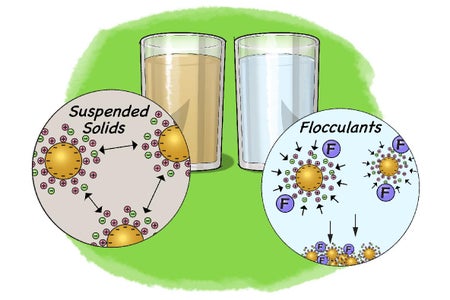
Drinking Water Cleanup
A clarifying science project
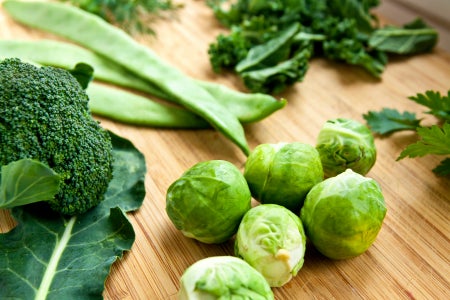
How Good Cooks Keep Green Veggies from Going Brown
Remarkably, a little heat can help because of plant chemistry

Chicken Scent Deters Malaria Mosquitoes
The smell of a chicken wards off one species of malaria-spreading mosquito—meaning the scent compounds, or the birds themselves, might help deter disease. Christopher Intagliata reports.
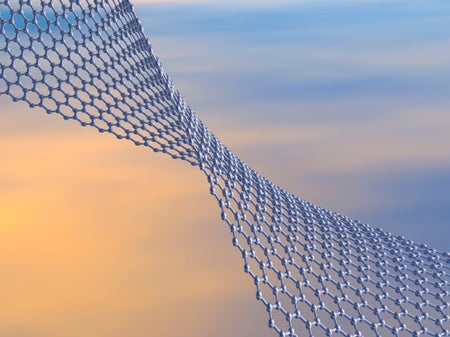
Graphene Sheets Tear Themselves to Ribbons
Peeled strips of single-layer carbon could be useful in electronic circuitry
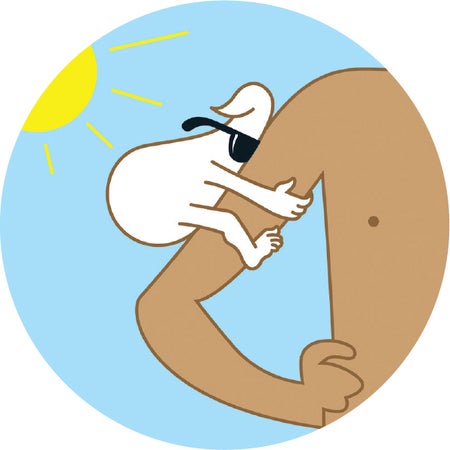
New Sunscreen "Sticks" to the Skin
The active ingredients are encapsulated in nanoparticles, which prevent the chemicals from seeping into the body
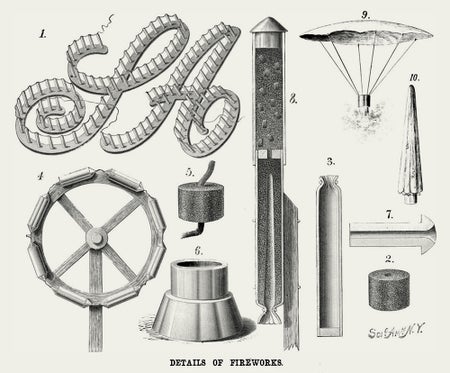
Aerial Fireworks, Illustrated
Graphics from the Scientific American archive provide a glimpse of the history and science of pyrotechnics
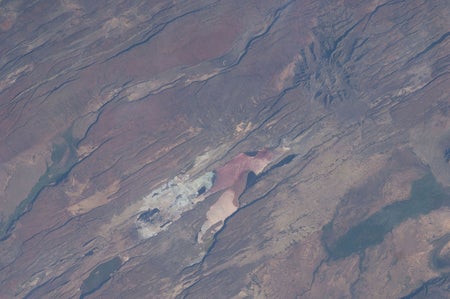
New, Extremely Valuable Helium Deposit Discovered in Africa
The element, crucial for medical scanners and chemical analysis, has been vanishing but a giant new field may lie beneath Tanzania