
ChemistryJune 24, 2016
Science Businesses Worry About British Decision to Leave EU
Greater taxes and trade barriers concern chemical companies
Science Businesses Worry About British Decision to Leave EU
Greater taxes and trade barriers concern chemical companies
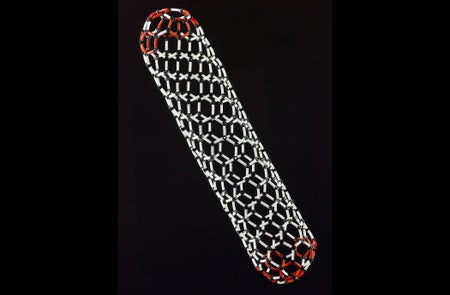
Single-Molecule Switch Can Be Flipped On and Off by Light
Photoswitch may be useful in optical logic, in which light replaces electrical signals

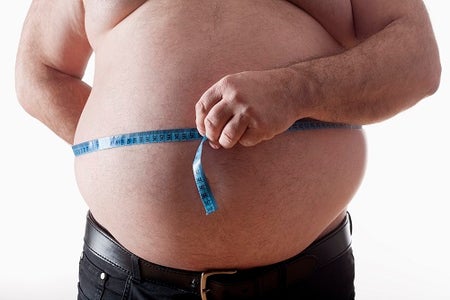
Fat Gets Gut Bacteria Working against the Waistline
In mice, intestinal microbes respond to a high-fat diet by producing acetate, which triggers the release of a hormone that makes mammals feel hungry, causing them to eat even more.

How Kevlar Saved an Orlando Police Officer’s Life
Live Science spoke with two material scientists to learn more about how exactly the high-performance plastic protects people

New Toxic Chemical Law Can Improve Safety and the Environment
It will be harder for chemical companies to hide information, but the EPA will need more money for tests
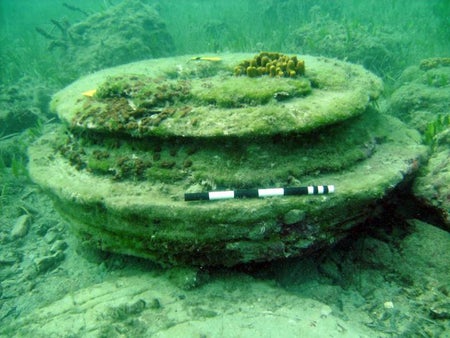
Submerged Lost City Really Bacterially Built
What looked like human-made structures underwater off Greece turned out to be millions-of-years-old concretions deposited by bacteria.
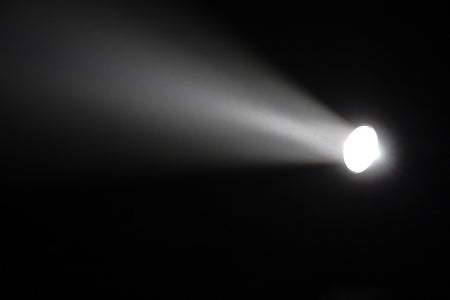
Go to the (White) Light
An energy-efficient alternative to LEDs has greater focusing power, for microscopes and spotlights. Christopher Intagliata reports.
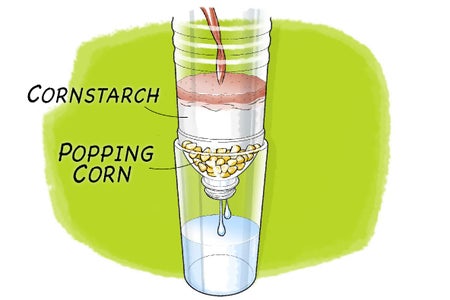
How Dirt Cleans Water
A purified project from Science Buddies
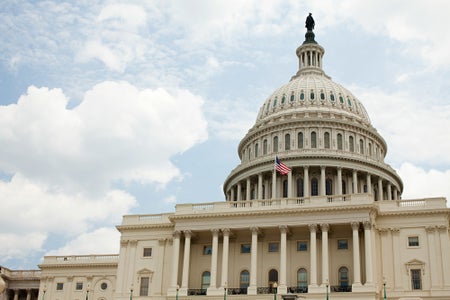
Landmark Chemical Safety Reform Passes Congress
President expected to sign law that strengthens some toxic chemical regulations
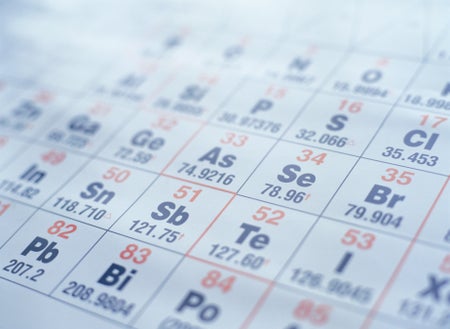
4 New Elements Get Names
The latest additions to the periodic table honor the past
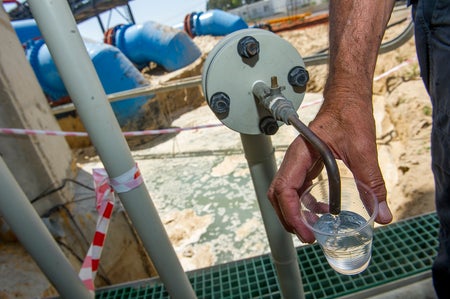
Desalination Breakthrough: Saving the Sea from Salt
A chemist finds a way to cut supersalty discharge and CO2 as the Middle East relies ever more on seawater desalination
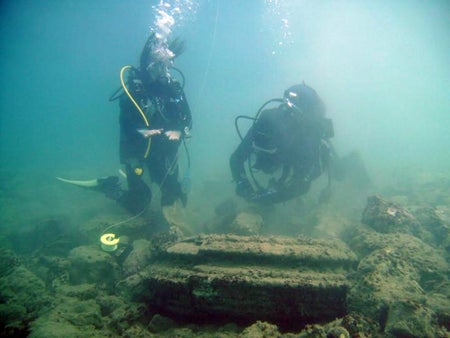
Underwater "Lost City" Built by Microbes?
Geologists find that ancient underwater structures off Greece were likely created by methane jets and bacteria