CognitionNovember 27, 2017
Your Brain Is So Easily Fooled
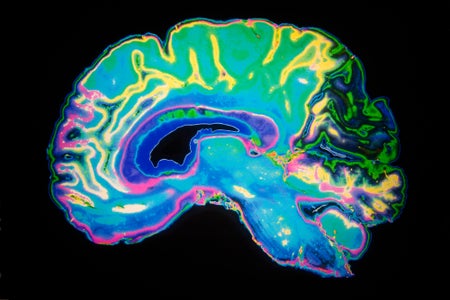
Journalist Erik Vance talks about his first book, Suggestible You: The Curious Science of Your Brain’s Ability to Deceive, Transform and Heal.
Your Brain Is So Easily Fooled
Journalist Erik Vance talks about his first book, Suggestible You: The Curious Science of Your Brain’s Ability to Deceive, Transform and Heal.

Do Fish Suffer?
Speakers at a meeting on animal consciousness dive into a deep ethical debate


Babies Learn What Words Mean before They Can Use Them
Researchers have studied eye-tracking and home videos for new insights

How to Get Children with Autism to Sleep
Poor-quality sleep may heighten behaviors including hyperactivity, compulsions and aggressiveness

How Much Are Dogs Influenced by Local Culture?
Is a dog here like a dog there?

Polluted Water Whale Invents New Feeding Strategy
The Bryde's whale has come up with a passive but more efficient feeding strategy in the hypoxic waters of the Gulf of Thailand.

Bill Gates Invests $100 Million of Personal Money to Fight Alzheimer’s
The billionaire philanthropist’s contribution will be followed by another $50 million in start-up ventures

Autism-Related Movement Problems Persist until Adulthood
Unusual gait, clumsiness and other motor difficulties are not just limited to kids with the disorder

What Does It Feel Like to Be Enlightened?
Over lunch, a philosopher and suburban dad tries to describe the highest state of mystical consciousness

Dirty Windshields and Other Ways to Notice Gradual Change
We want to help kids become better observers, but some of our natural cognitive shortcuts mean that we need to give ourselves reasons to pay attention
Here’s What We Think Alzheimer’s Does to the Brain
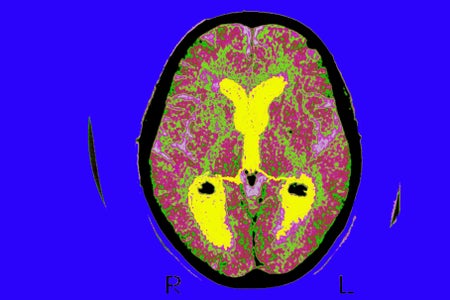
The main way the disease works is to disrupt communication between neurons, the specialized cells that process and transmit electrical and chemical signals between regions of the brain

Language Patterns Reveal Body’s Hidden Response to Stress
Volunteers' use of certain words predicted stress-related changes in gene expression better than their self-reported feelings