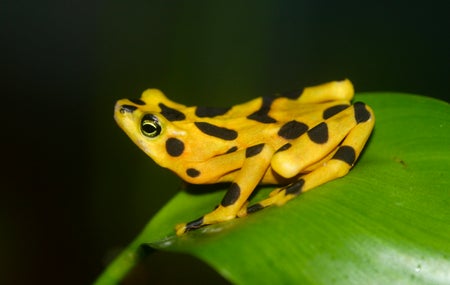
ConservationJune 16, 2019
Why Don’t We Hear about More Species Going Extinct?
The extinction crisis threatens life all over the planet, but scientists are cautious about declaring a species extinct too quickly
Why Don’t We Hear about More Species Going Extinct?
The extinction crisis threatens life all over the planet, but scientists are cautious about declaring a species extinct too quickly
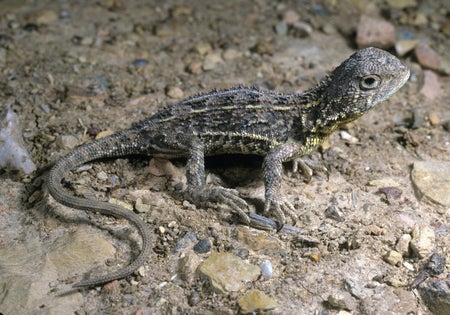
Dragon Quest: Australia Kicks Off Search for Possibly Extinct Lizard
The Victorian grasslands earless dragon hasn’t been observed for 50 years, but conservationists haven’t given up hope yet

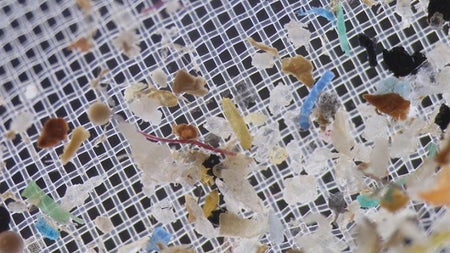
You Contain Multitudes of Microplastics
People appear to consume between 74,000 and 121,000 microplastic particles annually, and that's probably a gross underestimate.

A Biodegradable Label Doesn’t Make It So
At the third Scientific American “Science on the Hill” event, “Solving the Plastic Waste Problem”, one of the issues discussed by experts on Capitol Hill was biodegradability.
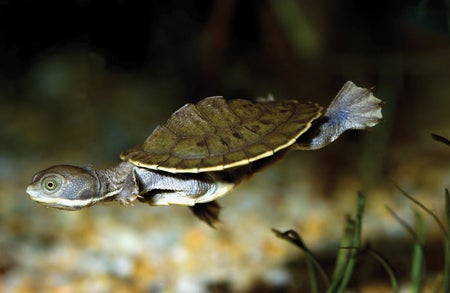
As Predicted, Some of Australia’s Turtles Are Going Extinct
Turtles’ famed longevity can mask their decline—until it is too late
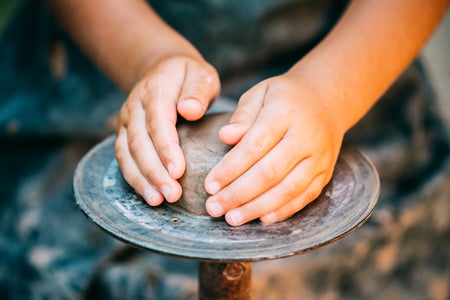
Making the Most of Your Summer Break
Avoid wondering where all of those summer hours went when school starts back up again
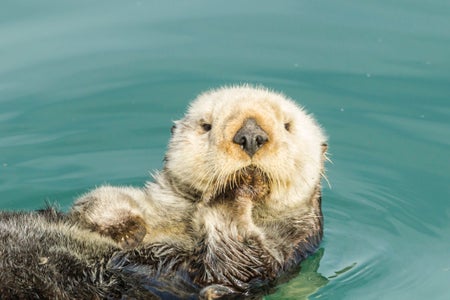
When One Protected Species Kills Another, What Are Conservationists to Do?
What if great white sharks threaten sea otters? Dilemmas are on the rise in an increasingly disrupted environment
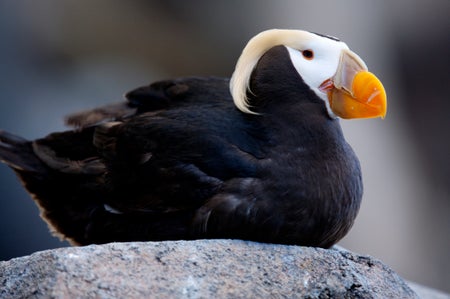
Mass Puffin Die-Off May Be Linked to Climate Change
Rising ocean temperatures and melting ice are disrupting the birds’ food sources
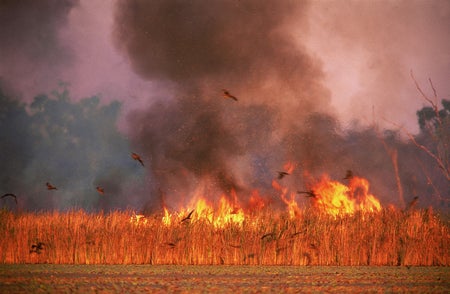
A Bit of Wildfire Isn’t Necessarily a Bad Thing
For some species it’s a threat, but for others it’s essential
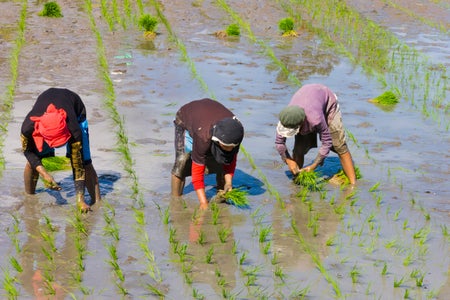
What Conservation Efforts Can Learn from Indigenous Communities
A major U.N.-backed report says that nature on indigenous peoples’ lands is degrading less quickly than in other areas
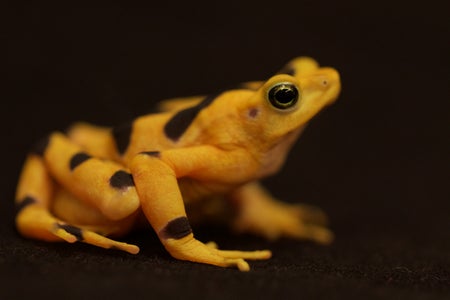
What Losing One Million Species Means for the Planet—and Humanity
A new UN report finds that at least 1 million species are at risk of extinction. Will this finally be enough to motivate worldwide action?
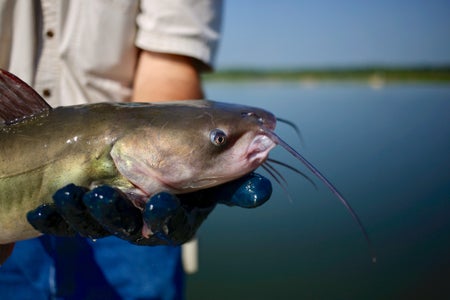
It’s Time to Be Honest about Seafood
If we want to eat sustainably, aquaculture has to be part of the conversation