
ConservationAugust 9, 2019
What Threatened Lions Can Teach Us about the Circle of Life
On World Lion Day, it’s good to remember that there’s a global connectedness between ecosystems and the biodiversity they support
What Threatened Lions Can Teach Us about the Circle of Life
On World Lion Day, it’s good to remember that there’s a global connectedness between ecosystems and the biodiversity they support
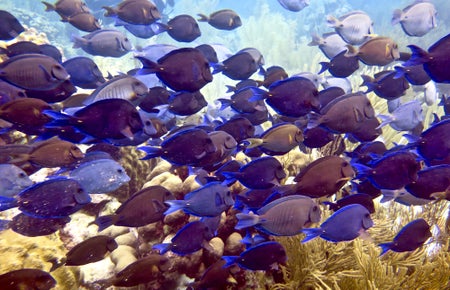
A Bulwark against Reef Destruction in a Warming World
The island of Bonaire, in the Caribbean Sea, has been protecting its corals for decades


Environmental Activists Have Higher Death Rates Than Some Soldiers
Killings of those protecting nature are highest in countries with corruption and weak rule of law
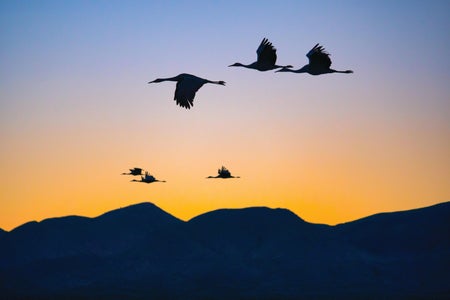
Birds Are Dying from Power-Line Collisions—Now There’s a Solution
Illuminating electric lines with ultraviolet light—which birds can see—can substantially reduce crashes
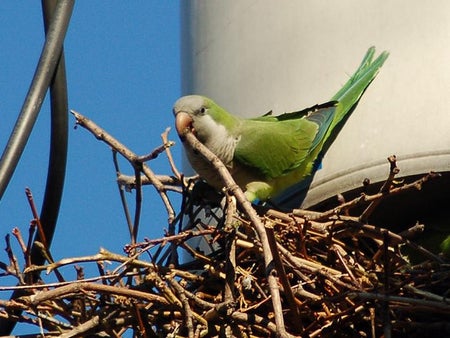
Parrots Are Making the U.S. Home
Released or escaped parrots are now living in most states and are breeding in at least 21. For some, it’s a second chance at survival.
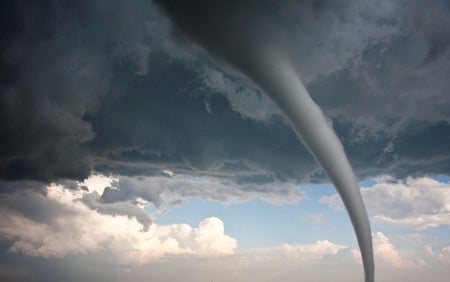
Science News Briefs from All Over
A few brief reports about international science and technology from Guatemala to Australia, including one about the first recorded tornado in Nepal.

Tourist Photographs Help African Wildlife Census
Photographs snapped by safari tourists are a surprisingly accurate way to assess populations of African carnivores. Christopher Intagliata reports.
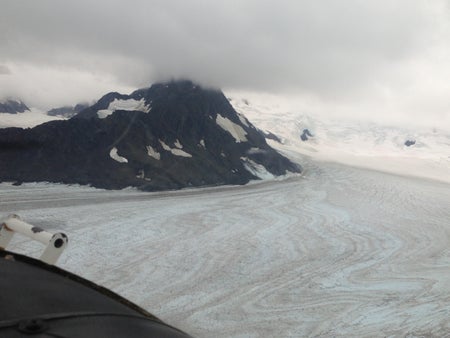
It’s Melting: Science on Ice
Glaciologist Elizabeth Case of the Lamont-Doherty Earth Observatory at Columbia University’s Earth Institute takes us out near Juneau, Alaska, to study and live on the shifting ice.
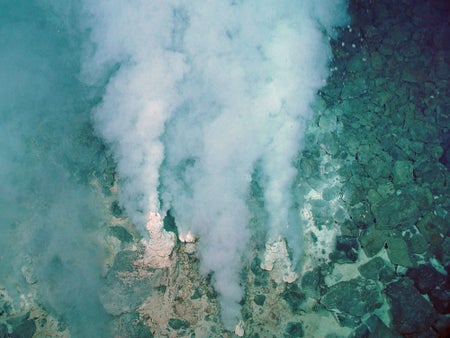
Seabed-Mining Foes Press U.N. to Weigh Climate Impacts
Minerals used in electronics are found on the seafloor, but disturbing them could release carbon
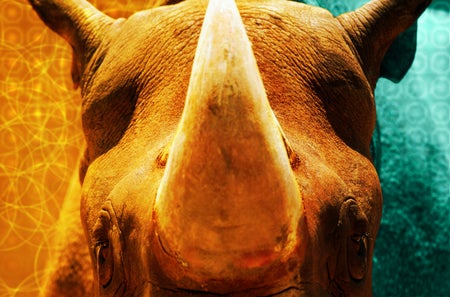
Rhinos and Their Gamekeepers Benefit From A.I.
Starting in 2017, an artificial intelligence monitoring system at the Welgevonden Game Reserve in South Africa has been helping to protect rhinos and their caretakers.

Rise of the Extinction Deniers
Just like climate deniers, they’re out to obfuscate and debase the scientists and conservationists trying to save the world—and maybe get rid of a few pesky species in the process
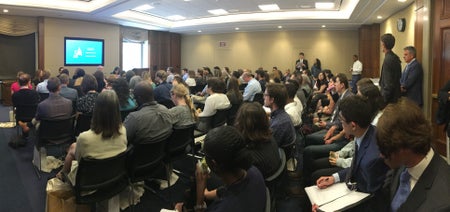
Solving Our Plastic Problem
At Scientific American's third Science on the Hill event, experts from academia and the private sector met at the Rayburn House Office Building on Capitol Hill to talk with Scientific American editor-in-chief Mariette DiChristina about solutions to our plethora-of-plastics problem.