CultureMay 1, 2020
Recommended Books, May 2020
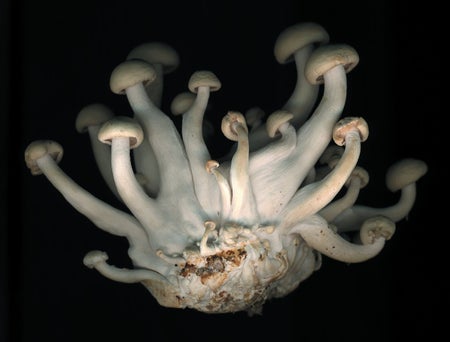
Mysterious mushrooms, AI for facial expressions, and other new science books
Recommended Books, May 2020
Mysterious mushrooms, AI for facial expressions, and other new science books

Our 3,000th Episode
Here are some “highlights” from the past 13.5 years of this podcast.

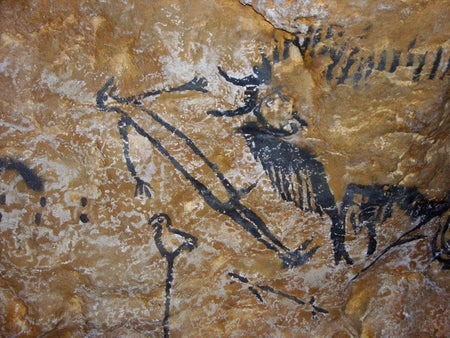
Signs of Modern Human Cognition Were Found in an Indonesian Cave
Painted images of intriguing human-animal hybrids are signs of modern thought
Your Brain Will Thank You for Being a Musician
Here are five reasons why

How Can You Tell If You Have Perfect Pitch?
Some famous musicians—from Mariah Carey to Jimi Hendrix—have a gift known as perfect pitch. What is it? Could you have it, too?

Recommended Books, April 2020
Bird’s-eye views of Earth, Civil War submarine mystery, and more
Color Photography Relies on Potato Starch
Originally published in July 1907

Science News Briefs from around the Planet
Here are a few brief reports about science and technology from around the planet, including one about the discovery of an intact chicken egg dating to Roman Britain.

The New Cosmos: A Conversation with Ann Druyan
Emmy and Peabody Award–winning science writer, producer and director Ann Druyan talks about Cosmos: Possible Worlds, the next installment of the Cosmos series.
Diving Suit Stops Workers from Playing Cards under Water
Originally published in April 1866
Fencing Competitions for Blind People Grow
Originally published in April 1916

Computers Confirm Beethoven’s Influence
By breaking 900 classical piano compositions into musical chunks, researchers could track Ludwig van Beethoven’s influence on the composers who followed him. Christopher Intagliata reports.