
FitnessMay 24, 2017
Chocolate Linked to Decreased Risk of Irregular Heart Rhythm
People who ate cocoa one to three times a month less likely to be diagnosed with atrial fibrillation
Chocolate Linked to Decreased Risk of Irregular Heart Rhythm
People who ate cocoa one to three times a month less likely to be diagnosed with atrial fibrillation

FDA Clears First Cancer Drug Based on Genetics of Disease, Not Tumor Location
Diseases with these traits occur throughout the body

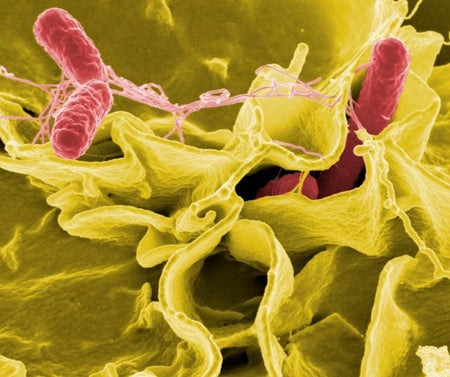
A Radical Approach against Superbugs: Learn to Live with Them
One physiologist wants us to stop worrying so much about fighting infections and instead help the body tolerate them

Causes and Treatment of Lower Back Pain
What do you do when you have back pain? In part 2 of our low back pain series, learn the more common causes and treatment of low back pain.

When Emergency Pediatric Surgery Is Anything but
Rushing to "fix" intersex infants can cause far more harm than good
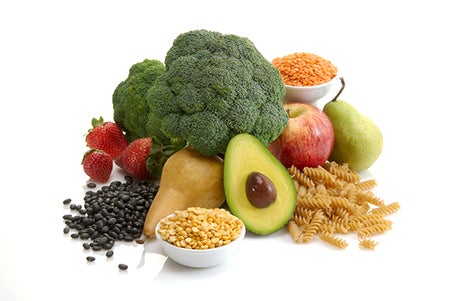
Can You Get Enough Fiber on a Low-Carb Diet?
Two different conditions with two conflicting dietary prescriptions. Nutrition Diva helps make sense of seemingly contradictory advice

Century-Old Tumors Offer Rare Cancer Clues
DNA sequences from 100-year-old tumor samples could bolster childhood cancer research

Using Wearable Fitness Devices to Monitor More Than Just Fitness
Makers of these gadgets should consider seeking creative ways to incorporate other measures of health and well-being into them
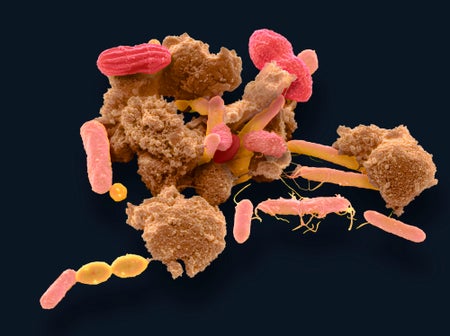
A Shot against Post-Traumatic Stress Disorder
Tweaking the gut microbiome may hold promise for fighting stress, anxiety

The Physics of Poop
Why it takes you and an elephant the same amount of time to defecate

Hot Chilies Cool Down Gut Inflammation in Mice
The spicy compound in chilies kicks off a chemical cascade that reduces gut inflammation and immune activity in mice. Christopher Intagliata reports.

Crave Sugar? Maybe It's in Your Genes
Specific genetic variants have been linked to the sweet tooth