NeuroscienceMay 25, 2021
Injection of Light-Sensitive Proteins Restores Blind Man’s Vision
The first successful clinical test of optogenetics lets a person see for the first time in decades, with help from image-enhancing goggles
Injection of Light-Sensitive Proteins Restores Blind Man’s Vision
The first successful clinical test of optogenetics lets a person see for the first time in decades, with help from image-enhancing goggles

Our Memory Is Even Better Than Experts Thought
In some respects, memory is poor. In others, it is astonishingly good

Autism and the Social Mind
Social-cognitive neuroscience offers insights into the early course of brain development and its connections to autism spectrum disorder

New Brain Implant Turns Visualized Letters into Text
The technology lets people with paralysis perform thought dictation at rates approaching the thumb speeds of texters

Adolescent Brains Are Wired to Want Status and Respect: That’s an Opportunity for Teachers and Parents
Advances in neuroscience and psychology could lead to real-world benefits in education and mental health
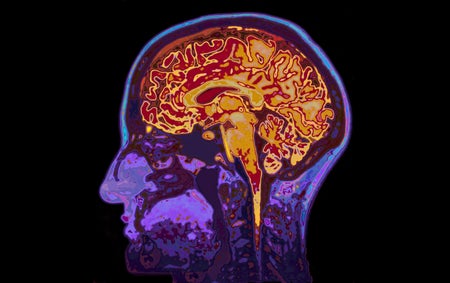
Forgotten Memories of Traumatic Events Get Some Backing from Brain-Imaging Studies
A new wave of research seeks neurological signatures for a type of amnesia
Forecast or Remember: The Brain Must Choose One
Trying to predict a situation impedes memory formation
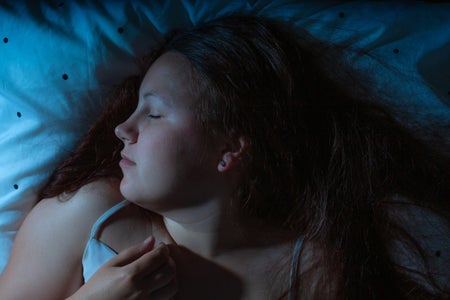
People Answer Scientists’ Queries in Real Time while Dreaming
Researchers demonstrate that during REM sleep, people can hear—and respond to—simple questions such as “What is eight minus six?”

Can Science Illuminate Our Inner Dark Matter?
Neither introspection nor brain scans can reveal our deepest thoughts
How the Brain Responds to Beauty
Scientists search for the neural basis of an enigmatic experience
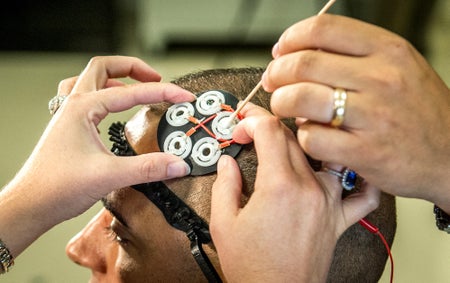
Electrical Brain Stimulation May Alleviate Obsessive-Compulsive Behaviors
Noninvasive electrical zaps, tuned specifically to individual brain-activity patterns, appear to reduce checking, hoarding and other compulsions for up to three months
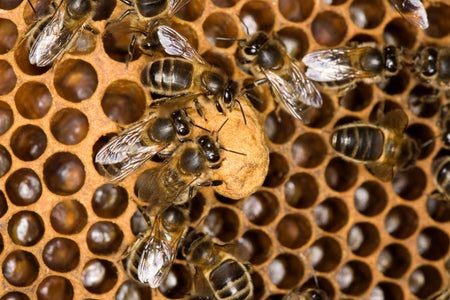
Baby Bees Deprive Caregivers of Sleep
Bee larvae and pupae appear to secrete a chemical that does the work of a late-night cup of coffee for their nurses.