TechnologyJune 6, 2026
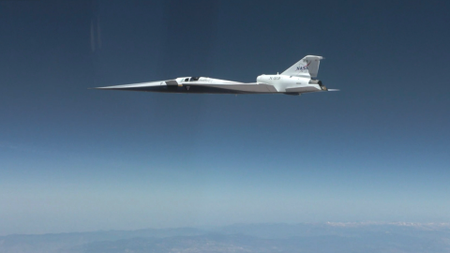
NASA’s X-59 plane goes supersonic for the first time
This experimental plane, which reached supersonic speeds yesterday, is designed to travel faster than the speed of sound without creating bothersome sonic booms
NASA’s X-59 plane goes supersonic for the first time
This experimental plane, which reached supersonic speeds yesterday, is designed to travel faster than the speed of sound without creating bothersome sonic booms

Anthropic warns AI could soon start improving itself. Critics aren’t convinced
The maker of Claude wants AI labs, including itself, to prepare for a coordinated slowdown if models begin building their own successors

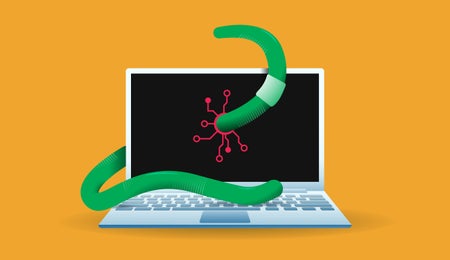
Scientists just built a powerful AI computer worm that learns as it spreads
This prototype could help the world prepare for AI malware threats, according to the researchers who made it
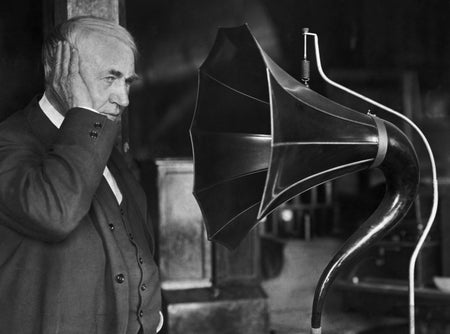
Edison may not have been the first to record the human voice, new evidence suggests
Could a predecessor to the phonograph have appeared a century earlier?

U.S. science must innovate or die, National Academy of Sciences president says
The past year has been “filled with turmoil” for science, National Academy of Sciences president Marcia McNutt said during her State of the Science address
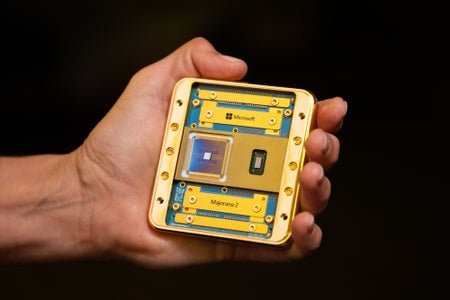
Microsoft’s new quantum computer chip has a fundamental problem
Microsoft’s announcement of a new quantum computing breakthrough with its Majorana 2 chip continues a trend of bold claims followed by scant evidence

Trump’s new AI executive order drastically shifts the administration’s stance on the tech
This order asks artificial intelligence companies to give the U.S. government up to 30 days to assess frontier models before they are released

New protein-folding AI predicts the structures of 1 billion proteins
The new open-source atlas, generated by an AI tool called ESMFold2, vastly increases the known protein universe
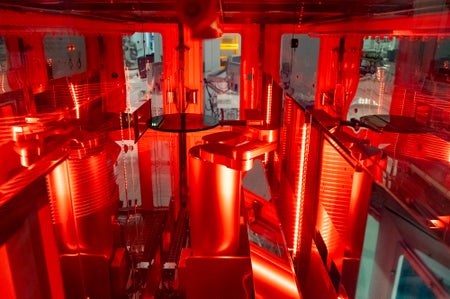
The AI boom has a memory problem
High-bandwidth memory keeps powerful AI chips fed with data, and demand for it helped Boise, Idaho–based Micron briefly top $1 trillion in market value

What our phones, playlists and AI companions reveal about being human
A new look at how everything from handwriting to AI quietly reshapes our bodies, habits and sense of connection
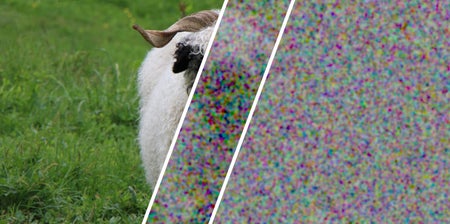
A quantum computing system’s perfect randomness could keep your secrets safe
Generating and confirming the randomness of qubits could lead to breakthroughs in computer data encryption

Tiny quantum computers could lead to supersized telescopes
Advances in quantum technology might allow astronomers to circumvent age-old issues that limit the size of optical observatories