
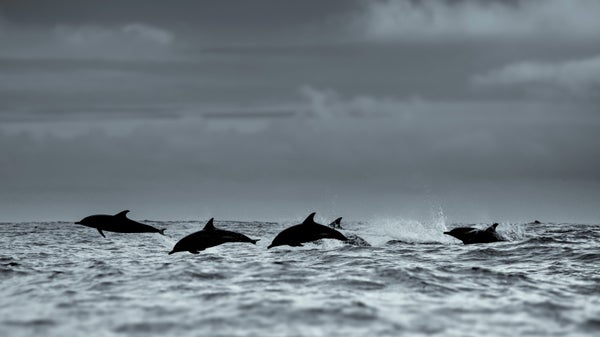
A dolphin murder mystery is playing out on the shores of South America’s Patagonia region: multiple mass strandings have seen scores of dolphins washing up for no easily discernable reason. In one such event in 2021, for example, 52 common dolphins turned up dead in San Antonio Bay, off the coast of the province Río Negro in Argentina—but aside from being dead, the animals appeared to have been in good health, with no apparent wounds or signs of disease. Then, about a year and a half later, hundreds more dolphins stranded in shallow waters in the same area, although, luckily, no deaths were reported.
The reason why was a mystery. But now researchers have identified compelling suspects: killer whales. In a new study published in the journal Royal Society Open Science, researchers show how in both cases, the presence of killer whales nearby may have spooked the dolphins, causing them to flee into San Antonio Bay’s perilous shallow waters.
Dolphin stranding may be triggered by myriad issues, from changing tides to prey behavior—but the study provides “novel evidence” that predators may play a role, too, the authors write.
On supporting science journalism
If you're enjoying this article, consider supporting our award-winning journalism by subscribing. By purchasing a subscription you are helping to ensure the future of impactful stories about the discoveries and ideas shaping our world today.
“This study provides, for the first time, evidence supporting the hypothesis that such coastal incursions may be triggered by stress induced by predator presence, specifically killer whales in the area,” the authors write. Orcas—technically dolphins themselves—are known to hunt smaller species of dolphins. (There is evidence that some killer whales team up with other dolphins to hunt, too.)
To come to their finding, the researchers relied on interviews with local residents and fishers, as well as video footage, to piece together the timeline of events leading up to the mass strandings. “In both events, dolphins exhibited atypical inshore movements, high cohesion and disorientation shortly before killer whales were sighted,” the authors write.
The results could help explain mystery mass stranding events at other known hotspots, such as New Zealand, Australia and Massachusetts, which have similar geographies.