
Maxims typically date back many years, but “feed a cold, starve a fever” may beat them all. This saying has been traced to a 1574 dictionary by John Withals, which noted that “fasting is a great remedy of fever.” The belief is that eating food may help the body generate warmth during a “cold” and that avoiding food may help it cool down when overheated.
But recent medical science says the old saw is wrong. It should be “feed a cold, feed a fever.”
On supporting science journalism
If you're enjoying this article, consider supporting our award-winning journalism by subscribing. By purchasing a subscription you are helping to ensure the future of impactful stories about the discoveries and ideas shaping our world today.
Let’s take colds first. When your body fights an illness it needs energy, so eating healthy food is helpful. Eating can also help the body generate heat—although wearing an extra layer of clothes or slipping into bed can keep you warm, too. There’s no need to overeat, however. The body is quick to turn recently digested food into energy, and it’s also efficient at converting stored energy in fat.
The reasons to eat for fever are more interesting. Fever is part of the immune system’s attempt to beat the bugs. It raises body temperature, which increases metabolism and results in more calories burned; for each degree of temperature rise, the energy demand increases further. So taking in calories becomes important.
Even more crucial is drinking. Fever dehydrates your system, in part through increased sweating from that elevated temperature. Replacing fluids is therefore critical to helping the body battle the infection. The same is true for combating colds. “You have to make yourself drink fluids, even though all you want to do is collapse,” says William Schaffner, chair of the Department of Preventive Medicine at Vanderbilt University School of Medicine.
Dehydration also makes mucus in the nose, throat and lungs dry up, which can then clog sinuses and respiratory tubes. When mucus hardens it becomes more difficult to cough, Schaffner notes, which is our way of trying to expel mucus and the germs it contains. Staying hydrated helps keep the mucus running, which, even though it may be disgusting, is one of our natural defenses.
The challenge, of course, is that when you’re sick you may not feel much like drinking and even less like eating. Loss of appetite is common, and might be part of the body’s attempt to focus its energy on pounding the pathogens. Given the wisdom noted above, Schaffner says, don’t force yourself to eat if you don't feel like it. “But drink,” he adds. “It’s the liquids that are important.” Avoid caffeine and alcohol. Caffeine enhances dehydration. So does alcohol, and it is also a depressant, holding us down.
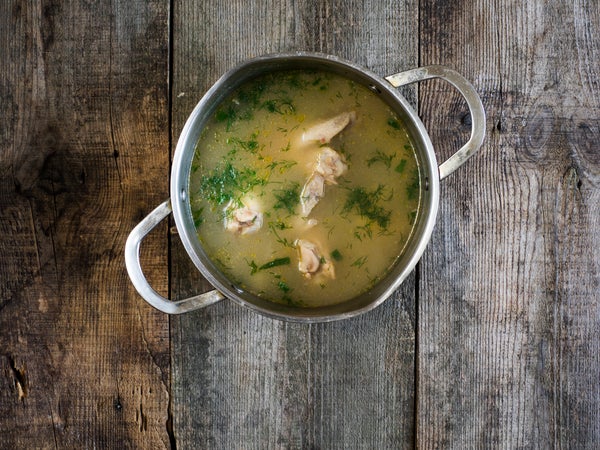
What about some other common conceptions for beating colds and fevers, such as eating chicken soup? Chicken soup doesn’t possess any magic ingredients, but it has calories as well as the all-important liquids again. The warm vapor rising from the bowl can also moisten and loosen dried mucus. The same goes for vapor from hot tea, with or without lemon or honey. Taking a hot shower can soften mucus, too—and if you dare, you can get rid of it by gently blowing your nose one nostril at a time while you’re in there.
Supplements are dubious at best. The data from studies about taking vitamin C are inconclusive, as they are for zinc. Solid studies of echinacea show no benefit. If there’s any positive effect at all from any of these compounds, it is very small, Schaffner concludes.
Over-the-counter remedies may or may not help, but that’s a whole ‘nother story. They can relieve symptoms but they do not kill off viruses or bacteria. Cold and fever germs usually run their course, and the immune system eventually gets the upper hand. In the meantime, drink drink drink. And sleep as much as you can, to give your body the rest it needs to fight the good fight.