New Issue: Science’s Impossible Questions. Read Now

House passes stopgap bill that pauses changes to federal science grant-making process

The proposed changes, which would have given control of science funding to appointed bureaucrats, were criticized widely by the scientific community

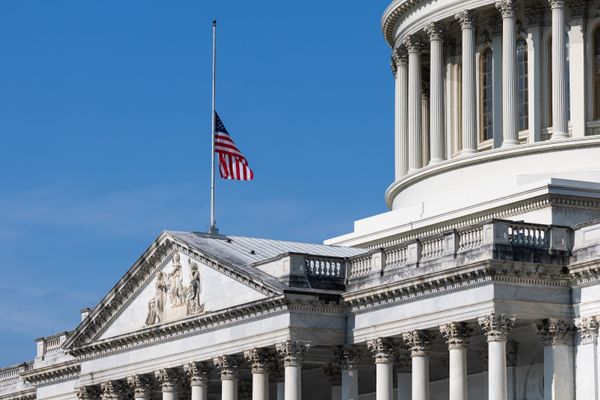
The U.S. Capitol building.

The U.S. Capitol Building.

Finn Gomez/Getty Images

Join Our Community of Science Lovers!

A Trump administration effort to give political figures control over a large swath of U.S. science funding is off the table until at least December.

On Tuesday members of the House of Representatives voted 370-48, with 14 members not voting, to adopt a Senate appropriations bill that will continue funding federal agencies until December 11.

In August, as part of the stopgap measure, the Senate agreed not to adopt proposed rule changes from the Office of Budget Management that would give politically appointed bureaucrats authority over federal research grants. If implemented, these changes would break from the current system, in which independent panels of peer reviewers, experts in the field, assess grant requests for funding from the National Institutes of Health, the National Science Foundation and other governmental agencies.


On supporting science journalism

If you're enjoying this article, consider supporting our award-winning journalism by subscribing. By purchasing a subscription you are helping to ensure the future of impactful stories about the discoveries and ideas shaping our world today.


The proposed rule changes have met an outpouring of opposition from the scientific community. Thousands of researchers, including several Nobel laureates, used the public comment period on the proposal to say it would politicize research and destroy U.S. leadership in global science.

The question of whether the proposed rule changes will go further could hinge largely on the outcome of the midterm elections, which will be held in November: Democrats, who are currently favored to win control of the House, have broadly opposed the changes.

Subscribe to Support Independent Journalism

Great science journalism requires human expertise, time, effort and creativity. And it costs money. That’s why I and the journalists here at Scientific American hope you’ll join our community.

When you subscribe, you are supporting staff and freelance journalists who are passionate about telling science stories that are true, important and compelling. Our editors and reporters are often experts in their fields, which means they understand the nuances of big discoveries and can untangle the breakthroughs from the hype. With a subscription, you are also supporting rigorous fact-checking to ensure the words we publish are precise and accurate. And you’re supporting original illustrations, graphics and photos that bring you closer to an advanced laboratory, an ice sheet in Antarctica or a space mission in orbit. You’re helping us craft other types of high-quality journalism as well: Our newsletters are carefully written, edited and curated by staffers you have or will come to know and love. Our Science Quickly podcast is based on original reporting, collaboration with editors and scientists and exacting production.

Subscriptions keep this engine running so we can continue to deliver thoughtful, rigorous and independent science journalism to you. In an era of viral misinformation, this work is crucial. If you value what we do, I hope you’ll consider joining us as a subscriber

Thank you,

Jeanna Bryner, Editor in Chief, Scientific American

Subscribe