
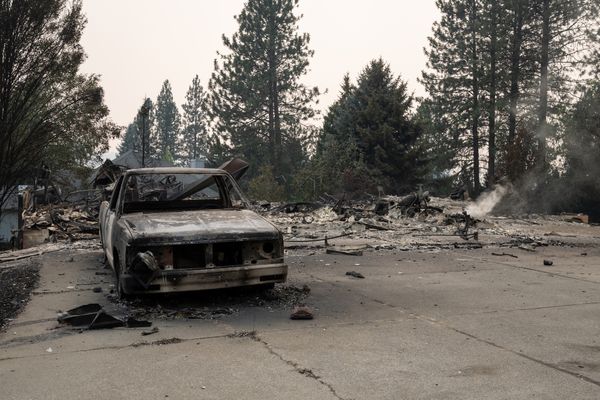
Spokane, Wash., saw the worst wildfires in the state’s history this weekend, bringing Washington State’s total wildfire destruction to about 450,000 acres this summer. Though large fires have historically been a largely western U.S. story, heat waves and droughts are on the rise across the country, which means large urban conflagrations are a much more widespread worry.
Erica Smithwick, a climate scientist at Pennsylvania State University, says every wildfire needs ignition, or a source, fuel and dry conditions to spread—and more and more places are fitting the bill as the climate changes because of the burning of fossil fuels.
“In Spokane, you have people living in fire-prone forests, putting them at more risk of these fire events,” she says. “But these are the kinds of conditions that we’re thinking about for the future in the eastern United States—something that wasn’t on our radar even as fire scientists for the past few decades.”
On supporting science journalism
If you're enjoying this article, consider supporting our award-winning journalism by subscribing. By purchasing a subscription you are helping to ensure the future of impactful stories about the discoveries and ideas shaping our world today.
The fires in Spokane, a group of three separate blazes collectively called the Spokane Complex Fires, began last Saturday. The flames have scorched more than 7,700 acres, destroyed more than 700 structures and forced nearly 65,000 people out of their homes—and they’re still raging. As of Monday morning, the fires were 0 percent contained, meaning firefighters had not been able to establish a perimeter to prevent the blazes’ advance.
The cause of the fires is still under investigation, but the gusty winds, dry air and high temperatures allowed them to spread at unprecedented rates for the area. Before the fires started, these conditions prompted the National Weather Service to issue a “red flag” warning, including the area’s first-ever “particularly dangerous situation” tag, says a NWS representative. The NWS adds that it anticipates high temperatures but lower winds as the week continues, with the worst of the damage from the fires likely already being done.
Though wildfires are often associated with the West Coast’s dry summers, climate change is putting more and more places at risk of wildfires as increasingly hot air sucks moisture from forests. One 2024 study found that extreme wildfires happen twice as often now as they did two decades ago. Wildfires in recent years in New Jersey, Tennessee and Maui—all places with historically low risks of wildfires—offer examples of this devastating impact. Regions such as the Northern Plains and Upper Midwest are also at increasingly higher risk for fire events as they see more “flash droughts,” phenomena in which landscapes become very dry, very quickly. And as climate change worsens, one in three U.S. residents and buildings face wildfire risks, according to a 2024 government analysis.
Studies that look for the fingerprints of climate change in extreme events have shown that other wildfires burned more area than they would have without Earth’s rising temperatures and that the weather that fuels the flames has become more likely.
“[Wildfires] are burning with much different fire behaviors and burning much larger areas, and they’re burning almost year-round,” Smithwick says. “Anywhere can burn under the right conditions, and unfortunately all of those conditions are changing.”