
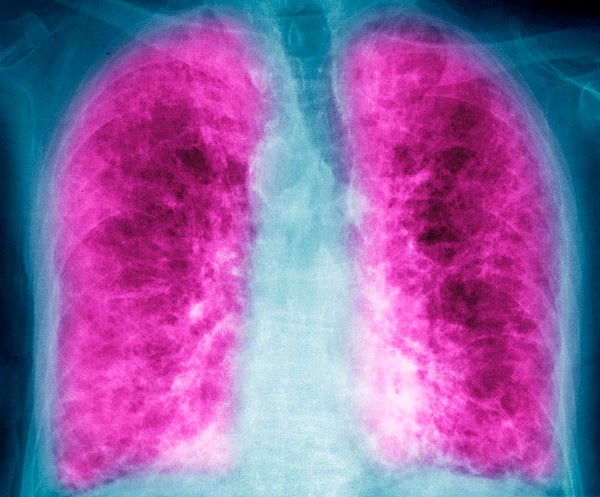
Pulmonary fibrosis (PF) is an uncommon and frequently fatal lung disease, and the road to diagnosis can be long and difficult. No one is certain how many people are affected by PF. Research estimates that idiopathic pulmonary fibrosis (IPF), which is just one of more than 200 types, affects one out of 200 adults over the age of 70 in the United States. That translates to more than 200,000 people living with IPF today. Approximately 50,000 new cases are diagnosed annually, and as many as 40,000 Americans die from IPF each year.
There are many factors that make this disease difficult for both patients and providers. Not only is there a protracted time to diagnosis (and sometimes misdiagnosis), but patients also experience debilitating symptoms. Unlike diabetes, heart disease or cancer, where awareness is high and medical terminology is easy to access, PF is a condition that most people haven’t heard of until they are given the diagnosis. In fact, nearly nine in 10 Americans do not know the symptoms of PF, according to a recent survey by the Pulmonary Fibrosis Foundation (PFF). Seeking out expertise where it exists is critically important to the earlier diagnosis and management of this patient population.
The 200-plus different lung conditions that qualify as PF all look very much alike. In its simplest sense, pulmonary fibrosis literally means scarring in the lungs: the word “pulmonary” means lung and the word “fibrosis” means scar tissue. When you have a process that leads to scarring or inflammation of the lung, over time, the scar tissue can destroy the normal lung, making it difficult for oxygen to pass easily into the bloodstream. The lungs become stiff, making it challenging for patients to take a deep breath.
On supporting science journalism
If you're enjoying this article, consider supporting our award-winning journalism by subscribing. By purchasing a subscription you are helping to ensure the future of impactful stories about the discoveries and ideas shaping our world today.
Some known causes of PF are aging (those over the age of 60), cigarette smoking (both current and past smokers) and genetics. We also know that as part of the systemic disease process, patients can develop PF alongside an autoimmune condition like rheumatoid arthritis or scleroderma. There are also environmental causes, such as exposure to mold or animal proteins (especially from indoor or caged birds), which lead to a disease called hypersensitivity pneumonitis (HP). Other causes include certain medications, such as chemotherapy and amiodarone, which can sometimes lead to drug toxicity and PF. On the other hand, there are many suffering from these diseases whose cases cannot be attributed to a specific cause—the definition of “idiopathic.” However, all of these diseases share one unifying feature: inflammation and scarring of the lungs.
PINPOINTING PF
The symptoms of PF make this disease difficult to diagnose as they are nonspecific. Symptoms can range from being asymptomatic to having a chronic dry cough, shortness of breath and/or fatigue. Because symptoms are similar to other illnesses, like the common cold, or may appear mild or absent early on, many patients are not diagnosed until the disease progresses to its later stages. That is why a precise and early diagnosis is crucial.
There are a few tests we use to determine if a patient has PF. Doctors will look for low oxygen levels, “crackles” in the lungs (which sound like Velcro being pulled apart) or clubbing of the fingers. In addition, high-resolution computed tomography (HRCT) tests have changed the way we diagnose patients with PF. HRCT scans give a close-up view of the lungs, providing more detail than routine CT scans. Many forms of PF look similar on a CT scan to the untrained eye, but subtle findings on HRCT scans are critically important when trying to identify which type of PF a patient might have. Through a lot of research, we are able to diagnose the type of PF by combining the clinical history and appearance on an HRCT scan in up to 50 percent of cases. A doctor may also perform a lung biopsy, which can help determine the type of PF and which treatments might be effective.
WHY PF IS A PROBLEM
After diagnosis, PF significantly affects the quality of life for patients, who may become breathless while taking part in everyday activities, such as showering, getting dressed, speaking on the phone or even eating. Patients need to think ahead, analyzing every single activity they plan to take, and rethink social participation, since a chronic cough might prevent them from taking part in conversations. Many also become dependent on a caregiver along with a wider support network. All of these things can be very challenging for someone living with PF.
PF, in short, is a serious, life-limiting illness. While the average survival rate for certain forms of PF is only three to five years, the earlier diagnosis and better treatments now available allow many people live much longer. Fortunately, we have a number of ways to treat PF, including oxygen therapy, pulmonary rehabilitation, the use of medications and even lung transplantation. In 2014, the FDA approved two medications for IPF: nintedanib and pirfenidone. That was a huge success for our community, but it’s only the beginning of what we need to be doing for our patients.
LOOKING AHEAD
This year holds much promise with advancements in research and clinical trials. The research community is aggressively investigating new therapeutics for all forms of PF. For example, PRECISIONS, an NIH-supported study, is looking at genetic risk factors and responses to therapy, applying the principles of precision medicine to the treatment of IPF patients.
Now more than ever, there are many opportunities for patients to participate in clinical trials, and the PFF plays a key role in supporting those trials. We also have the PFF Registry that allows patients to participate in a very positive way to help accelerate research efforts. With patient participation and collaboration with various funding agencies and investigators, we will continue to make advancements for patients with PF.
My hope is that by spreading useful information and providing helpful resources, the visibility of PF will continue to grow, leading to improved early detection and quality of life. We’re looking forward to patients living longer and better lives with this condition.