
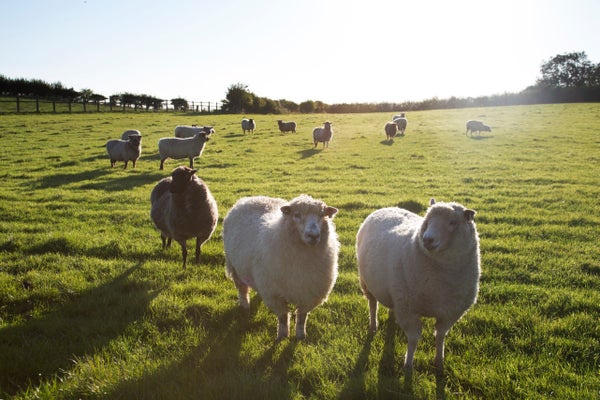
The H5N1 bird flu virus has been found in a single sheep in England. This is the first time the virus has been detected in sheep, scientists say, expanding the list of animals that it can infect. Agricultural authorities say no other sheep were infected, and the risk to people remains low. But scientists added that the appearance of the virus in another species has underscored the need for caution.
What Happened
On March 24 the U.K.’s Department for Environment, Food & Rural Affairs and its Animal and Plant Health Agency announced that bird flu had been detected in a single sheep in Yorkshire, England. The sheep was in an area where the virus had been confirmed in captive birds, so testing was already going on. According to the announcement, the single sheep was culled to prevent further spread and to permit more extensive testing of the animal.
On supporting science journalism
If you're enjoying this article, consider supporting our award-winning journalism by subscribing. By purchasing a subscription you are helping to ensure the future of impactful stories about the discoveries and ideas shaping our world today.
What This Means
Discovery of H5N1 in a sheep enlarges the list of nonbird animals now known to be susceptible to the virus. In the U.S. that list includes cows, pigs, domestic and wild cats, coyotes, bears, rodents, raccoons, opossums and marine mammals. Seventy people in the U.S. have also been infected, according to the Centers for Disease Control and Prevention, and one of them died. Although the risk to humans remains low, and person-to-person transmission is not known to have happened, the virus’s ability to infect different kinds of animals highlights that the microbe can evolve and adapt to infect new hosts, scientists say. As it spreads, it warrants careful and continued scrutiny, officials say.
What Experts Are Saying
“Current evidence suggests that the avian influenza viruses we’re seeing circulating around the world do not spread easily to people—and the risk of avian flu to the general public remains very low,” said Meera Chand, emerging infection lead at the U.K. Health Security Agency, in Monday’s announcement. Chand also said, however, that “globally, we continue to see that mammals can be infected with avian influenza” and that health agencies will continue to search for human infections.