AerospaceNovember 8, 2017
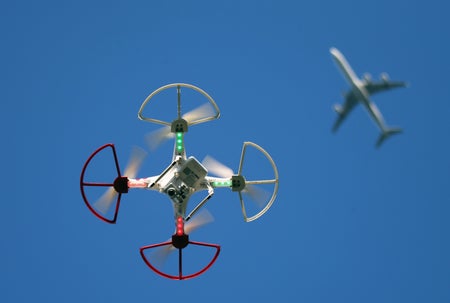
Here’s How Drones Do (and Don’t) Threaten Passenger Aircraft
Quadcopter crashes with a helicopter and plane—the first-ever in the U.S. and Canada, respectively—show that such encounters are no longer hypothetical
Jeremy Hsu is a New York City–based writer who has contributed to publications such as Scientific American, IEEE Spectrum, Undark Magazine and Wired.
Here’s How Drones Do (and Don’t) Threaten Passenger Aircraft
Quadcopter crashes with a helicopter and plane—the first-ever in the U.S. and Canada, respectively—show that such encounters are no longer hypothetical
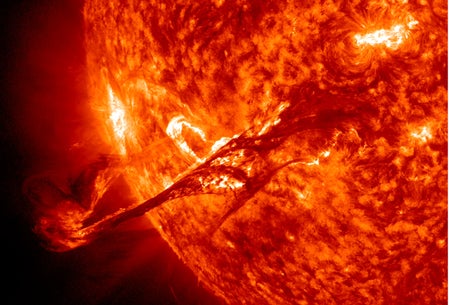
Future Solar Storms Could Cause Devastating Damage
A new model suggests a major such event in 150 years could equal the current U.S. GDP
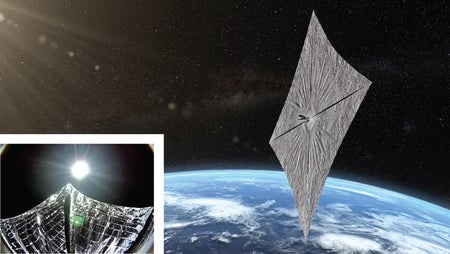
Solar-Sail Technology Gets Its Day in the Sun
The privately funded LightSail 2 spacecraft will make a test flight in Earth orbit

Can a Crowdsourced AI Medical Diagnosis App Outperform Your Doctor?
The Human Dx platform aims to improve the accuracy of individual physicians
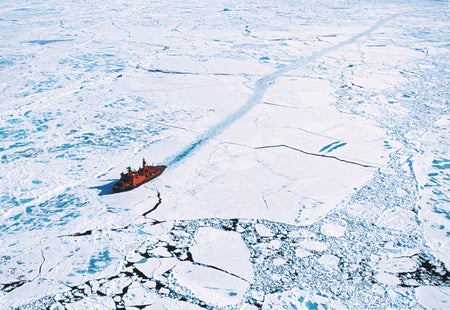
U.S. Icebreaker Fleet Is Overdue for an Upgrade
The Coast Guard is testing models for new ships it hopes to begin building in 2020

Will Tesla’s Tiles Finally Give Solar Shingles Their Day in the Sun?
Elon Musk bets homeowners will pay a premium for resilient panels that look like an ordinary roof

The Hard Truth about the Rhino Horn “Aphrodisiac” Market
Media coverage hyping the supposed use of rhino horn to pump up sex drive does no favors for conservation efforts

NASA Technology Fights Flight Delays
A new air traffic control system could ensure that you spend less time flying the crowded skies
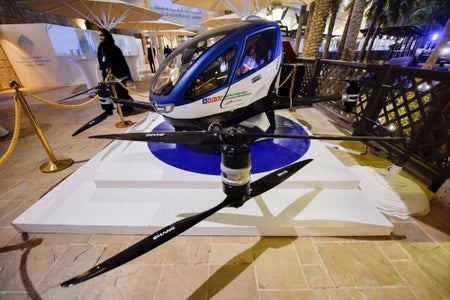
Forget Flying Cars: Passenger Drones May Be Hovering Soon at a Location Near You
Self-piloting quadcopters make more sense than an airplane–automobile hybrid—but safety and logistics problems remain
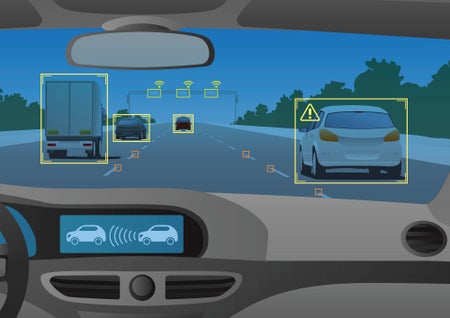
When It Comes to Safety, Autonomous Cars Are Still "Teen Drivers"
Automakers ask drivers to trust and share the nation’s roadways with autonomous vehicles, but there is no easy answer as to when they will be considered ”safe”

NASA Plans to Build a Gigantic Space Telescope from 2 Tiny CubeSats
The distance between the satellites would serve as the telescope’s focal length

The U.S.'s First Offshore Wind Farm Is Scheduled to Open This Month
It is a surprise (and frustration) to many that the facilities have not cropped up sooner
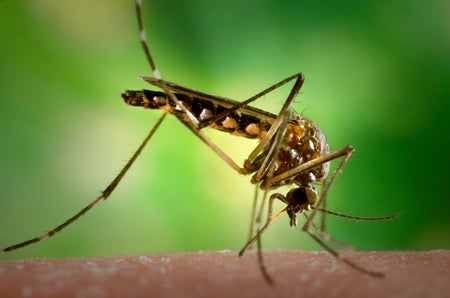
Mosquitoes Will Save Us All ... from Mosquitoes
Scientists are turning the infectious bloodsuckers into allies in the global war on disease
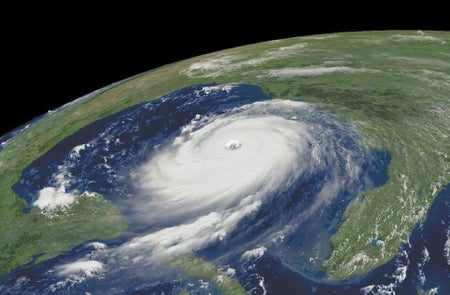
The U.S. Is About to Get Much Better Weather Satellites
They will provide four times better image resolution and five times faster coverage

Could Medical Cannabis Break the Painkiller Epidemic?
A body of research suggests yes, but scientists are having to fight red tape to study whether medical marijuana could substitute for opioid drugs
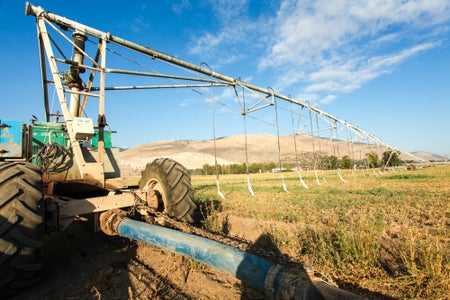
Rise of the Ag-Bots Will Not Sow Seeds of Unemployment
As farm robots take on backbreaking or dangerous work, more humans will have to boss them around

LEGO-Like Smartphones Slowly Snapping into Place
Google, LG and others are experimenting with gadgets that come with swappable cameras and sensors and could hit the market next year
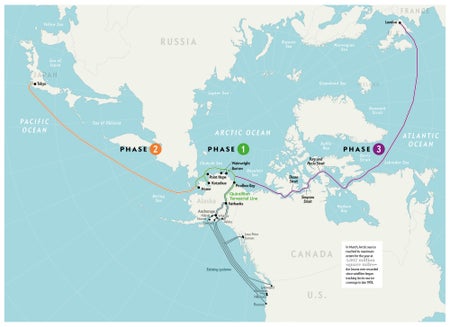
An Internet Cable Will Soon Cross the Arctic Circle
The underwater fiber-optic cable would trace the shortest path between Europe and Asia
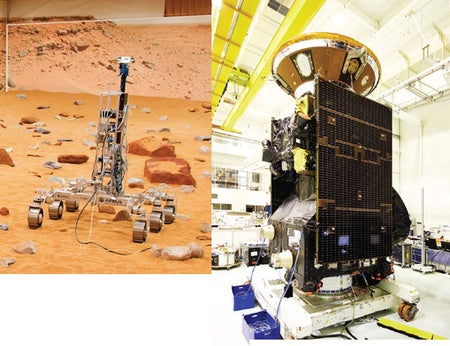
The European Space Agency Launches a Hugely Ambitious Mission to Mars This Month
Part one of the ExoMars program—an orbiter and lander—will clear the way for a rover mission in 2018
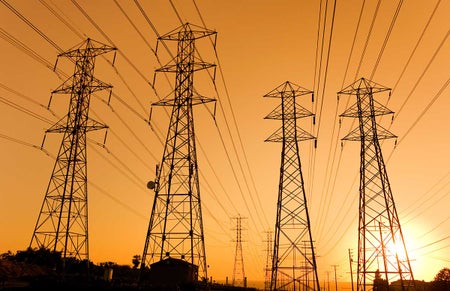
How a Supreme Court Decision Affects Your Electricity Bill
A 6-2 ruling upholds a regulation that requires utilities to pay more to customers who conserve power during times of peak demand
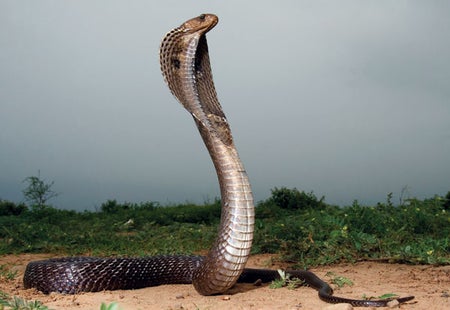
Snakebite Antivenom Development Is Stuck in the 19th Century--What's Next?
Doctors Without Borders now describes snakebites as “one of the world’s most neglected public health emergencies”
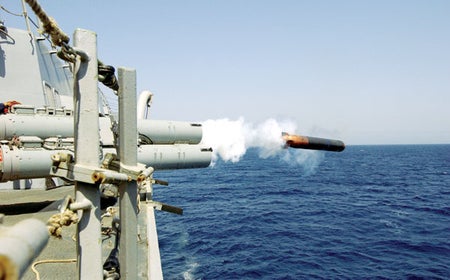
NASA Eyes Torpedo Tech as an Alternative to Nuclear Batteries
The U.S.’s measly stockpile of plutonium is barely adequate for missions planned for the next decade
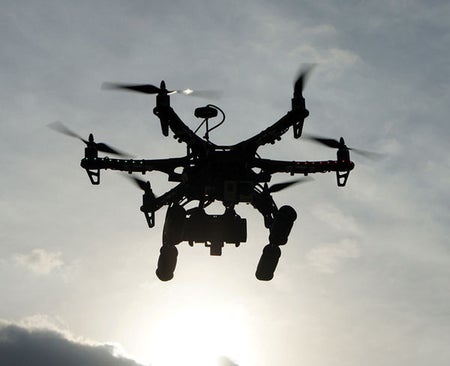
How to Stop People from Flying Drones into Airplanes
The risk of collisions is on the rise as more civilians buy multicopters
Future “Top Guns” Will Be Battle Managers Flying Bigger, Slower Aircraft
A report predicts fighter jocks may not need speedy, agile jet fighters because they could rely on long-range sensors, smart missiles and swarms of smart robotic machines to attack from afar