
HealthJanuary 1, 2016
What's the Biggest Science News? We're Still Human, for Ill or Good
In spite of countless prophesies that science is about to transform our bodies and minds, we humans remain stubbornly resistant to change
John Horgan is a freelance journalist and a former Scientific American staff writer. He comments on science in his free online journal, Cross-Check, and he has also posted his self-published books Mind-Body Problems (2018) and My Quantum Experiment (2023) online. Horgan teaches science writing at the Stevens Institute of Technology.
What's the Biggest Science News? We're Still Human, for Ill or Good
In spite of countless prophesies that science is about to transform our bodies and minds, we humans remain stubbornly resistant to change

Ten Most Amazing Science(ish) Stories of 2015!
In a desperate attempt to boost end-of-year page-views, a blogger lists his favorite posts of the year, which explore meditation, "electro-cures," Thomas Kuhn, war and other topics.
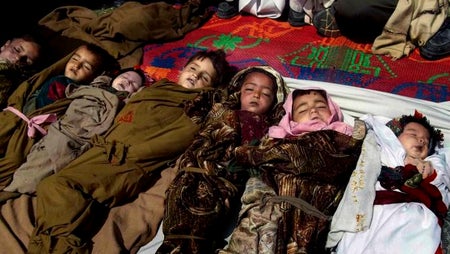
Trump's Muslim-Bashing and Hillary Clinton's Hypocrisy
Clinton has accused Trump of aiding ISIS recruitment, but she has also contributed to the problem of Muslim militancy.

Why a Science Writer Celebrates Winter Solstice
In the darkest time of year, religious rituals can help even non-believers see that life is a miracle.
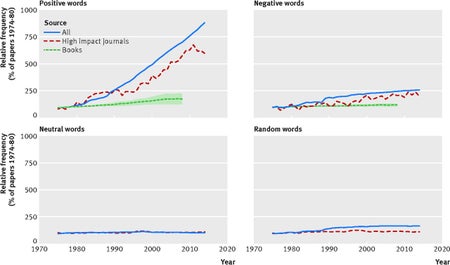
Study Reveals Amazing Surge in Scientific Hype
Scientists are touting their research far more aggressively than they once did, according to a new study.
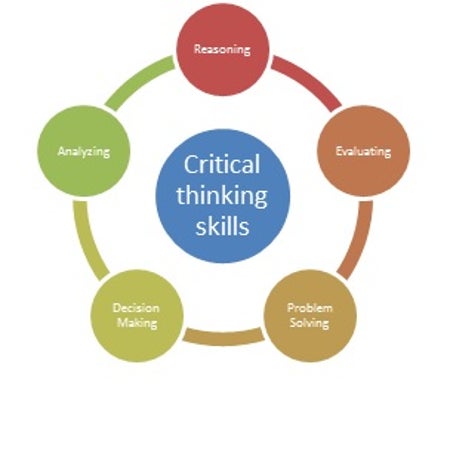
When Teaching Critical Thinking Backfires
Students taught to doubt scientists and other authorities may end up doubting their teachers.

Questioning Mammograms Versus "Torturing the Data"
Another major study raises questions about the efficacy of mammography.

Consciousness and "Crazyism": Responses to Critique of Integrated Information Theory
Readers react to a critique of a radical new theory of consciousness.

California Shootings Expose Need for More Gun Control, Not Counterterrorism
The ubiquity of guns poses a much greater threat to Americans than terrorism

Can Integrated Information Theory Explain Consciousness?
A radical new solution to the mind–body problem poses problems of its own

Is Lawrence Krauss a Physicist, or Just a Bad Philosopher?
Physicist Lawrence Krauss, who disparages philosophy, acted like a bad philosopher in a recent debate.

How Should the U.S. Respond to Terror?
By responding violently to terror attacks, the U.S. and its allies may exacerbate the problem they are trying to solve.
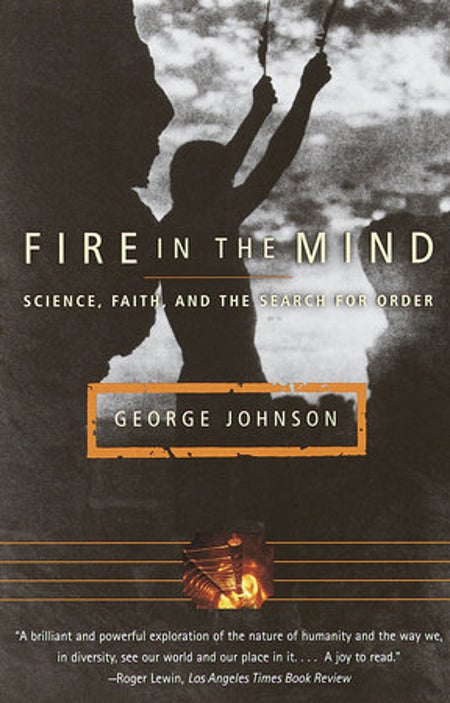
When Naïve Realism Collides with Postmodernism
A scientific realist defends his faith against Fire in the Mind, a classic work of postmodern science journalism.

Stephen Jay Gould on Marx, Kuhn and Punk Meek
Paleontologist Stephen Jay Gould was influenced by Marx and Kuhn as well as by Darwin.

The Gould Effect: When a Science Journalist Dislikes a Scientist
If a journalist finds a scientist annnoying, that can complicate his assessment of the scientist's work.

When Science Gets Personal
Is it wrong for personal relationships to affect scientific judgments?
When Mammograms Are Mandatory
As evidence mounts against mammograms, Uruguay still requires women to be screened.

Do Mammograms Kill More Women Than They Save?
A British breast-cancer specialist argues that mammograms may shorten more lives than they extend.
Can We Improve Predictions? Q&A with Philip "Superforecasting" Tetlock
Social psychologist Philip Tetlock answers questions about his new book Superforecasting: The Art and Science of Prediction.

Climate Change: Facts Versus Opinions
When it comes to climate change, can "facts" be distinguished from "opinions"?

"John Horgan Carrying Stephen Hawking in His Arms." A Poem
A poet describes journalist John Horgan's encounter with Stephen Hawking.

Pope Francis, Jimmy Carter and the "Greatest Threat to Peace"
Pope Francis and Jimmy Carter view the arms industry and U.S. hawkishness as major impediments to peace.

Silicon Valley and "Disruptive" War Research
The Pentagon hopes to generate more "disruptive" weapons technologies by pursuing closer ties with researchers in Silicon Valley and elsewhere

Where Is Outcry Over Children Killed by U.S.-Led Forces?
There can be no justification for the killing of children by U.S.-led forces in Syria, Iraq and other war zones since 9/11.