
EngineeringJuly 28, 2017
Robots, Start Your Engines!
Roborace is creating a new motorsport to accelerate the arrival of self-driving cars
Larry Greenemeier is the associate editor of technology for Scientific American, covering a variety of tech-related topics, including biotech, computers, military tech, nanotech and robots.
Robots, Start Your Engines!
Roborace is creating a new motorsport to accelerate the arrival of self-driving cars

Attention Passengers: Your Flight Will Arrive 20 Years behind Schedule
Robopocalypse creator Daniel Wilson sets aside his dystopian tendencies to help the XPRIZE’s Sci-fi collection and writing contest find a silver lining in our obsession with intelligent assistants

North Korea Missile Test: Best Response May Be Surprisingly Low Tech
Security expert offers a scientific perspective on realistic options for the U.S.

20 Years after Deep Blue: How AI Has Advanced Since Conquering Chess
IBM AI expert Murray Campbell reflects on the machine’s long, bumpy road to victory over chess champ Garry Kasparov

5G Wiz: What's on the Horizon for Mobile
Verizon’s director of network planning, Sanyogita Shamsunder, talks with Scientific American's Larry Greenemeier about the coming 5G and EM-spectrum-based communications in general.

When Hatred Goes Viral: Inside Social Media’s Efforts to Combat Terrorism
Online video serves the Islamic State and other terrorist organizations as a powerful tool for recruiting new members and inciting violence. A potential fix remains curiously in limbo
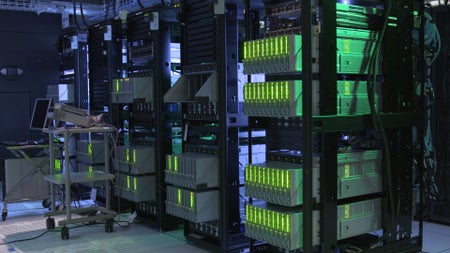
HPE Debuts Its Next-Gen Computer--Sans Much-Anticipated Memristors
“The Machine” research prototype is designed to tackle complex problems, but it’s a work in progress

Facebook Wants to Make Chatbots More Conversational
The social media giant is making its speech artificial intelligence training data open source

Billy Kimmel's Rare Heart Condition Explained
A number of cardiac defects turned an “easy” delivery into a race to save the life of Jimmy Kimmel’s newborn son
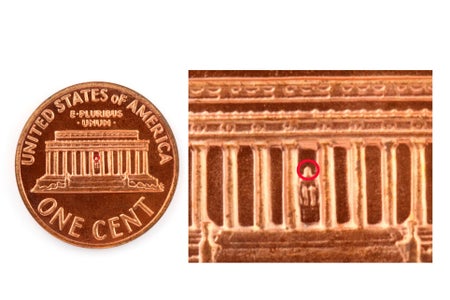
The Pentagon’s Seek-and-Destroy Mission for Counterfeit Electronics
DARPA is developing microscopic chips to help crack down on knockoff parts destined for weapons and satellite systems
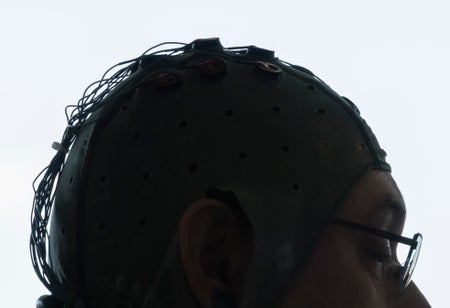
Facebook Launches "Moon Shot" Effort to Decode Speech Direct from the Brain
Can the social media giant’s bold claims live up to the hype?
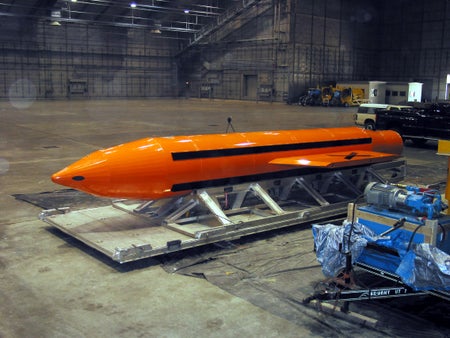
What Is the "Mother of All Bombs" That the U.S. Just Dropped on Afghanistan?
The mushroom cloud from the 22,000-pound air-blast bomb was meant to send a clear message

Ghost in the Sell: Hollywood’s Mischievous Vision of AI
With the new sci-fi flick Ghost in the Shell hitting theaters this week, Scientific American asks artificial intelligence experts which movies, if any, have gotten AI right

What's Driving the Self-Driving Cars Rush
Scientific American technology editor Larry Greenemeier talks with Ken Washington, vice president of Research and Advanced Engineering at Ford, about self-driving cars.

Tracing a Gaze to Understand Language Delays
Researchers use eye-tracking software to peek inside a child's mind when words fail, reading eye patterns to understand language production and combat conditions such as specific language impairment.
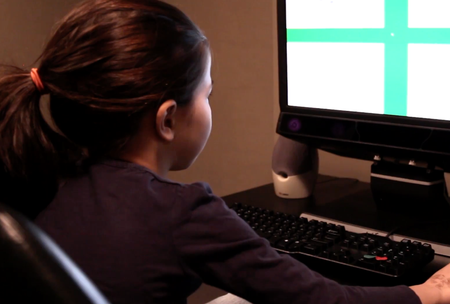
Opening a Window into the Minds of Language-Impaired Children
Researchers are using eye-tracking technology to learn more about children afflicted with specific language impairment
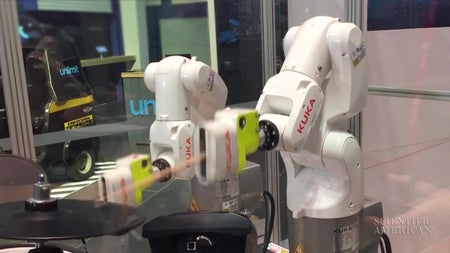
This Beat-Bot's Got Groove!
Could the drummer robot lead its cyber brethren to march in sync—or maybe someday even start a band?

Driverless Big Rigs Nearly Road Ready—That's a Big 10–4
Experts argue that self-driving trucks are even more important than autonomous passenger cars, and they’re easier to program
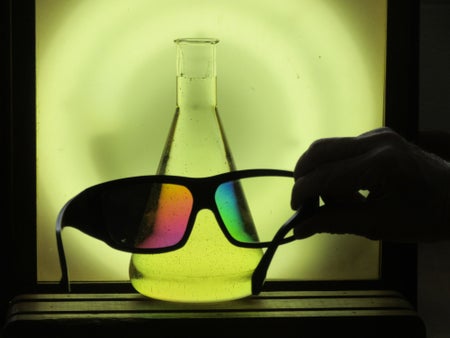
“Escape Room” Game Challenges Physics-Phobes to Face Their Fear
A quantum leap in problem-solving is the only way out of a university’s new LabEscape scenario game

Net Neutrality Foe to Head the FCC
Under new chair Ajit Pai the agency would likely to reverse its Open Internet Order—a regulation expected to become less relevant as the Net continues to evolve
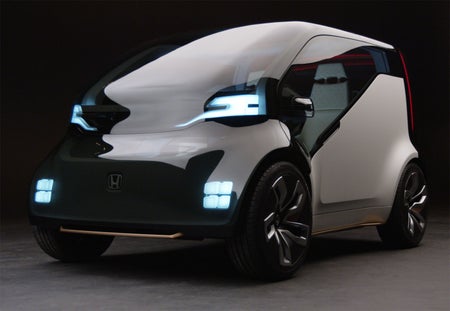
When Your Self-Driving Car Wants to Be Your Friend, Too
Who knew Knight Rider would be so prescient?

How the U.S. Could Retaliate against Russia’s Information War
Obama promised a response to hacking and other election interference, but what are his options?

SA's 2016 Gadget Guide: 10 Technologies Solid on Science [Slide Show]
Some hints on keeping holiday gifts real in a “post-truth” world

Trump’s First 100 Days: Technology, Privacy and Intelligence
The new administration will likely defang efforts to enforce Net neutrality and online privacy protections, and potentially ramp up domestic and international surveillance