
BiotechApril 19, 2018
“Warm Transplants” Save Livers and Lives
A machine that maintains organs at body temperature may help alleviate shortages
First published in 1869, Nature is the world's leading multidisciplinary science journal. Nature publishes the finest peer-reviewed research that drives ground-breaking discovery, and is read by thought-leaders and decision-makers around the world.
“Warm Transplants” Save Livers and Lives
A machine that maintains organs at body temperature may help alleviate shortages
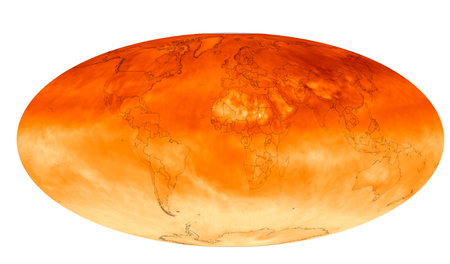
U.S. Environmental Group Wins Millions to Develop Methane-Monitoring Satellite
The Environmental Defense Fund is working with researchers at Harvard University on the probe
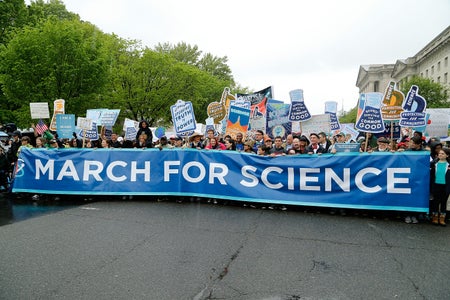
The March for Science is Back--Here's What to Expect
Researchers in the U.S., India and Mexico are protesting in advance of major elections
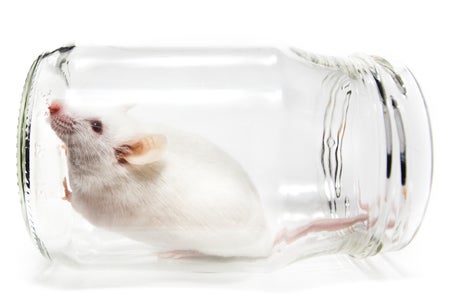
Squeaky Clean Mice Could Be Ruining Research
Pristine lab conditions may not provide the best model for human disease
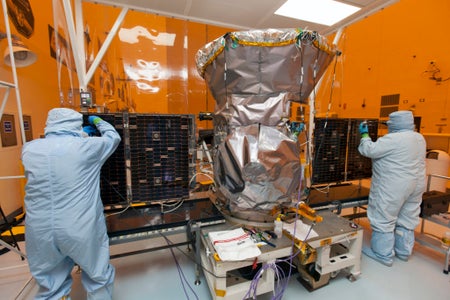
NASA’s Next Exoplanet Hunter Will Seek Worlds Close to Home
The Transiting Exoplanet Survey Satellite is designed to spot planets orbiting nearby bright stars
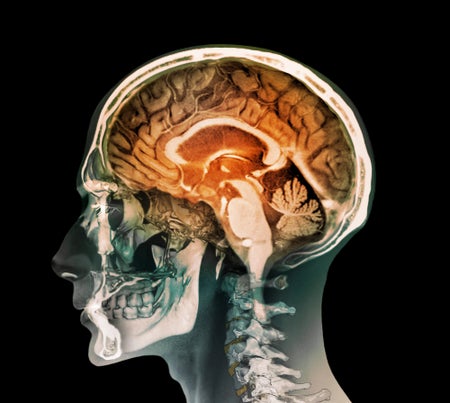
Beijing Launches Pioneering Brain Science Center
China’s move is expected to complement other countries’ related initiatives
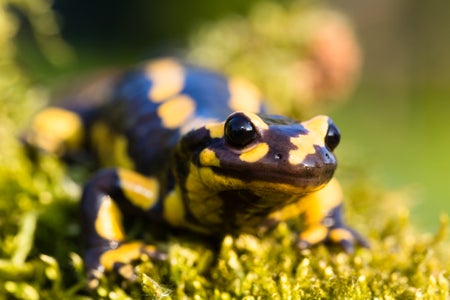
Huge Trove of Unknown Viruses Found in Fish, Frogs and Reptiles
Researchers often focus on pathogens that infect mammals and birds
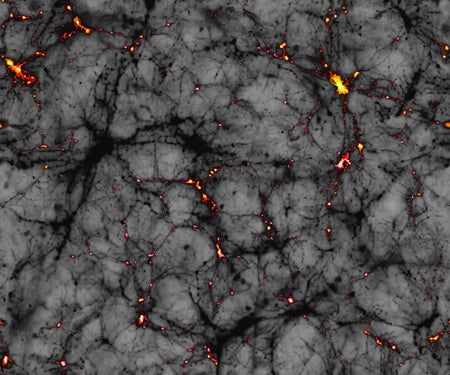
Beguiling Dark Matter Signal Persists 20 Years on
Physicists at experiment in Italy continue to see a data fluctuation that they say represents dark matter—but the mystery deepens
U.S. Science Agencies Set to Win Big in Budget Deal
Congress is preparing to vote on legislation that includes historic $37 billion for the NIH
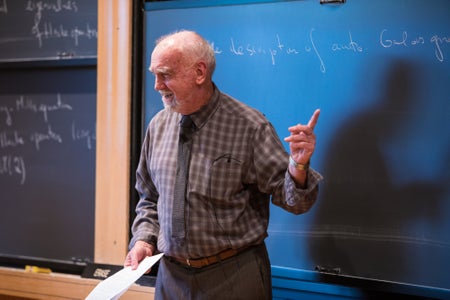
“Grand Unified Theory of Math” Nets Abel Prize
Robert Langlands’ ideas unearthed connections within mathematics that have helped to solve centuries-old problems and aided researchers in disparate fields
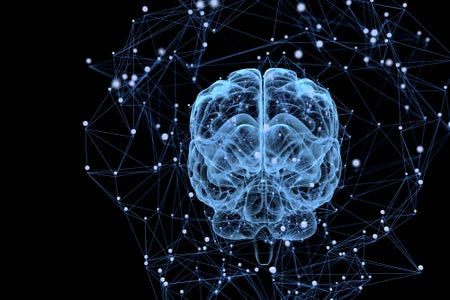
Portrait of a Memory
Researchers are painting intricate pictures of individual memories and learning how the brain works in the process
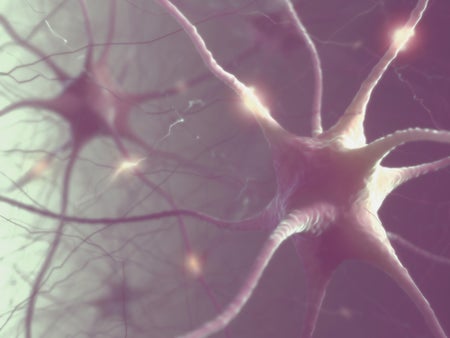
Brain Implants for Mood Disorders Tested in People
AI-controlled devices record neural activity and automatically stimulate the brain
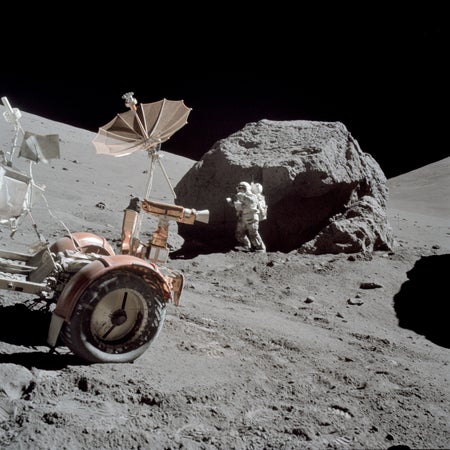
U.S. Scientists Plot Return to the Moon's Surface
Lunar researchers want to take advantage of Trump administration’s political interest
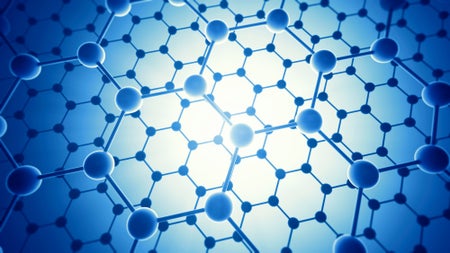
Surprise Graphene Discovery Could Unlock Secrets of Superconductivity
Physicists make misaligned sheets of the carbon material conduct electricity without resistance
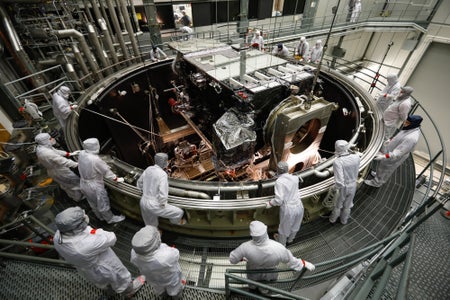
Latest U.S. Weather Satellite Highlights Forecasting Challenges
Researchers begin to tackle the technical obstacles to incorporate observations from space into weather models
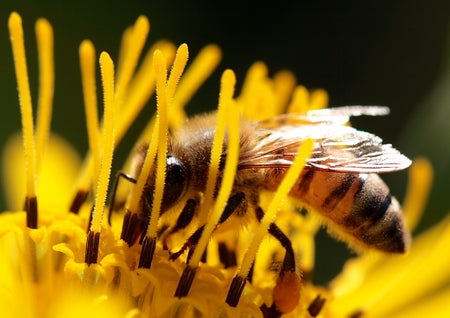
E.U. Expected to Vote on Pesticide Ban after Major Scientific Review
A survey of more than 1,500 studies concludes neonicotinoids harm bees
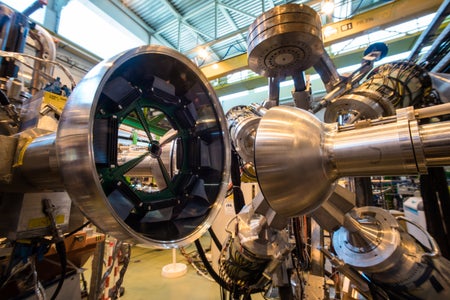
Physicists Plan Antimatter's First Outing--in a Van
Researchers intend to transport the elusive material between labs and use it to study the strange behavior of rare radioactive nuclei

The Quantum Internet Has Arrived (and It Hasn’t)
Networks that harness entanglement and teleportation could enable leaps in security, computing and science
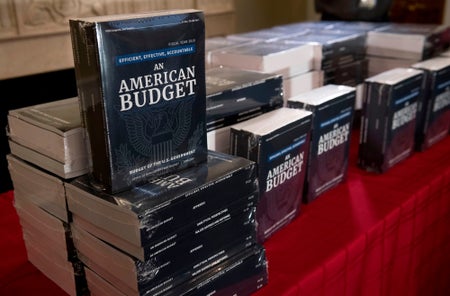
Trump Budget Gives Last-Minute Reprieve to Science Funding
Funding for the National Science Foundation and National Institutes of Health would hold steady after Congress agrees to lift spending caps, but details are fuzzy
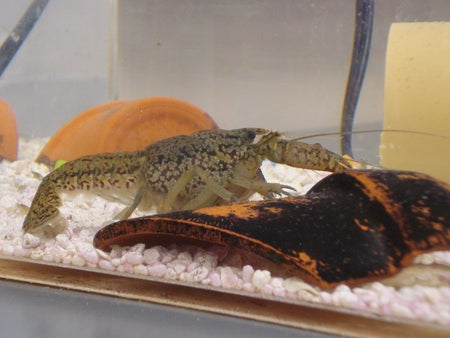
Geneticists Unravel Secrets of Super-Invasive Crayfish
DNA analysis suggests the self-cloning species is a genetic hybrid that emerged in an aquarium in the 1990s

Debate Blooms over Anatomy of the World's First Flower
Some researchers say statistical prediction of the ancestral blossom yielded an unlikely structure
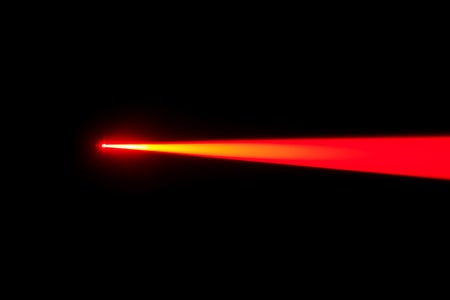
Physicists Harness Twisted Mathematics to Make Powerful Laser
High-quality beams could be among the first practical applications of the booming field of topological physics
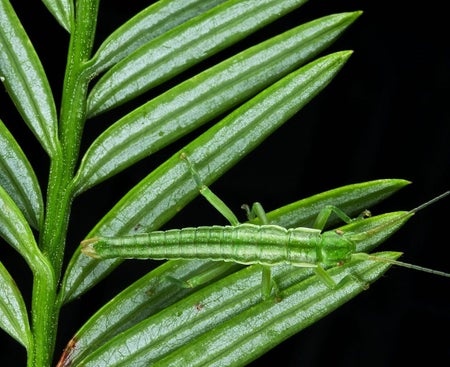
How Warp-Speed Evolution Is Transforming Ecology
Darwin thought evolution was too slow to change the environment on observable timescales—ecologists are discovering that he was wrong
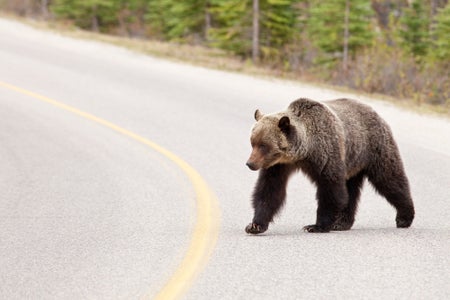
Animals Worldwide Stick Close to Home When Humans Move In
Baboons, grizzly bears and other species are giving up their wild ways as cities, farms and roads fracture habitat