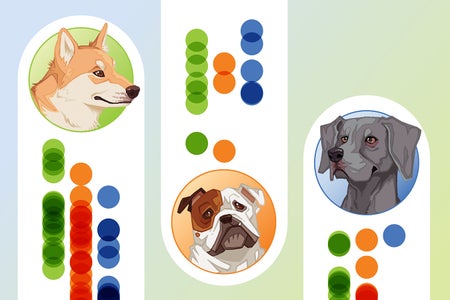
The Primal Pull of People Watching
Our social voyeurism may have deep evolutionary roots

The Primal Pull of People Watching
Our social voyeurism may have deep evolutionary roots

New Cell Transplant for Type 1 Diabetes Sidesteps Need for Immunosuppressants
Scientists treated a person’s type 1 diabetes with genetically modified insulin-producing cells that evaded immune system attacks. This is the first therapy for the condition that does not require immunosuppressant drugs


These Succulents Glow in the Dark—And They’re Gorgeous
Houseplants become rechargeable night-lights after injection with tiny phosphor particles

These Stunning Images Show Every Nerve in a Mouse
This new “connectome” could bring researchers one step closer to understanding how nerves connect to organs throughout the body

Mining the Deep Sea Could Threaten a Source of Ocean Oxygen
Deep-sea rocks packed with valuable metals may also be making oxygen in the deep, dark ocean—raising new questions about the cost of mining them.

Scientific American Celebrates 180 Years with Stories of Scientific U-turns
In honor of SciAm’s 180th birthday, we’re spotlighting the biggest “wait, what?” moments in science history.

Pastel Pink Lobsters, Goofy-Looking Squid among Deep-Sea Oddities Discovered in Ocean Abyss
Researchers spied a wild array of life, including dozens of suspected new species, in an underwater gorge

The Mystery of America’s Peanut Allergy Surge—And the Promising Science behind New Treatments
Peanut allergies more than tripled in U.S. kids between the late 1990s and late 2000s, and the prevalence has risen even more since then. Scientists are still searching for answers—and new ways to treat them.

What Can Nature Teach Us about Sex and Gender?
Traditional biology has long ignored nature’s sexual diversity—but evolution tells a far more complex story.

How RNA Unseated DNA as the Most Important Molecule in Your Body
DNA holds our genetic blueprints, but its cousin, RNA, conducts our daily lives

The Surprising Science behind Your Favorite (and Least Favorite) Scents
More familiar smells and scents from complex molecules can often be more appealing

Humans Aren’t as Special as We Once Thought
Other species exhibit capabilities that were once thought to be exclusive to Homo sapiens