OpinionJanuary 24, 2025
Teaching Evolution Has a Bright Future in the U.S.
A century after the Scopes trial, hopeful prospects beckon for teaching the unifying principle of the biological sciences in the U.S.’s classrooms
Teaching Evolution Has a Bright Future in the U.S.
A century after the Scopes trial, hopeful prospects beckon for teaching the unifying principle of the biological sciences in the U.S.’s classrooms
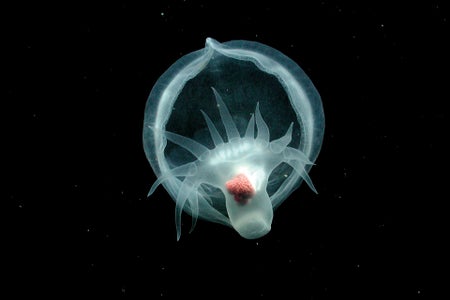
Glowing “Mystery Mollusk” Finally Identified
This strange sea creature stumped scientists for 20 years. Here’s what it really is

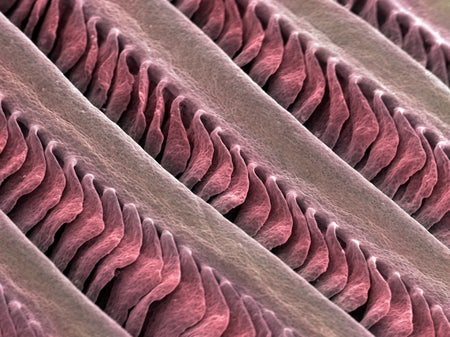
Our Ears Share a Common Ancestry with Fish Gills
The genes that build the cartilage of fish gills were repurposed to build the cartilage in mammals’ outer ears
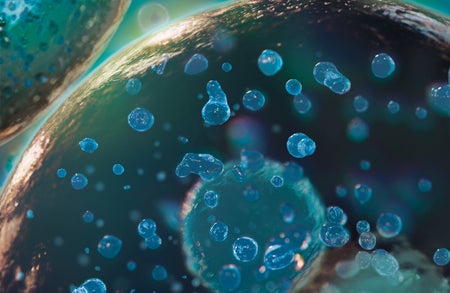
Mysterious Blobs Found inside Cells Are Rewriting the Story of How Life Works
Tiny specks called biomolecular condensates are leading to a new understanding of the cell

How Neandertal DNA May Affect the Way We Think
DNA inherited from Neandertals may influence modern human cognition
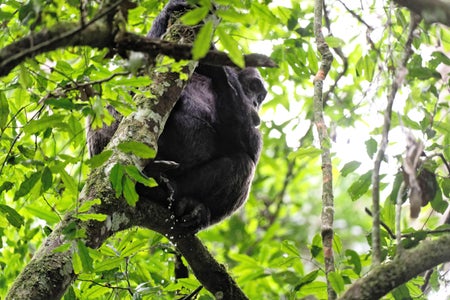
Peeing Is Contagious among Chimps
Just as people often yawn or scratch themselves when they see someone else do so, for chimpanzees, peeing is contagious
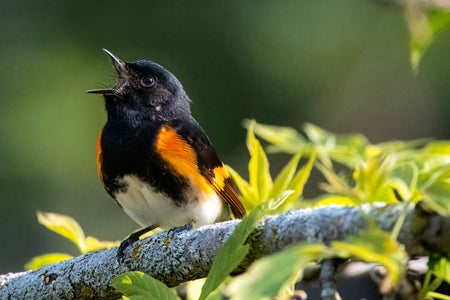
Migrating Birds Sing to Team Up with Other Species
Songbirds may socialize across species during nighttime migrations
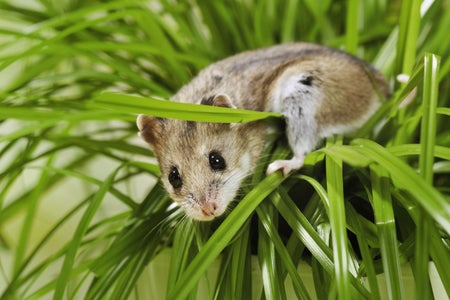
Plants’ Photosynthetic Machinery Functions inside Hamster Cells
Transplanted chloroplasts endured two days inside animal cells—and got to work
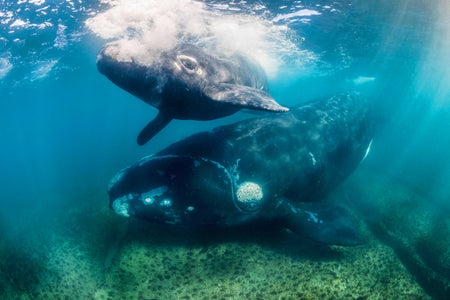
Some of These Whales May Live to 150—Double the Age Previously Thought
Bowhead whales were known to live up to 200 years, and a new study finds that southern right whales may live up to age 150 if they aren’t being hunted
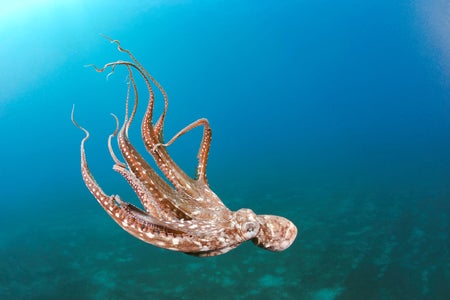
Are Octopuses Too Smart to Be Farmed?
A planned octopus farm is facing opposition. Here’s why
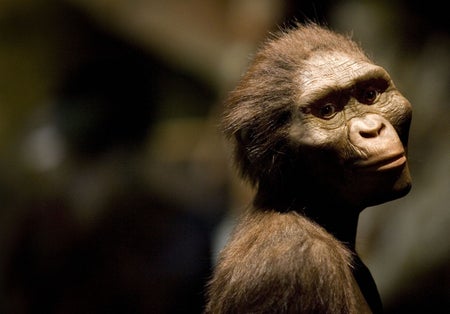
Run, Lucy, Run! Human Ancestors Could Jog but Not Very Far or Fast
Three-dimensional models of Australopithecus afarensis hint at the muscular adaptations that made modern humans better runners
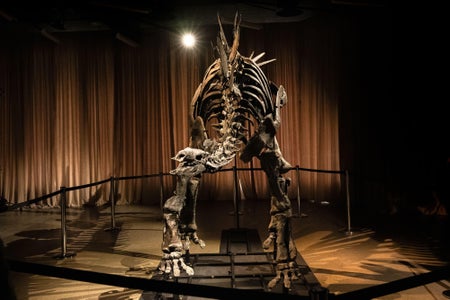
Most Expensive Dinosaur Fossil Ever Could Reveal Stegosaurus Secrets
The huge Stegosaurus fossil Apex, bought at auction for $44.6 million, has debuted on loan at the American Museum of Natural History