
This article was published in Scientific American’s former blog network and reflects the views of the author, not necessarily those of Scientific American
Black Friday is behind us and the window for last-minute shipping is starting to close. The scramble is on, and so is that niggling notion that in a month so many of the gifts in our carts will be forgotten at the back of a closet or at the bottom of a toy chest. In my own holiday search for the young (and young at heart) in my life, I have come across a few ideas for gifts that don’t necessarily come in a box. For those of you out there still searching, here are some ideas for the budding scientist in your life:
1. Library card in their own name
I can still remember getting my first library card. I had practiced writing my name for days and my mom held me up to the counter so that I could write it on the card myself. Libraries have books, magazines, movies, educational programs, computer labs, and even guest speakers. Many libraries have digital collections for audiobooks and e-readers. Giving a young reader a chance to pick their own books and swipe their own card – not to mention learning how to be responsible enough to return books on time – can be a memorable glimpse into early independence.
On supporting science journalism
If you're enjoying this article, consider supporting our award-winning journalism by subscribing. By purchasing a subscription you are helping to ensure the future of impactful stories about the discoveries and ideas shaping our world today.
2. Trip to a museum or zoo
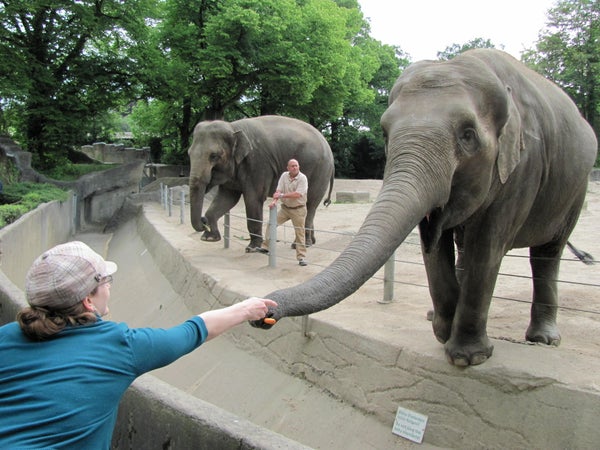
If you live near a museum or zoo, plan a trip! If possible, let your budding scientist help plan the day. If entrance fees present a barrier, look into options for free or reduced admission. Check with your local library and see if it has any museum passes that can be checked out with your library card. Some museums are open to anyone with a military ID. Others have relationships with certain credit cards. Some (like the Cleveland Metroparks Zoo where I grew up) are free to locals on certain days, and others have days when they are free to anyone. Ask around!
3. Membership to local museum or zoo
If going to a museum together isn’t an option – you live far away, have conflicting work schedule, etc – consider purchasing a gift membership instead. Even if you can’t go together, you can look up the exhibits to make a plan and schedule a call to talk about it afterwards. There are also passes and museum passports that provide admission to multiple locations.
4. Magazine subscription
Magazine subscriptions are another great option for budding scientists who might not be nearby. Depending how often the issues arrive, you can plan a conversation around what they read. Maybe you can even schedule a video chat and have them show you their favorite parts. Magazines provide a chance for content throughout the year, and a chance to continue your conversation as each new issue arrives.
5. Build something together
This isn’t necessarily a gift idea in itself, but something to think about with the gifts that may be coming in boxes. With all the stories of staying up all night to assemble bikes and dollhouses, I wonder if there can also be stories about figuring out how to build something difficult together. If your budding scientist is old enough, consider setting aside time to build something together. It might not even be one of their gifts – maybe it will be one of yours! It may take longer than putting it together yourself, but it provides an opportunity for important lessons about communication, using tools, reading diagrams, cooperation, and patience. There is also the added benefit of giving young people the chance to see how the adults in their life deal with frustration and making mistakes.