
This article was published in Scientific American’s former blog network and reflects the views of the author, not necessarily those of Scientific American
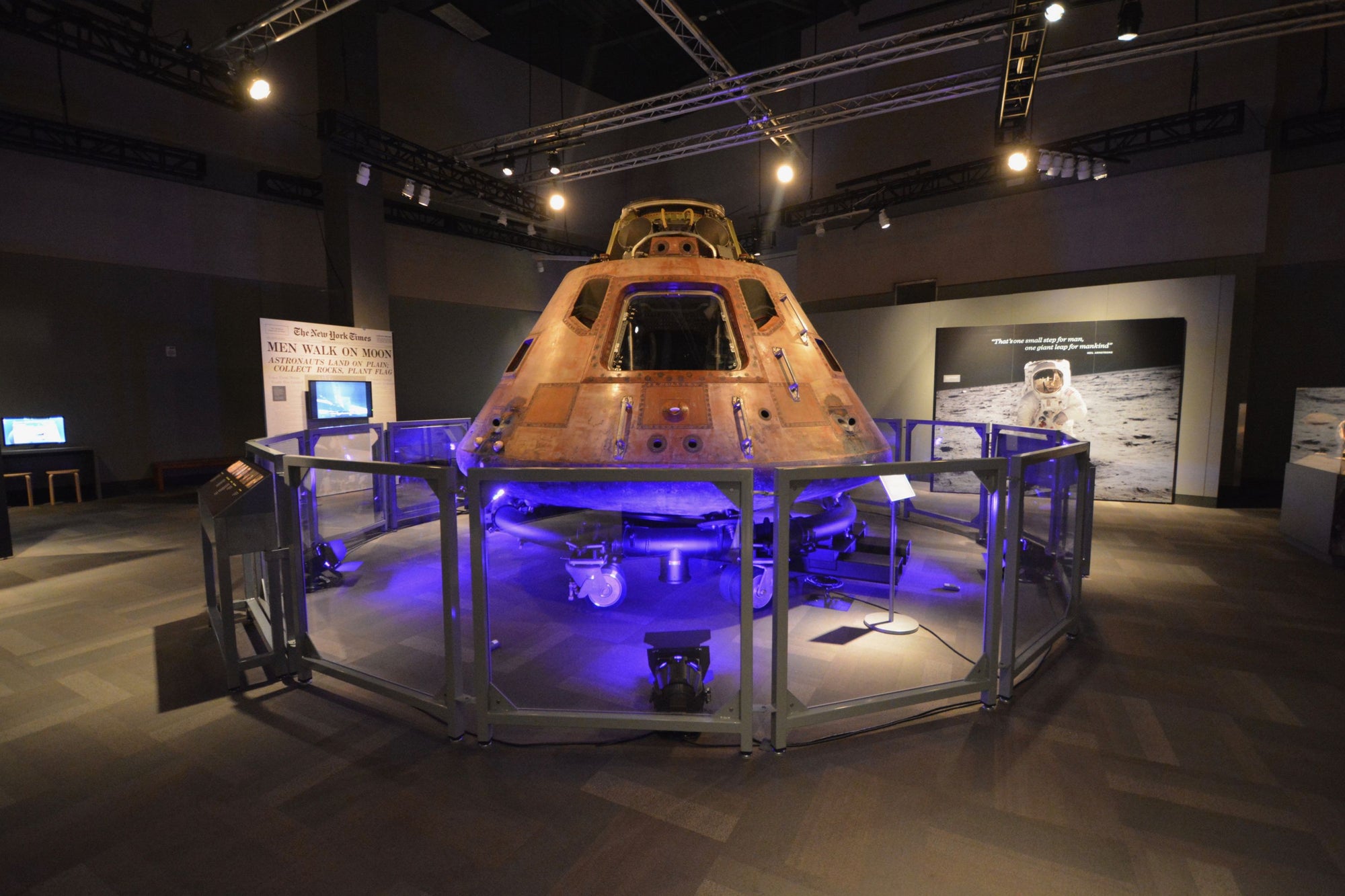
Space exploration still feels like a thing of the future. With all the gleaming machinery and dramatic launches, it is easy to get sucked into the anticipation of what may come next. But that urge to look forward makes it easy to forget to look back. With the Apollo 11 mission coming up on its 50th anniversary, some of the kids who watched those famous first steps now have grandkids of their own. And for the first time since the Apollo era, the Columbia command module is heading out on a national tour as part of the Smithsonian Institution’s “Destination Moon: The Apollo 11 Mission.” In addition to stops in Houston, Pittsburgh, and Seattle, the tour’s current home has its own special history with the space program: Saint Louis. And the team at the Saint Louis Science Center could not be more excited.
Credit: Saint Louis Science Center
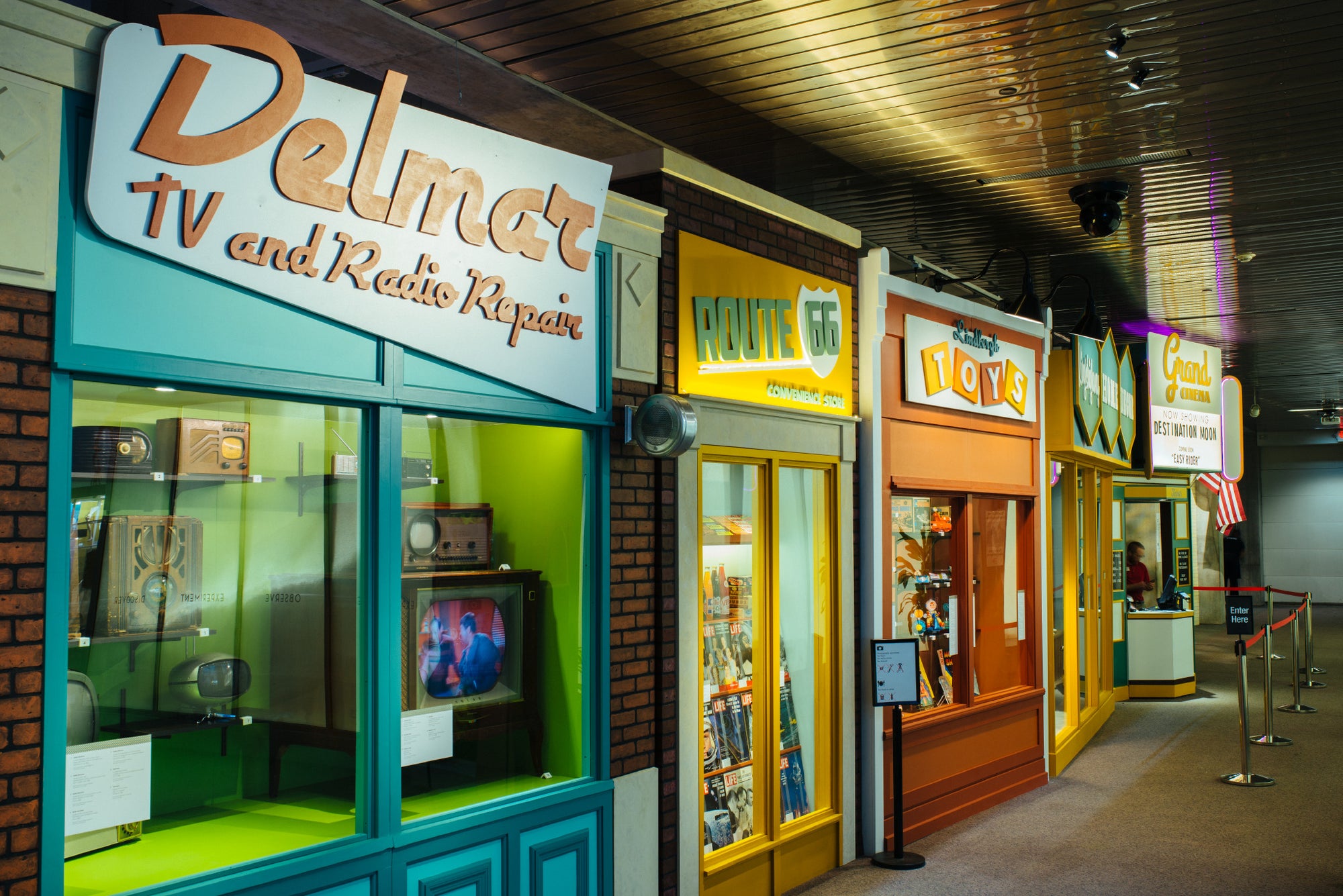
Traveling exhibits play an important role for any museum – giving local families a reason to come back and bringing new visitors with specific interests in for the first time. But Bert Vescolani, President & CEO of the Saint Louis Science Center, wanted this exhibit to be something more. He wanted to acknowledge the many local families that had been a part of creating the Mercury and Gemini capsules, training astronauts for their journeys, and helping identify landing sites for the Apollo 11 mission. Vescolani tasked his team with creating an exhibit that spoke to the Saint Louis community. The museum decided to take its visitors back in time.
On supporting science journalism
If you're enjoying this article, consider supporting our award-winning journalism by subscribing. By purchasing a subscription you are helping to ensure the future of impactful stories about the discoveries and ideas shaping our world today.
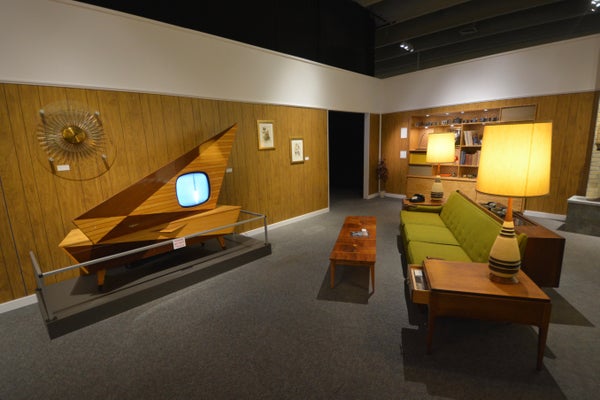
Christian Greer, Chief Officer of Science, Education and Experience, credits some of the inspiration to astronaut Gene Cernan’s quote about the Apollo era, “The President had plucked a decade out of the 21st century and inserted it into the 1960s and 70s.” The museum team thought it would be powerful to reverse the process. Rather than walking straight into a hall filled with capsules and space suits, museumgoers first find themselves on a Saint Louis street in the 1960s. The homes, storefronts, and even the toys in the windows let visitors know that they are not in the modern day. The museum team and exhibit designers from Luci Creative integrated the museum collection, local artifacts, and set design to create an immersive experience.
Credit: collectSPACE.com
Stepping out of the period of on-demand media, museumgoers instead watch the famous footage on the small television screen in a period home. Older generations have the chance to guide the younger ones through the experiences, sharing their own memories along the way. Thoroughly immersed in the time, museumgoers come to the main exhibit with a sense of just how radical the moonshot was. There is a difference between intellectually knowing that half a century has passed and seeing what the technology of the time on the ground looked like.
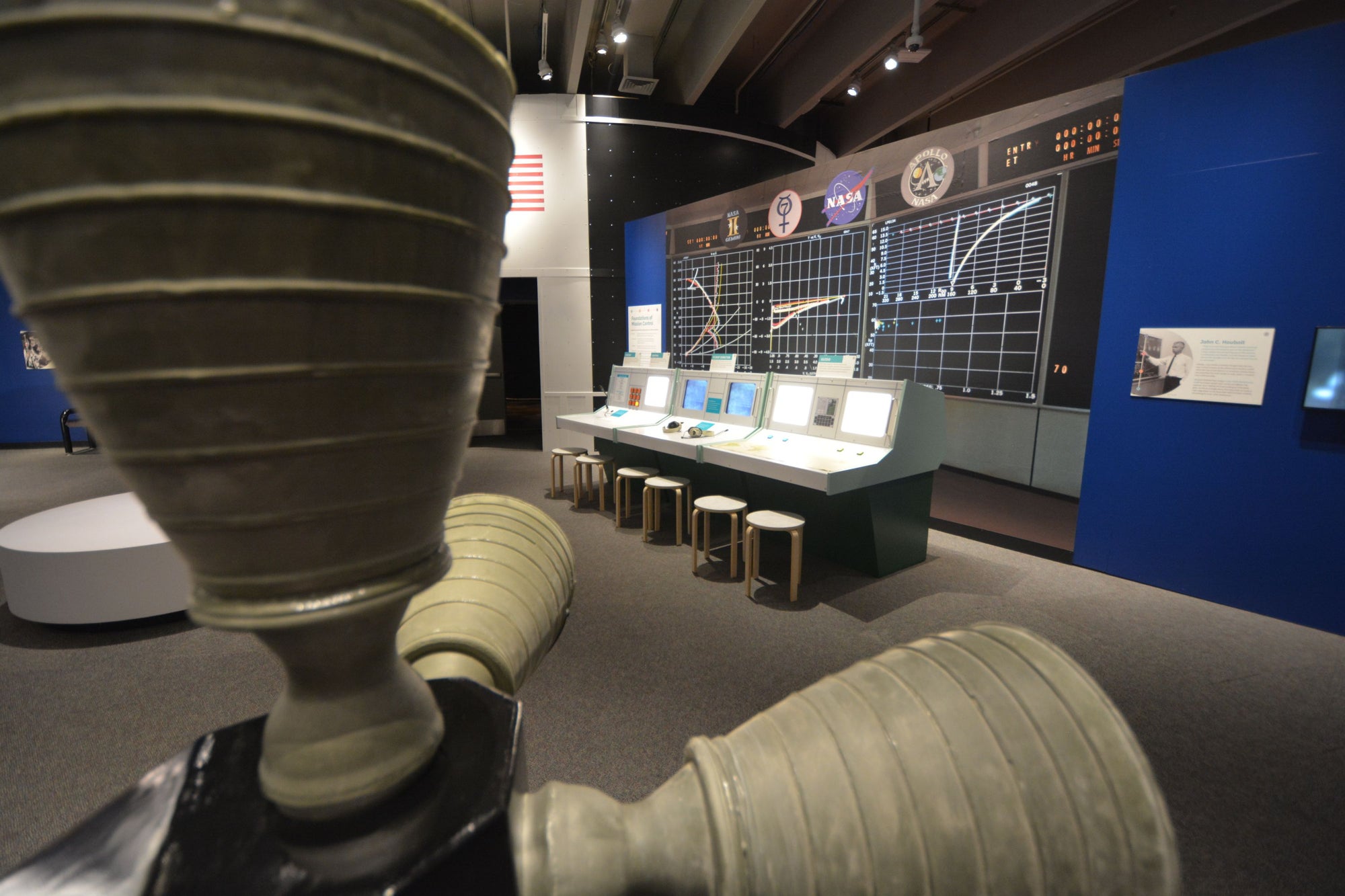
As a Smithsonian affiliate, the Saint Louis Science Center staff were delighted at the national treasures that came through their doors. Those treasures helped to inspire the hands-on experiences crafted for young visitors. “They may not be able to put Neil Armstrong’s helmet on their head,” said Greer, “but we could give them other chances to dig in and see if they’ve got the right stuff.” Museumgoers can climb into a capsule or try to pick up moon rocks through astronaut gloves. And in a nod to the thousands of people behind the scenes for any space mission, visitors can also take their place – and their microphone – at mission control.
Credit: collectSPACE.com
The exhibit be in Saint Louis until September 3rd before moving on to Pittsburgh. Vescolani said it has already left a lasting mark on the science center and its team. The supporting exhibit the team put together ended up having a bigger footprint than the traveling exhibit itself, and the museum staff could not wait to bring their own families through to see it. It will also be able to keep an important part of that experience for locals once the traveling exhibit moves on. But in the meantime, visitors who are able to make it for the full experience are in for something truly special.