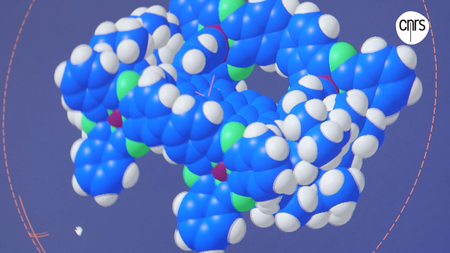
ChemistryNovember 16, 2016
“Nanocars” Gear Up for World’s Most Amazing Molecular Race
Tiny molecular machines will chase around a gold track in a 38-hour sprint
“Nanocars” Gear Up for World’s Most Amazing Molecular Race
Tiny molecular machines will chase around a gold track in a 38-hour sprint
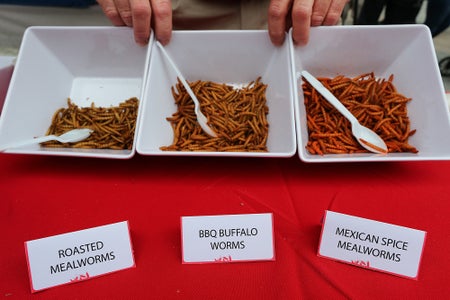
Edible Insects Have More Iron Than Sirloin Beef
Beetles, eaten in several parts of the world, amply supply this essential nutrient to a meat-poor diet

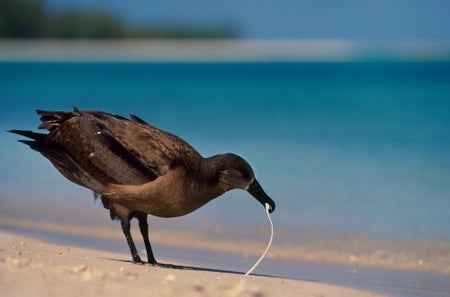
Plastic Garbage Chemical Attracts Hungry Seabirds
One substance in ocean debris smells like food, and the mistake leads to poisoning and malnutrition
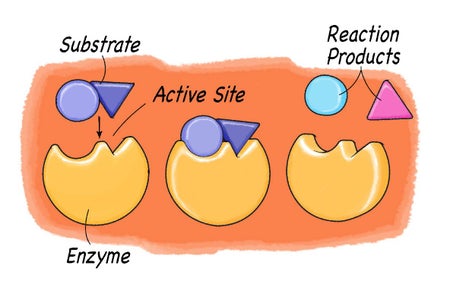
Exploring Enzymes
A catalyzing science project
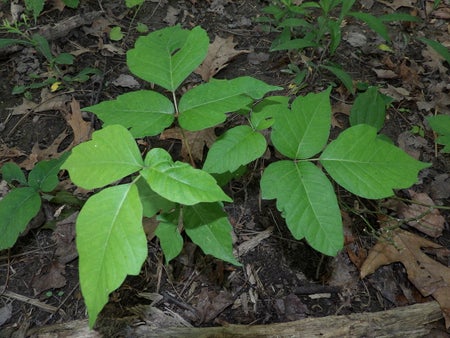
Poison Ivy’s Itch Can Be Calmed by a Protein
Blocking an immune system protein, interleukin-33, squelches itch signaling in mice
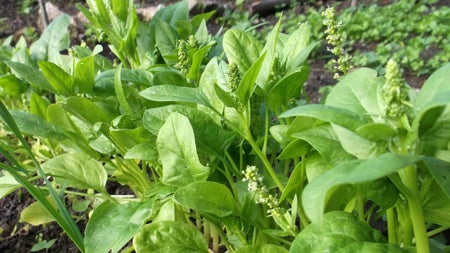
Spinach Works as a Hidden Bomb Detector
Plants soak up explosive chemical traces from soil, then special sensors in leaves light up
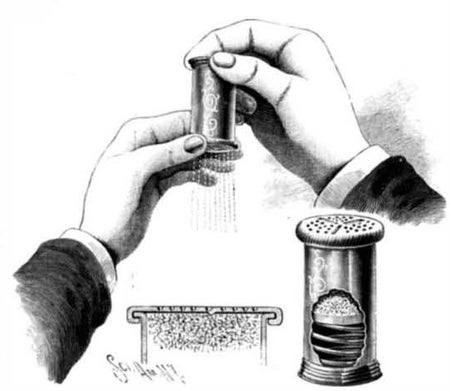
Salt: Historical Notes from Scientific American
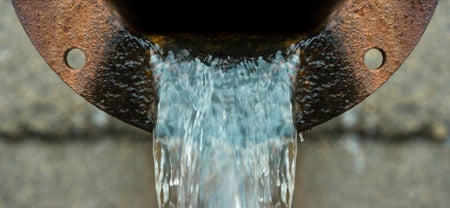
Flint's Water and Environmental Justice
The University of Michigan's Paul Mohai, a leading researcher of issues related to environmental justice, talked about the Flint water crisis at a workshop sponsored by the Institute for Journalism and Natural Resources, attended by Scientific American contributing editor Robin Lloyd.
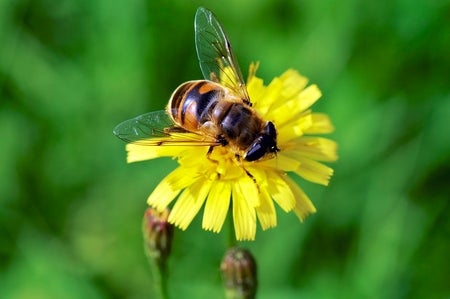
Flowers Deceive Flies with Chemical Cocktail
The parachute flower smells like alarm pheromones of a honeybee, to attract tiny flies that feed on bees under attack.

Battling Stains with Bleach
An oxidizing science project
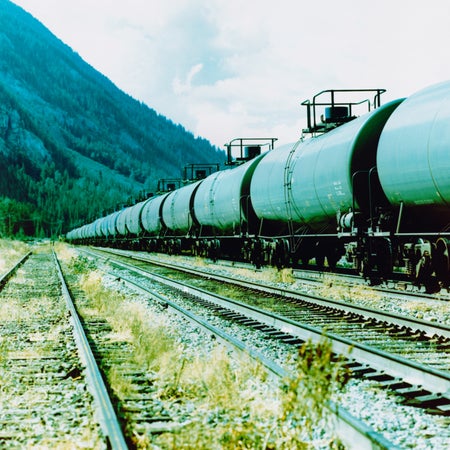
Feed Microbes Oxygen to Help Clear Spilled Oil
A technique called “biosparging” relies on pumping oxygen underground to help naturally occurring microorganisms multiply and consume oil spills.

Everything You Wanted to Know about This Year's Nobel Prizes, but Might Have Missed
The winning science of weird materials, nanoscale cars and self-eating cells