CultureNovember 1, 2020
Poem: The Noble Gases
Science in meter and verse
Poem: The Noble Gases
Science in meter and verse
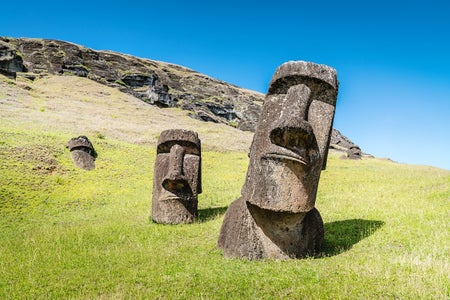
Why Some Easter Island Statues Are Where They Are
Many of the statues not along the coast are in places that featured a resource vital to the communities that lived and worked there.


3,000-Year-Old Orbs Provide a Glimpse of Ancient Sport
Researchers say three ancient leather balls, dug up from the tombs of horsemen in northwestern China, are the oldest such specimens from Europe or Asia. Christopher Intagliata reports.
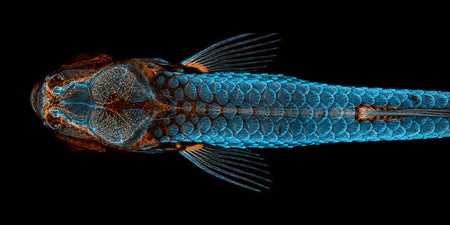
Luminous Zebra Fish Wins Contest for Microscopic Photography
A mix of scientists and hobbyists made our top picks from the 2020 Nikon Small World contest
Galileo and the Science Deniers
Four hundred years ago Galileo Galilei’s scientific findings were rejected because they didn’t fit the prevailing beliefs of the time. His story is disturbingly relevant today. Astrophysicist and author Mario Livio and Scientific American editor Clara Moskowitz to discusses lessons from Galileo’s life for dealing with science deniers now, plus a historical detective story about Galileo’s famous motto, “And yet it moves.”

Perplexing Perspectives
Conflicting viewpoints coexist at the crossroads of math and art

The Surprising Origins of Chemotherapy and Other New Science Books
Book recommendations from the editors of Scientific American
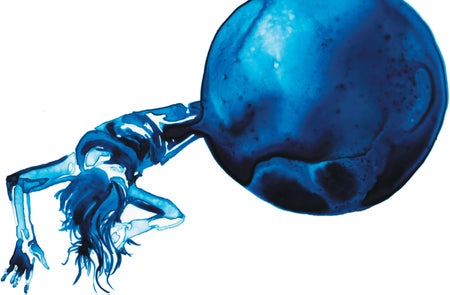
Poem: The Warped Side of Our Universe
Science in meter and verse
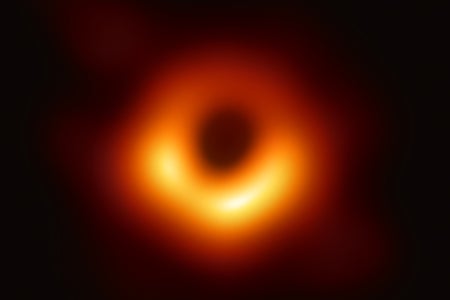
The First Ever Image of a Black Hole Is Now a Movie
Pictures created from old observations show the void’s stormy evolution over the past decade
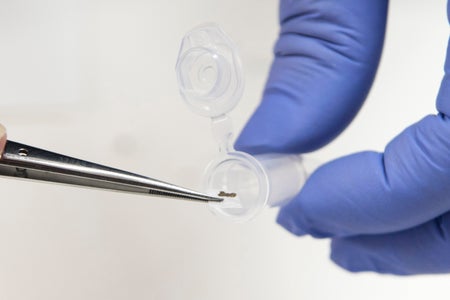
Science News from around the World
Here are some brief reports about science and technology from all over, including one from Israel about what DNA reveals about the Dead Sea Scrolls’ parchment.
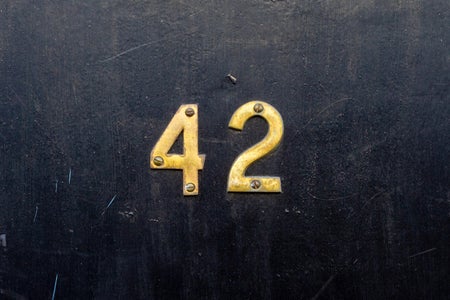
For Math Fans: A Hitchhiker’s Guide to the Number 42
Here is how a perfectly ordinary number captured the interest of sci-fi enthusiasts, geeks and mathematicians
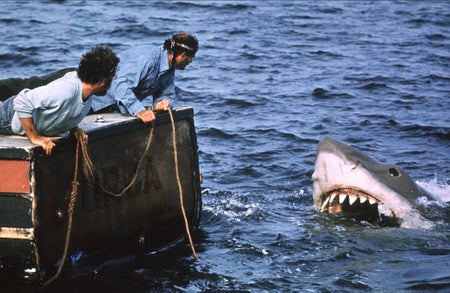
Jaws: Classic Film, Crummy Science
Forty-five years after the movie made everyone afraid to wade into the ocean, it’s not too late to remind viewers of the truth about sharks