OpinionSeptember 3, 2020
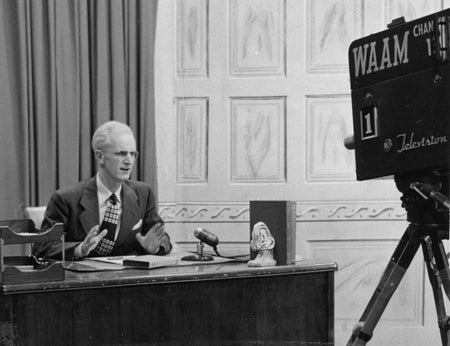
Science on the Small Screen, Retro Style
Here’s what educational TV from the late 1940s and early 1950s can teach us today
Science on the Small Screen, Retro Style
Here’s what educational TV from the late 1940s and early 1950s can teach us today

The Sanctuary of Trees, How to Argue with a Racist and Other New Books
New science book recommendations from the editors of Scientific American

Welcome to 175 Years of Discovery
An orientation to our special issue
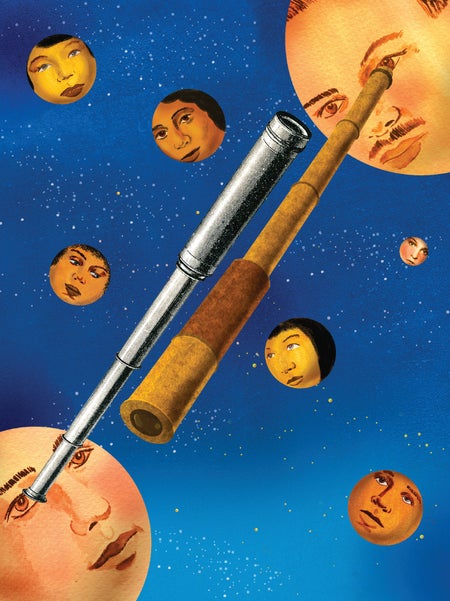
Reckoning with Our Mistakes
Some of the cringiest articles in Scientific American’s history reveal bigger questions about scientific authority
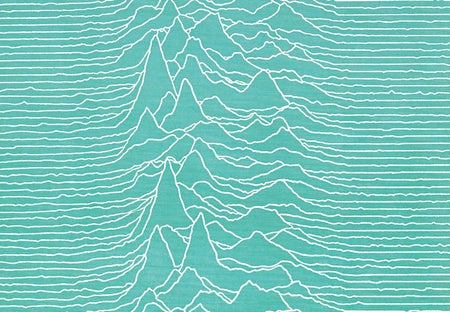
The Pulsar Chart That Became a Pop Icon Turns 50: Joy Division’s Unknown Pleasures
A classic data visualization brought an astronomical curiosity to music lovers
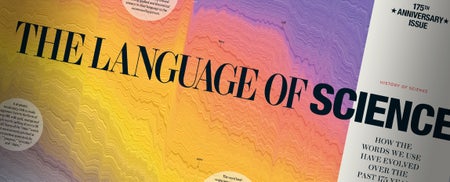
How to Turn 175 Years of Words in Scientific American into an Image
A data designer explains the art and science of analyzing and charting text from 5,107 issues of this magazine

When Scientific American Made M. C. Escher Famous
In the 1960s Martin Gardner helped to turn the artist M. C. Escher into a sensation
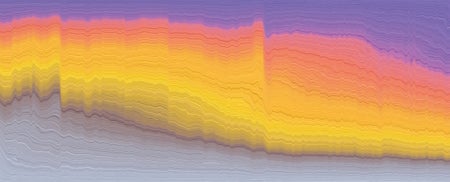
The Language of Science
How the words we use have evolved over the past 175 years
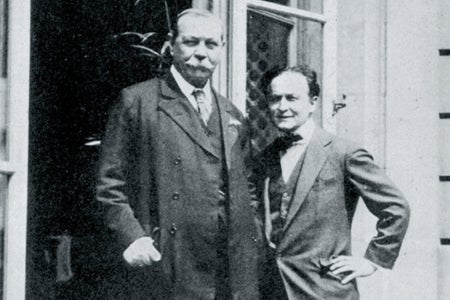
Scientific American vs. the Supernatural
This magazine launched a contest to prove, or disprove, the existence of ghosts
Poem: Bring Back the Leaf
Science in meter and verse
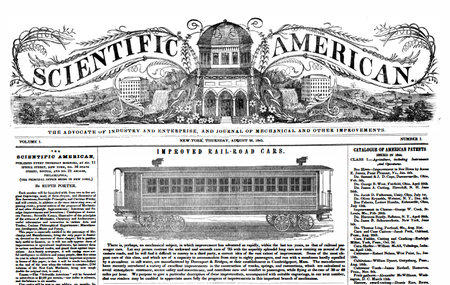
175 Years of Scientific American: The Good, the Bad and the Debunking
We look back at some highlights, midlights and lowlights of the history of Scientific American, featuring former editor in chief John Rennie. Astrophysicist Alan Guth also appears in a sponsored segment.
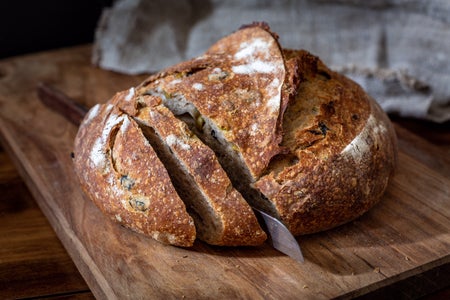
Bread Science: A Yeasty Conversation
“Baking is applied microbiology,” according to the book Modernist Bread. During pandemic lockdowns, many people started baking their own bread. Scientific American contributing editor W. Wayt Gibbs talks about Modernist Bread, for which he was a writer and editor.