The SciencesAugust 19, 2020
Time’s Arrow Flies through 500 Years of Classical Music, Physicists Say
A statistical study of more than 8,000 compositions shows how the flow of time distinguishes music from noise
Time’s Arrow Flies through 500 Years of Classical Music, Physicists Say
A statistical study of more than 8,000 compositions shows how the flow of time distinguishes music from noise

Explore 175 Years of Words in Scientific American
Search a 4,000-word database to see how language in the magazine evolved over time

Celebrating Scientific American’s 175th Anniversary
Enjoy some surprising history and the most dizzying discoveries
The Coming or Possibly Nearly Here Storm
Former Scientific American editor Mark Alpert talks about his latest sci-fi thriller The Coming Storm, which warns about the consequences of unethical scientific research and of ignoring the scientific findings you don’t like.
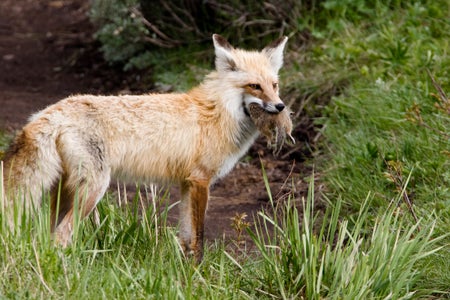
Foxes Have Dined on Our Leftovers for 30,000 Years
An analysis of fox fossils found evidence that they scavenged from wolf and bear kills until Homo sapiens supplied plenty of horse and reindeer remains.
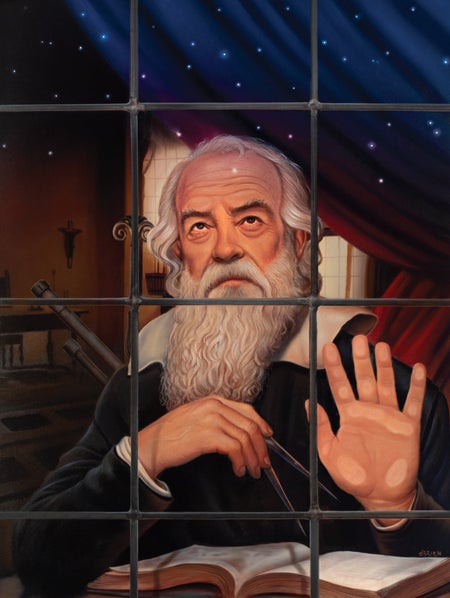
Galileo’s Lessons for Living and Working through a Plague
An outbreak in Italy in the 1630s forced him to find new ways of doing his research and connecting with his family
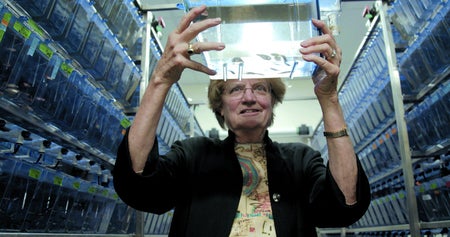
A New View of Sexual Harassment in the Sciences
Recommended reading and viewing from the editors of Scientific American
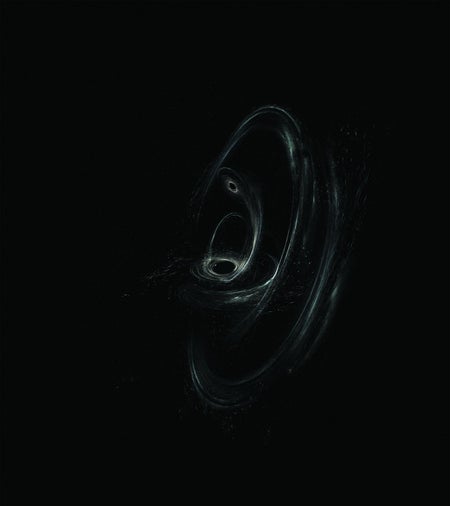
Gravitational Waves and the Poetry of Blackfoot
Science in meter and verse
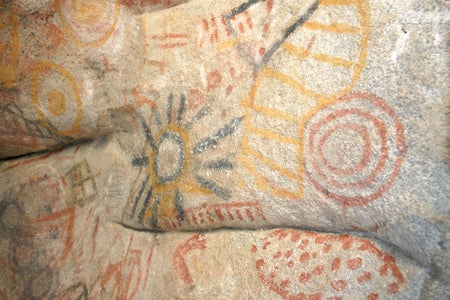
Mexico Caves Reveal Ancient Ocher Mining
Now submerged caves in the Yucatán Peninsula contain remains of ocher-mining operations that date back at least 10,000 years.

How Your Homes and Buildings Affect You
Journalist and author Emily Anthes talks about her book The Great Indoors: The Surprising Science of How Buildings Shape Our Behavior, Health, and Happiness.
The Real Reason for Daylight Saving Time: Gas
Originally published in August 1908
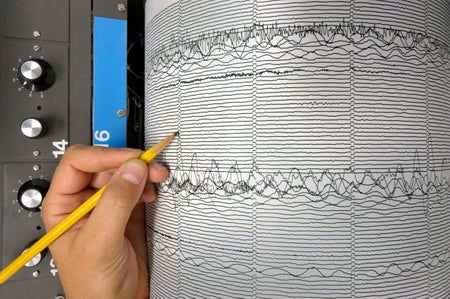
Seismologists Find the World Quieted Down during Pandemic Lockdowns
COVID-19-related lockdowns dampened human activity around the globe—giving seismologists a rare glimpse of the earth’s quietest rumblings. Christopher Intagliata reports.