OpinionAugust 11, 2020
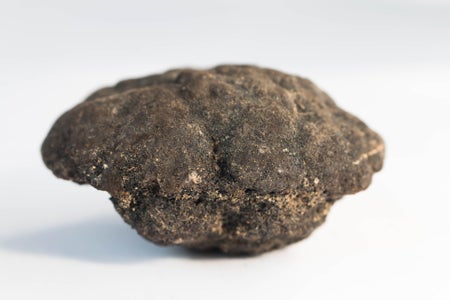
How to Mine the Oceans Sustainably
Deep-sea minerals, including nickel, copper, manganese and cobalt, are crucial to building clean-energy technologies
How to Mine the Oceans Sustainably
Deep-sea minerals, including nickel, copper, manganese and cobalt, are crucial to building clean-energy technologies
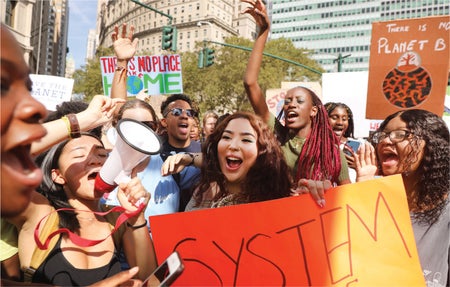
Our Planet, Our Choice

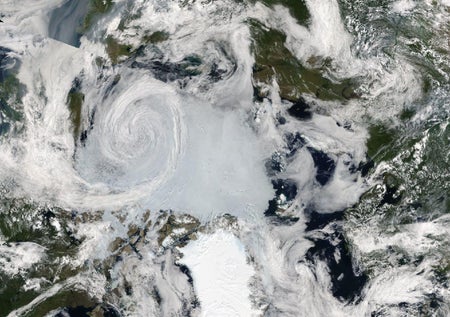
With Fires, Heat and a Cyclone, Arctic Breaks Melting Record
Sea ice loss could ultimately beat the record low season of 2012
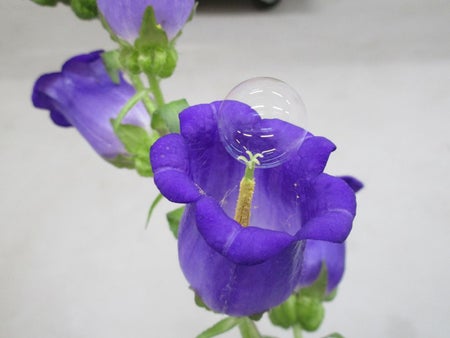
In Bee Shortage, Bubbles Could Help Pollinate
Soap bubbles are sticky enough to carry a pollen payload and delicate enough to land on flowers without harm.
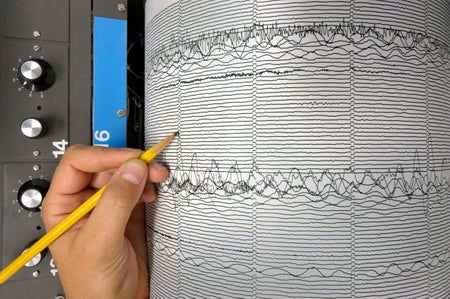
Seismologists Find the World Quieted Down during Pandemic Lockdowns
COVID-19-related lockdowns dampened human activity around the globe—giving seismologists a rare glimpse of the earth’s quietest rumblings. Christopher Intagliata reports.

Old Art Offers Agriculture Info
Art museums are filled with centuries-old paintings with details of plants that today give us clues about evolution and breeding practices.

How COVID-19 Decreases Weather Forecast Accuracy
Meteorologists take advantage of weather data collected by commercial jetliners at different altitudes and locations. Fewer flights mean less data.
Worst- and Best-Case Scenarios for Warming Less Likely, Groundbreaking Study Finds
The research narrows the range for how much Earth’s average temperature may rise if CO2 levels are doubled

Warning: Atmosphere Could Burst into Flames
Originally published in August 1846

Invisible Ether Evolved with Time
Originally published in November 1904

With Sea Level Rise, High-tide Flooding Spikes Along U.S. Coasts
Fifteen communities set records for the number of days with such floods last year

Slash CO2, Then Wait—and Wait—for Temperatures to Drop
Climate action today will take decades to manifest in global temperatures because of “climate inertia”