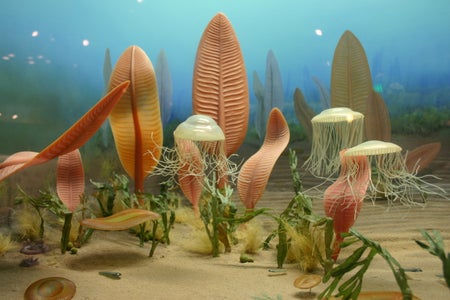
EarthFebruary 15, 2019
Ancient Earth’s Weakened Magnetic Field May Have Driven Mass Extinction
When our planet’s magnetosphere nearly disappeared 565 million years ago, it may have almost taken all life with it
Ancient Earth’s Weakened Magnetic Field May Have Driven Mass Extinction
When our planet’s magnetosphere nearly disappeared 565 million years ago, it may have almost taken all life with it
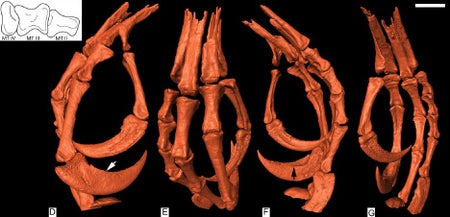
Spectacular Fossil Bird Foot Preserved in Amber
A rare amber inclusion underscores the importance of carnivores to the fossil record

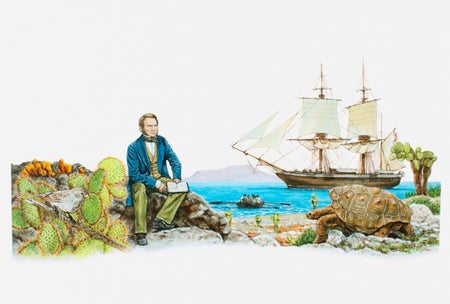
On the Origin of Darwin
On this 210th anniversary of Darwin's birth we hear evolution writer and historian Richard Milner perform a brief monologue as Charles Darwin, and former Scientific American editor in chief John Rennie and Darwin's great-great-grandson Matthew Chapman read excerpts from The Origin of Species.
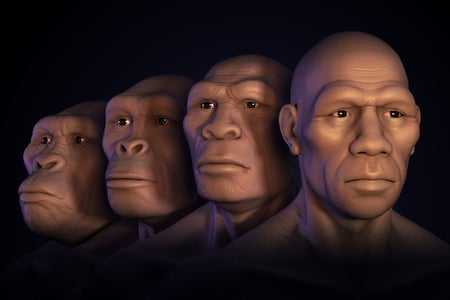
How Many Creationists Are There in America?
A new survey shows the number can vary considerably depending how you ask questions about evolution
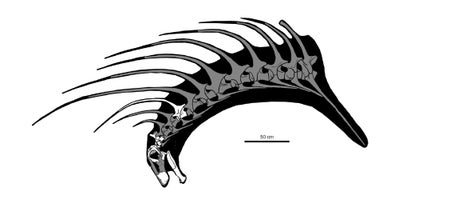
New Spiky Dinosaur Discovered in Patagonia
Bajadasaurus had a neck covered in long spikes. The question is "Why?"
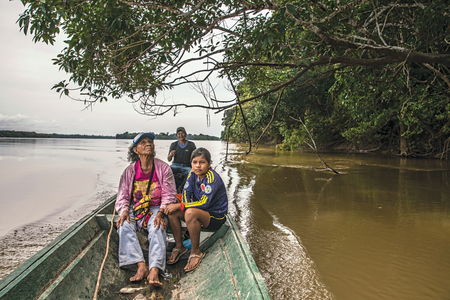
The Race to Save Colombia’s Uncontacted Tribes from Outsiders
As anthropologists debate how best to protect uncontacted tribes, indigenous groups in Colombia are working to shield their isolated neighbors from the march of modernity
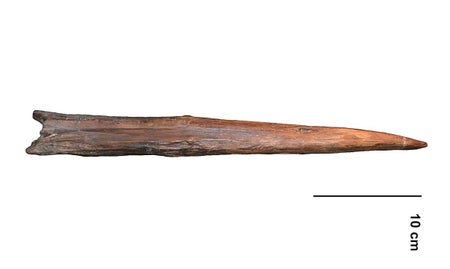
Neandertal Spears Were Surprisingly Deadly
Javelin throwers chucking replicas of Neandertal spears were able to hit targets farther away, and with greater force than previously thought to be possible. Christopher Intagliata reports.
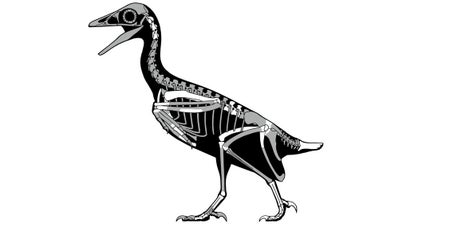
Fossil Bird Soared above Utah's Dinosaurs
A partial skeleton significantly updates the history of a major, extinct bird family
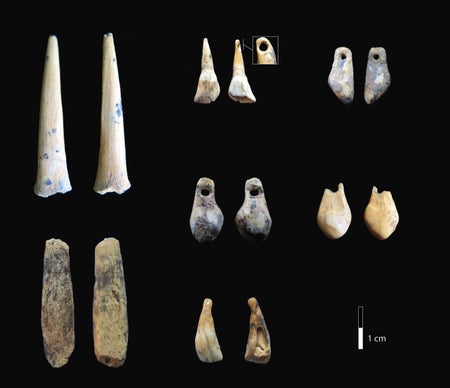
Cave That Housed Neandertals and Denisovans Challenges View of Cultural Evolution
Researchers have deduced which early human species occupied Denisova Cave and when, drawing surprising conclusions about who made the sophisticated artifacts found there
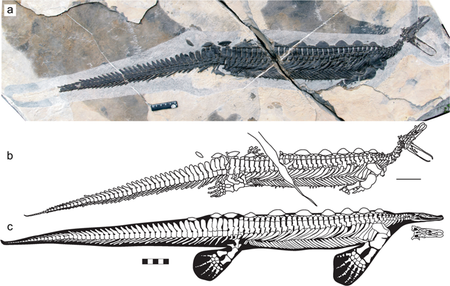
Strange Marine Creature Resembles a Reptilian Platypus
Small eyes and decorative plates make this Triassic creature stand out
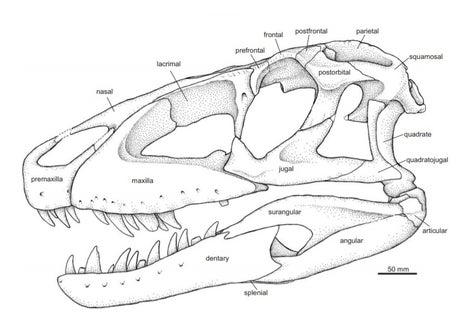
Ancient Croc Cousin Gets a New Look
A beautiful skull of Prestosuchus updates what paleontologists thought they knew about this Triassic reptile
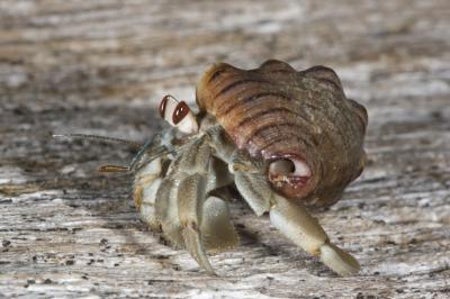
Intimate Hermit Crab Keeps Shell On
A species of hermit crab appears to have evolved a large penis to enable intercourse without leaving, and thus possibly losing, its adopted shell.