
EvolutionAugust 1, 2015
The Most Invasive Species of All Web Ex
The Most Invasive Species of All Web Ex
"Imperfect" Vaccines May Aid Survival of Ultrahot Viruses
Certain vaccines prevent sickness and death, but don't block transmission—meaning they may actually give some viral strains an extra shot at survival. Christopher Intagliata reports

What All the Screaming Is about
An analysis of the acoustical characteristics of screams found that the sounds are unusually rough, that is, they rapidly change in frequency, which has an alarming effect on the listener's brain
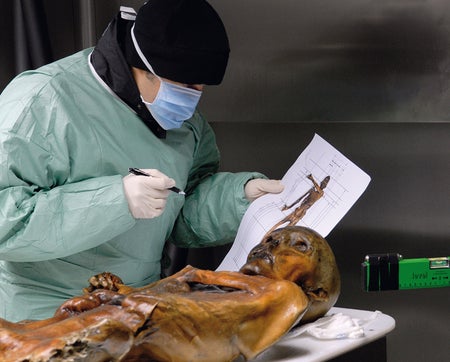
Melting Mummies Are on Thin Ice, Thanks to Climate Change
Glacial archaeologists scramble to save long-preserved specimens thawing out of vanishing ice before they are lost forever

Soil-Dwelling Fungus Rode Joplin Tornado to Unexpected Human Home
The most unexpected beneficiary of the EF-5 tornado that struck Joplin, Mo., in May 2011 was a fungus named Apophysomyces
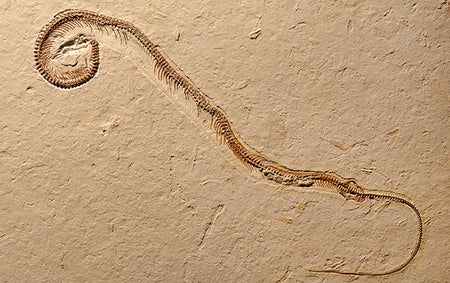
4-Legged Fossil Snake Is a World First
"Hugging" creature from Brazil shakes up picture of snake evolution
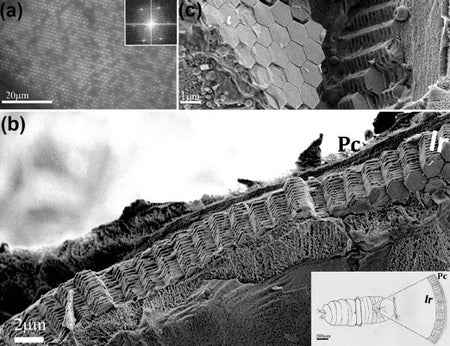
How Do Sea Sapphires Become Invisible?
The sea sapphire combines the brilliance of a morpho butterfly, the cuteness of copepod, and the cloaking skills of a Klingon Bird-of-Prey. But just how does it pull it off?

Does Being around Trees Help People Feel Good?
Recent research has shown that trees clean the air, and our feelings
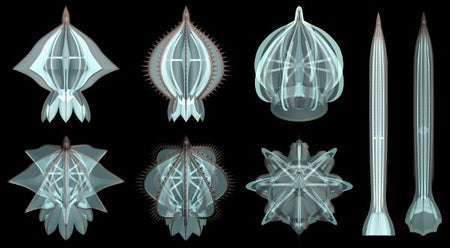
Shimmering, Squishy Comb Jellies Once Had Skeletons
An evolutionary arms race 500 million years ago seems to have unexpectedly caused today's gelatinous comb jellies to armor up -- and they weren't alone.
Male Black Widows Strive for Mate's Monogamy
During courtship, male black widow spiders snip and bundle up the female's web in their own silk, which discourages other suitors from stopping by. Christopher Intagliata reports
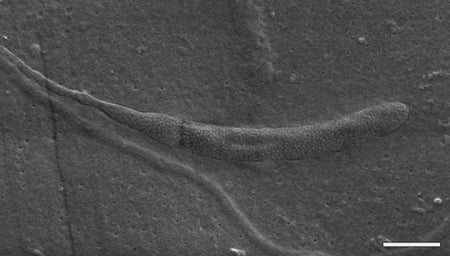
Oldest Animal Sperm Found inside Fossilized Worm Cocoon
The remains of a preserved 50-million-year-old cell may provide clues to the evolution of earthworms and leeches
Hitchhiking Worms Survive Slug Guts Transport
Nematode worms hitch rides inside the guts of slugs and other invertebrates, and emerge alive and well after exiting with the rest of the digestive track's products. Karen Hopkin reports