NeurologyApril 1, 2021
Why Your Brain Needs Exercise
Video produced in partnership with The Great Courses. All Great Courses video content is available only to subscribers with the password sent via email.
Why Your Brain Needs Exercise
Video produced in partnership with The Great Courses. All Great Courses video content is available only to subscribers with the password sent via email.
Is Estrogen Deficiency Really a Thing?
The catchall term plays into a cultural notion that estrogen is what makes a woman a woman

Reproductive Problems in Both Men and Women Are Rising at an Alarming Rate
A likely culprit is hormone-disrupting chemicals
Is 70 Really the New 60?
People are aging better but not across the board. Education makes a dramatic difference
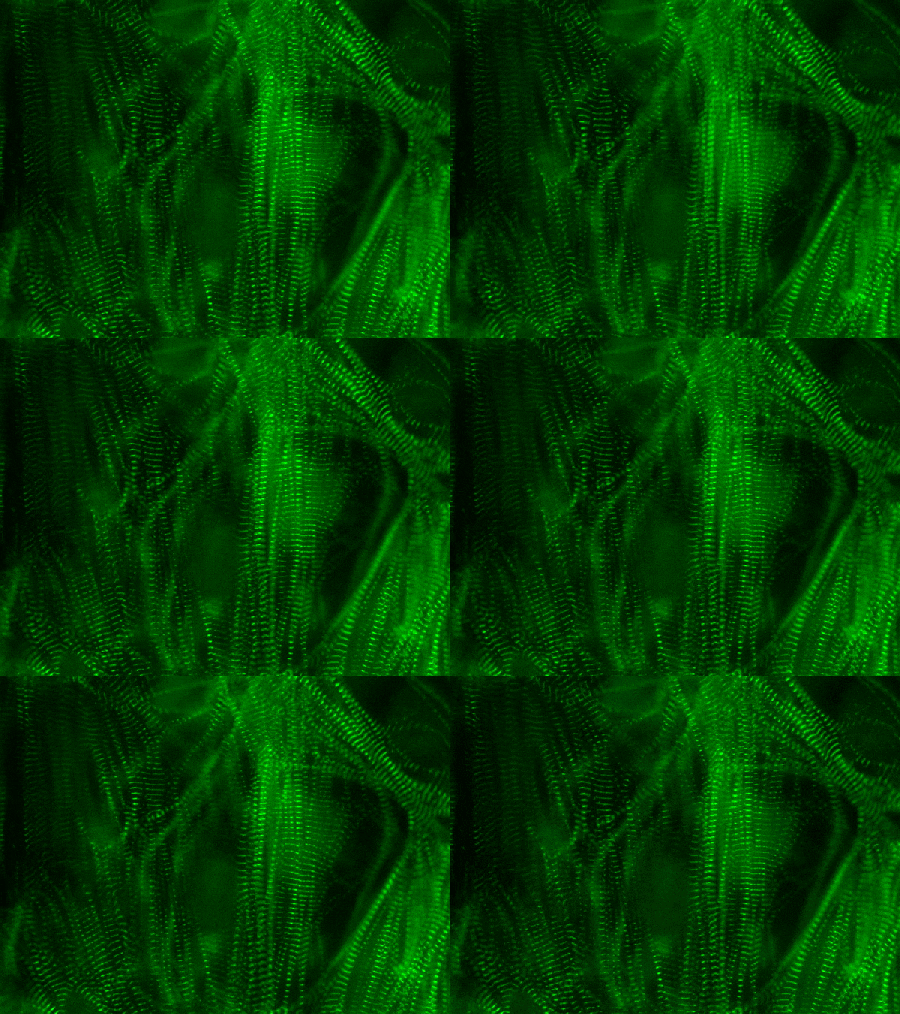
A New Cell Map of the Human Heart
Scientists have created an atlas of cardiac cells in six regions that could help chart what goes awry in heart disease

Election Science Stakes: Technology
We wrap up our preelection series with Scientific American senior editor Jen Schwartz, who talks about the possible effects of the election results on technology development and use.
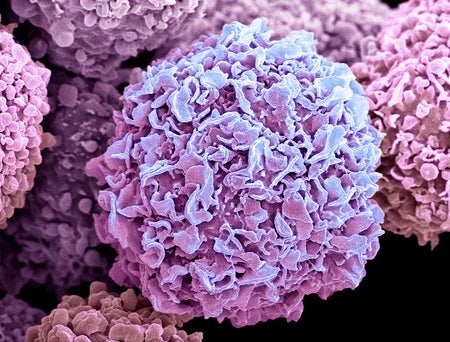
Taking Early Cancer Detection to the Next Level
The genomic revolution gives us an opportunity to bend the mortality curve
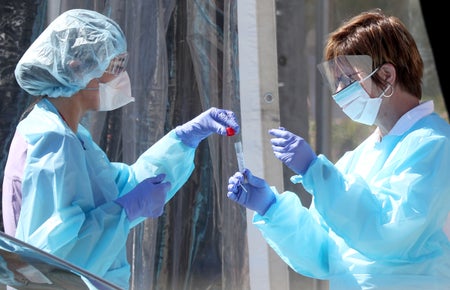
Election Science Stakes: Medicine and Public Health
Scientific American’s senior medicine editor Josh Fischman talks about issues in medicine and public health that will be affected by this election.
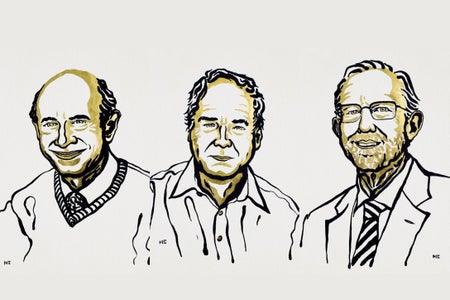
Discovery of Hepatitis C Snags Nobel Prize in Medicine
Harvey J. Alter, Michael Houghton and Charles M. Rice share the award for identifying the virus behind the blood-borne liver disease

How the Immune System of Older Adults Like Trump Weakens with Age
As people age their innate and adaptive immune responses react more slowly, increasing their risk from diseases like COVID-19
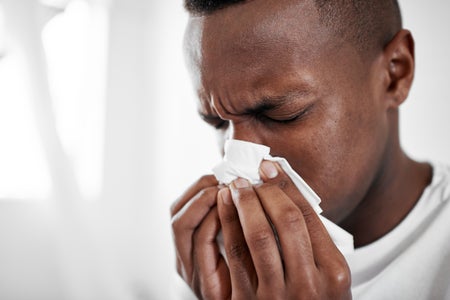
Why Some People Are Still Getting Sick—but Not with COVID
Despite pandemic precautions, the common cold and other illnesses are still circulating
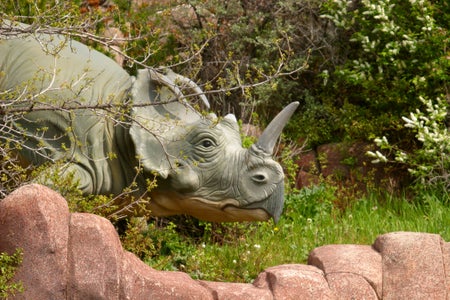
Dinosaurs Got Cancer, Too
Researchers seeking evidence for cancer in dinosaurs found it in a collection of bones at a paleontology museum in Alberta.