
NeurologyDecember 19, 2017
On Gender and Concussion Recovery: Let's Not Jump to Conclusions
What science knows about males, females and concussions
On Gender and Concussion Recovery: Let's Not Jump to Conclusions
What science knows about males, females and concussions
An Electrical Brain Switch Shuts Off Food Cravings
Could the temptation to dish up seconds (or thirds) be curtailed with an implant under the skull?


Do Brain-Wiring Differences Make Women More Vulnerable to Concussions?
Female axons—brain cells’ output cables—are shown to have a thinner structure

First Snapshot of Zika-Affected Toddlers Portends a Life of Struggle
Children exposed to the virus in utero are now missing developmental milestones

The Mystery of How Babies Experience Pain
We may be underestimating how much pain babies feel when they are under stress

Are Social Networking Sites Controlling Your Mind?
Users must decide if the benefits of these sites outweigh their costs, but can that decision be made freely if social networking sites are potentially addictive?
The Neuroscience of Changing Your Mind
New findings suggest it is more complicated than scientists thought

Mindfulness: Does It work?
Bad News for the Highly Intelligent
Superior IQs are associated with mental and physical disorders, research suggests
Even Unpalatable Foods Taste Good to the Brain
The brain’s natural opioids may also play a role in eating and energy balance
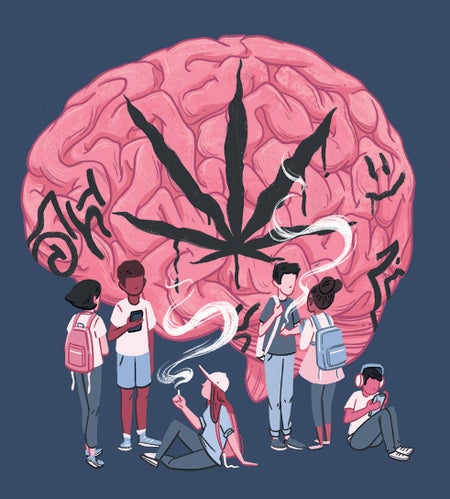
What Pot Really Does to the Teen Brain
How much should we worry?

Brain Scans Reveal Why Rewards and Punishments Don’t Seem to Work on Teenagers
One aspect of risk behavior in adolescents appears to be an apparent inability to match their behavior to the likely rewards (or punishments) that might follow