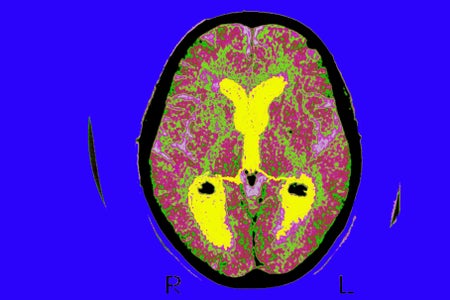
Brain Scans Reveal Why Rewards and Punishments Don’t Seem to Work on Teenagers
One aspect of risk behavior in adolescents appears to be an apparent inability to match their behavior to the likely rewards (or punishments) that might follow
Brain Scans Reveal Why Rewards and Punishments Don’t Seem to Work on Teenagers
One aspect of risk behavior in adolescents appears to be an apparent inability to match their behavior to the likely rewards (or punishments) that might follow
Ultrasound Could Offer Noninvasive Treatment for Parkinson’s and Depression
The prospect of focusing the beams without destroying tissue might someday diagnose or even restore faulty brain circuits


Nice Brains Finish Last
More “prosocial” brains are more prone to depression, study suggests

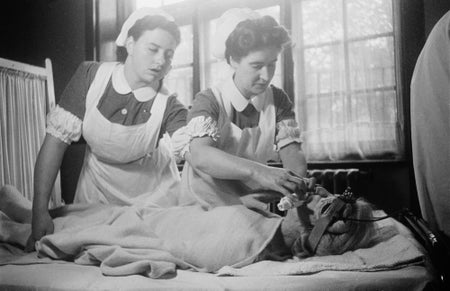
Beyond the Cuckoo’s Nest: The Quest for Why Shock Therapy Can Work
Nearly 90 years old, electroconvulsive therapy can rescue some people, but not others, from depression, bipolar and other mental disorders

Cetaceans’ Big Brains Are Linked to Their Rich Social Life
Studying whale and dolphin anatomy and behavior could offer insights into human evolution

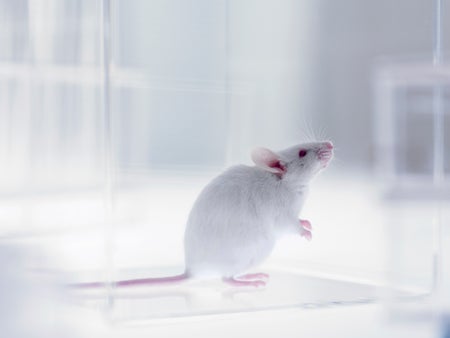
Sex Matters in Experiments on Party Drug—in Mice
Ketamine lifts rodents' mood only if administered by male researchers

Technology from Harry Potter Movies Brings Magic of Brain into Focus
Software lets scientists explore the brain in 3-D and perform “virtual dissections”

Sleep Locks in Bad Memories—and More from a Giant Brain Fest
A gargantuan annual neuroscience assemblage in Washington, D.C., draws tens of thousands to relate what they’ve learned about sleep, stress, depression—no fake facts allowed

Bill Gates Invests $100 Million of Personal Money to Fight Alzheimer’s
The billionaire philanthropist’s contribution will be followed by another $50 million in start-up ventures

Autism-Related Movement Problems Persist until Adulthood
Unusual gait, clumsiness and other motor difficulties are not just limited to kids with the disorder

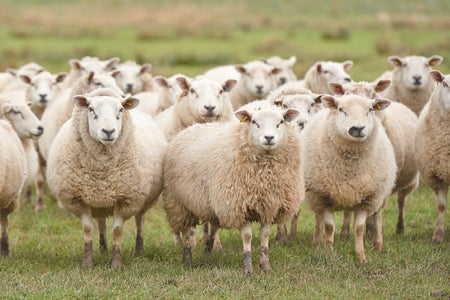
Sheep's Face-Reading Skills Stand Out from the Flock
With some training, sheep were able to select a celebrity's face over that of a stranger they'd never seen. Christopher Intagliata reports.

Here’s What We Think Alzheimer’s Does to the Brain
The main way the disease works is to disrupt communication between neurons, the specialized cells that process and transmit electrical and chemical signals between regions of the brain