

Potato chips! Does the mere mention of the salty snack send you searching for a vending machine? Well, you can blame the one-two punch of fat and carbohydrates, because a new study finds that foods high in both carbs and fats tickle the brain’s reward circuits more so than snacks that showcase just one or the other. The findings are served up in the journal Cell Metabolism. [Alexandra G. DiFeliceantonio et al., Supra-Additive Effects of Combining Fat and Carbohydrate on Food Reward]
“The energetic properties of foods play an important role in determining their value.”
Dana Small, professor of psychiatry at Yale University School of Medicine.
On supporting science journalism
If you're enjoying this article, consider supporting our award-winning journalism by subscribing. By purchasing a subscription you are helping to ensure the future of impactful stories about the discoveries and ideas shaping our world today.
The big players, calorically speaking, are fats and sugars. And the reason we desire them is because they activate our neural reward system, flooding those brain regions with the neurotransmitter dopamine. But studies show that fats and sugars trigger those rewarding bursts of dopamine in different ways.
“This really got us thinking. Modern processed foods like french fries, donuts, hamburgers and even yogurts contain high levels of fat and carbohydrate. In contrast, foods high in fat and carbohydrate are very rare, if they ever existed at all, in the natural food environment. So we wondered, if fat and carbohydrate both release dopamine, might it be the case that their simultaneous consumption produces a superadditive response, resulting in foods that are more reinforcing, calorie for calorie?”
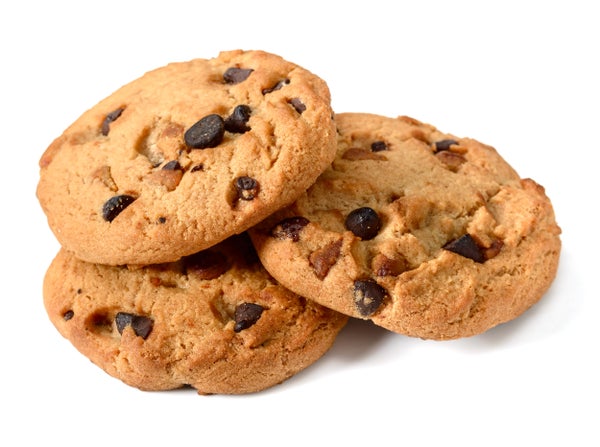
To find out, the researchers set up a sort of snack-attack auction. Participants were given some spending money, then shown pictures of familiar foods and invited to bid. The edible items fell into three categories: those high in fats but low in carbs, like cheeses; those packed with carbs but lacking fats, like pretzels; and those that were full of both, like cookies.
The results?
“We found that participants bid more money for foods that contained fats and carbohydrate than either macronutrient group alone, even though the food portions in the pictures had an equal number of calories across categories and they were equally liked.”
Alexandra DiFeliceantonio is an associate research scientist in Dr. Small’s lab.
“So that means that calorie for calorie, foods containing fat and carbohydrates are more reinforcing, or in other words, more valuable, than either macronutrient group alone.”
That additive effect of fats and carbs was apparent in brain imaging that was done as the participants prepared their bids.
“So we were able to demonstrate for the first time, in any species, that the value of food is not just related to the energy it provides or even how much we like it. Instead we provide evidence that these very old systems that developed to convey nutritional information to the brain are, in a way, tricked by modern foods that have nutrients in combinations not found in nature.”
The findings suggest how that crave-causing combination of carbs and fat can lead to overeating—and why even if you’re a tough cookie, you’ll likely crumble when presented with chocolate-chip goodies.
—Karen Hopkin
[The above text is a transcript of this podcast.]

