
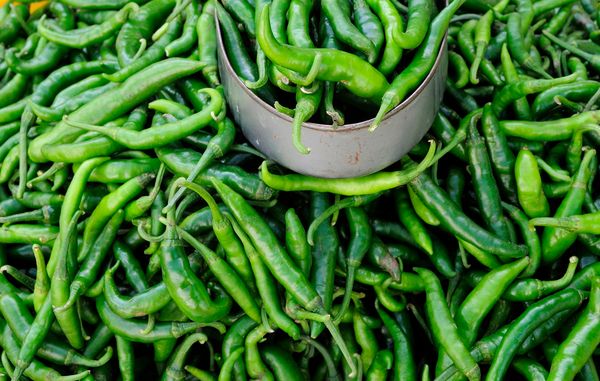
Taylor Farms, the produce distributor linked to the ongoing nationwide cyclosporiasis crisis, has issued a voluntary recall of products containing jalapeño peppers amid an outbreak of infections with Salmonella.
On Sunday Taylor Farms said the recall was initiated after receiving notice that Coast Citrus Distributors, which supplies Taylor Farms with jalapeños, had issued its own recall. The jalapeños were sourced from a grower in Sinaloa, Mexico. Taylor Farms said it was no longer getting products from that farmer and had turned to alternative suppliers.
The recall includes 20 food items distributed at retailers that include Kroger, Target, Trader Joe’s, Walmart and Whole Foods, among others. They include several varieties of dips, guacamoles and salsas.
On supporting science journalism
If you're enjoying this article, consider supporting our award-winning journalism by subscribing. By purchasing a subscription you are helping to ensure the future of impactful stories about the discoveries and ideas shaping our world today.
“To date, Taylor Fresh Foods is not aware of any reported illnesses linked to its products containing jalapeños,” the company said in a statement, which contains the full list of recalled items.
The recall days after the Centers for Disease Control and Prevention issued a food safety alert on August 5 that warned that Salmonella had been detected in 27 states and resulted in 345 cases and 36 hospitalizations but no deaths. Two national restaurant chains, Chipotle Mexican Grill and QDOBA, which had received peppers from Coast Citrus Distributors, stopped serving the jalapeños.
It’s been a summer marked by outbreaks of foodborne illnesses, and Taylor Farms has been implicated in the two most notable ones. The produce supplier had already been identified as a source of lettuce contaminated with Cyclospora, a microscopic parasite that has sickened more than 10,000 people, resulting in 517 hospitalizations and two confirmed deaths since May 1. (Both deaths and more than 6,000 cases have been linked to iceberg lettuce from Taylor Farms.) More than 12,000 other possible cases have not been confirmed with laboratory testing, according to the CDC.
Salmonella infection is a foodborne illness that can, much like cyclosporiasis, cause diarrhea. And both infections can occur after consuming water or food contaminated with infected human feces. But they are different: Salmonella infection is a bacterial illness and, in some cases, can be treated with antibiotics.