Climate ChangeAugust 18, 2020
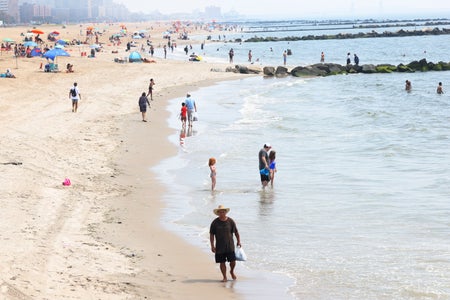
Extreme Heat Exposure Could Really Ramp Up in U.S. Cities
Unchecked climate change, urban development and population rise could all contribute to more people being exposed to punishing heat
Chelsea Harvey covers climate science for Climatewire. She tracks the big questions being asked by researchers and explains what's known, and what needs to be, about global temperatures. Chelsea began writing about climate science in 2014. Her work has appeared in The Washington Post, Popular Science, Men's Journal and others.
Extreme Heat Exposure Could Really Ramp Up in U.S. Cities
Unchecked climate change, urban development and population rise could all contribute to more people being exposed to punishing heat
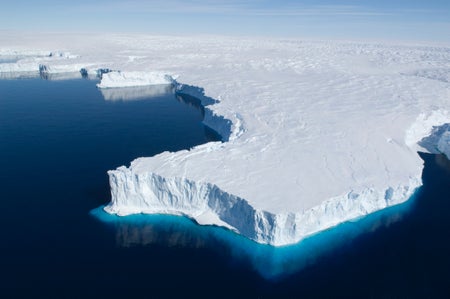
Antarctica’s Ice Shelves Have Lost Millions of Metric Tons of Ice
As these platforms are winnowed away, they imperil the continent’s glaciers and set the stage for further sea level rise
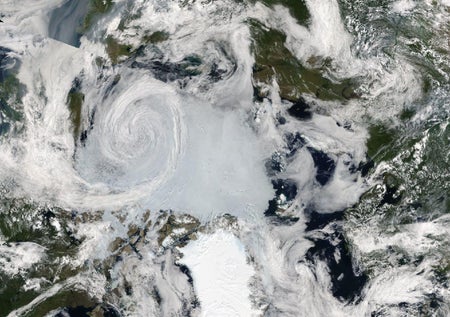
With Fires, Heat and a Cyclone, Arctic Breaks Melting Record
Sea ice loss could ultimately beat the record low season of 2012
Worst- and Best-Case Scenarios for Warming Less Likely, Groundbreaking Study Finds
The research narrows the range for how much Earth’s average temperature may rise if CO2 levels are doubled

Drop in Global Travel May Have Hurt Weather Forecasts
Commercial planes and ships usually gather valuable data to feed into weather models
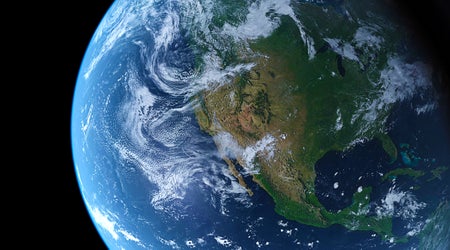
Worrisome Signs Emerge for 1.5-Degree-C Climate Target
There is a 24 percent chance that global average temperature could surpass that mark in the next five years
Slash CO2, Then Wait—and Wait—for Temperatures to Drop
Climate action today will take decades to manifest in global temperatures because of “climate inertia”
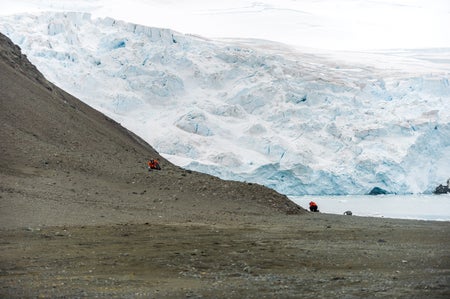
Why Is the South Pole Warming So Quickly? It’s Complicated
Much of the warming is linked to natural climate cycles happening thousands of miles away in the tropics
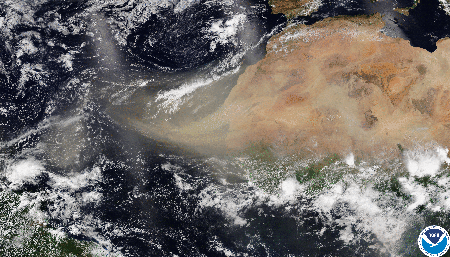
Saharan Dust Plume Slams U.S., Kicking Up Climate Questions
Whether these plumes—which can dampen hurricane activity and irritate lungs—will become more common with warming is unclear
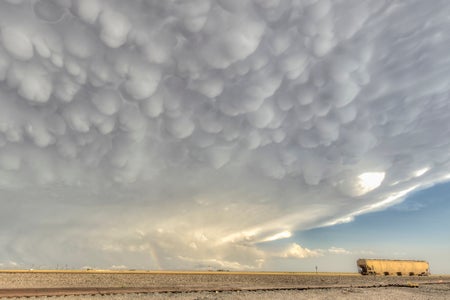
Clouds May Be the Key to a Climate Modeling Mystery
Newer models show more future warming than previous ones, and it may be due to how they incorporate clouds
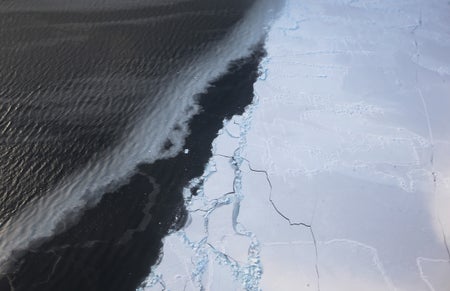
Declining Antarctic Sea Ice Could Disrupt a Major Carbon Sink
Ancient ice and sediment samples show that extensive sea ice in the past helped halt the rise of carbon dioxide

Summer Weather Won’t Save Us from Coronavirus
Though hotter, humid weather can dampen transmission, it is not enough to significantly curtail the pandemic
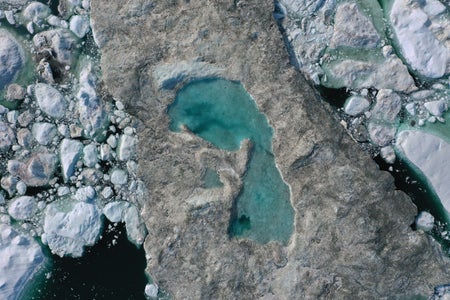
High Temperatures Set Off Major Greenland Ice Melt—Again
An Arctic heat wave ushered in the start of the melt season two weeks earlier than average
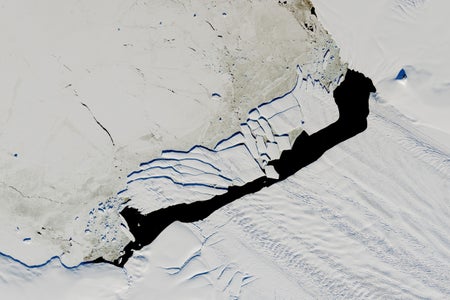
Rapid Antarctic Ice Melt in the Past Bodes Ill for the Future
Geological evidence shows glaciers retreated by as much as 6 miles in a year at the end of the last ice age
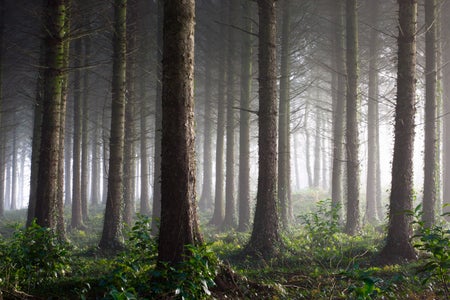
Because of Rising CO2, Trees Might Be Warming the Arctic
Less water loss from plants causes the surrounding air to warm, and currents can transport that heat poleward
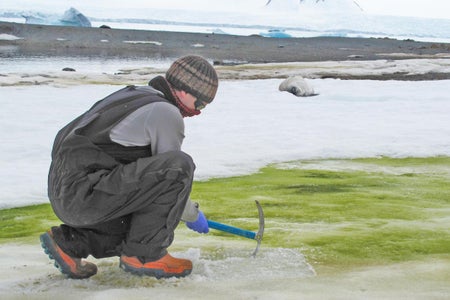
In Summer, Antarctic Snow Turns Green with Algae
Climate change could impact where the blooms, likely important to the local ecosystem, appear
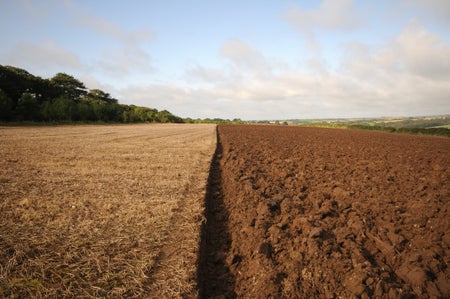
Soils Store Huge Amounts of Carbon, Warming May Unleash It
Higher temperatures and wetter weather may spur soil microbes to release more carbon into the atmosphere
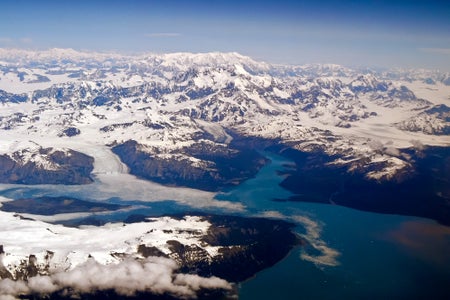
Warming Caused a Glacier in Alaska to Collapse
Pooling meltwater destabilized the glacier, sending an avalanche of ice down a mountainside
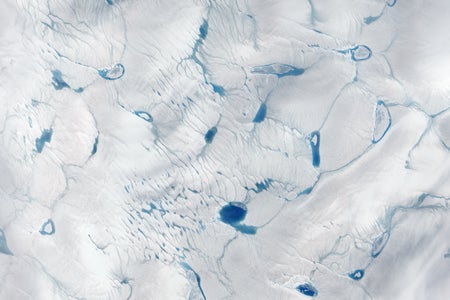
New Satellite Gives Clearest View Yet of Polar Ice Melt
Ice lost by Greenland and Antarctica outweighs any gains from accumulating snow, measurements from NASA’s ICESat-2 show
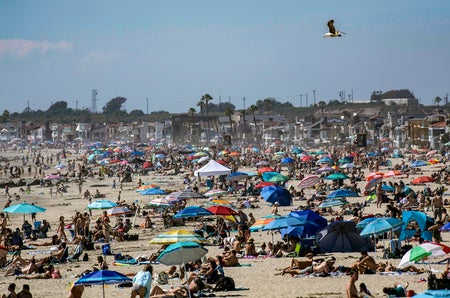
Summer Presents Dangerous Choice: Swelter in Quarantine or Risk Contagion
Extreme heat is deadly to many of the same populations that are most vulnerable to COVID-19
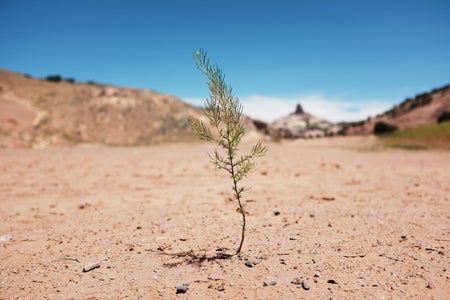
Climate Change Has Helped Fuel a Megadrought in the Southwest
Data from tree rings suggest this drought is the worst in the region in 500 years
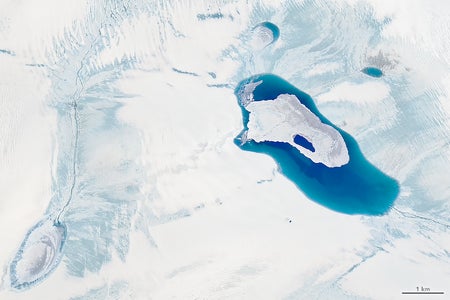
Persistent Cloudless Skies Helped Fuel Exceptional Greenland Ice Melt
Warm temperatures, clear weather and little snow all played a role in last summer’s major melt event on the ice sheet
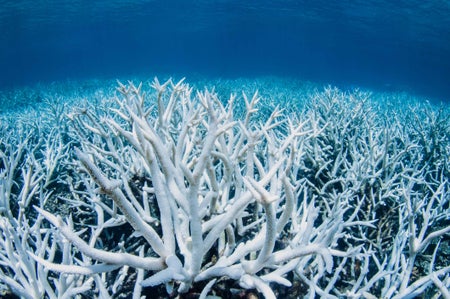
Rising Temperatures May Push Ecosystems Past Their Limits
Climate change could expose species to temperatures they have never before experienced
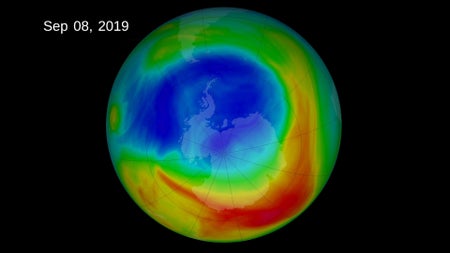
Shrinking Ozone Hole, Climate Change Are Causing Atmospheric “Tug-of-War”
The Southern Hemisphere jet stream is shifting, bringing more rain to some spots and less to others