AnimalsSeptember 2, 2026
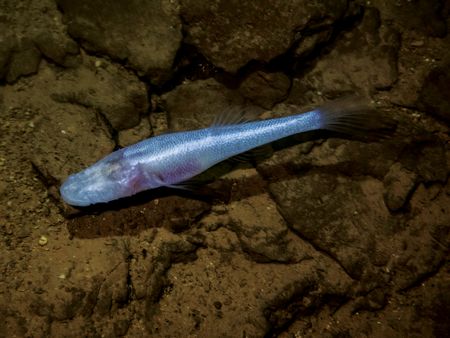
Newly discovered ‘demon cave fish’ hid out in Alabama military installation for 40 years
Scientists named this oddball creature after the Demogorgon from Stranger Things
Elizabeth Anne Brown is a freelance science journalist based in New Jersey. Her work has appeared in the New York Times, National Geographic, MIT Tech Review, and many other outlets. Read more at elizabeth-anne-brown.com.
Newly discovered ‘demon cave fish’ hid out in Alabama military installation for 40 years
Scientists named this oddball creature after the Demogorgon from Stranger Things
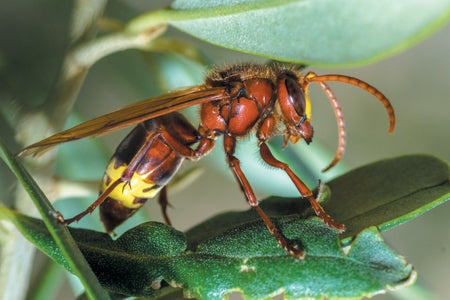
Earth is home to 20 million insect species—three times more than we thought
Some creative calculations using bug traps, epidemiology and trees suggest there are some 20 million unique insect species on Earth
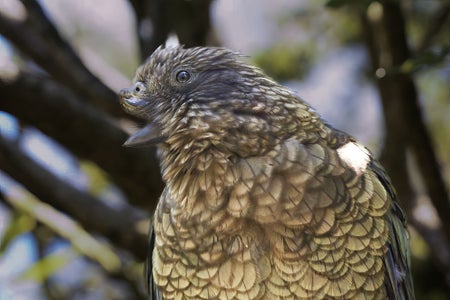
Meet Bruce, the parrot with a broken beak that he wields as a weapon
Bruce the Kea parrot is missing the upper half of his beak, but he has turned this disability into a weapon to keep subordinates in line
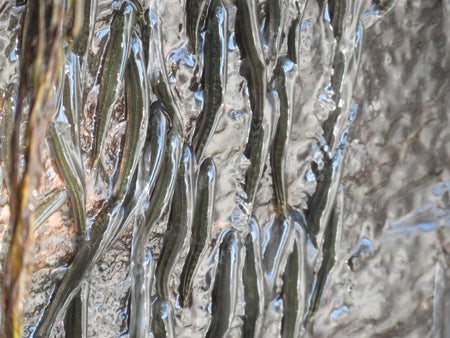
See these ziti-sized fish scale a 50-foot waterfall
These tiny fish use friction to put human rock climbers to shame
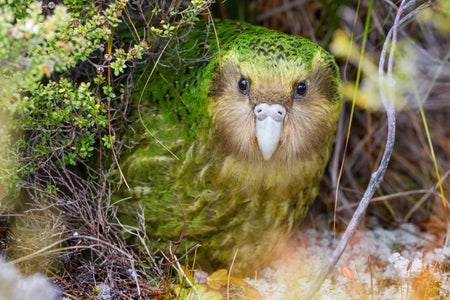
Love Island: Rare berry bonanza spurs Kākāpō baby boom
A massive bloom of rimu berries fueled a mating surge among the world’s heaviest (and strangest) parrots

The hidden threat eating away at museum treasures
Extremophile molds are invading art museums and devouring their collections. Stigma and climate change have fueled their spread
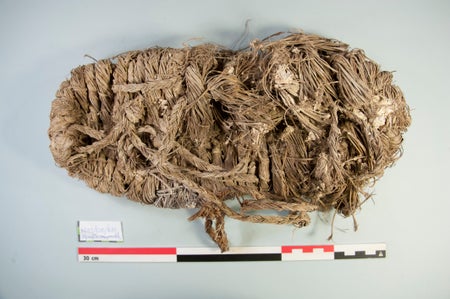
Ancient Vulture Nests Reveal 600 Years of Human History—Including 25 Shoes
Cliff-rappelling scientists uncovered a crossbow bolt, part of a slingshot and 25 shoes in ancient vulture nesting sites
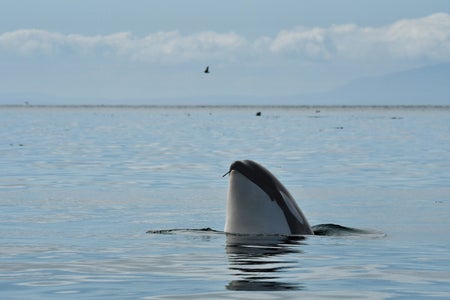
Orcas’ Killer Skin-Care Routine Relies on Kelp—And Help
Massaging one another with kelp could help orcas keep their skin healthy
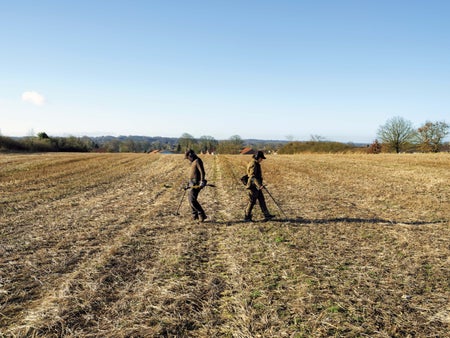
Denmark’s Radical Archaeology Experiment Is Paying Off in Gold and Knowledge
The Danish government deputized private detectorists to unearth artifacts buried in farm fields. Their finds are revealing the country’s past in extraordinary detail
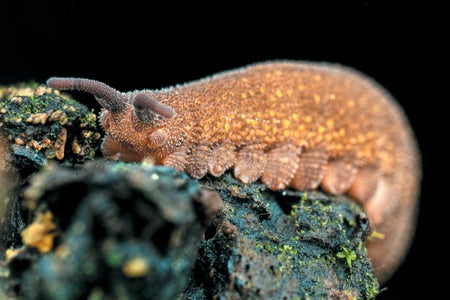
Velvet Worm Slime Reveals Its Sticky Secrets
The velvet worm’s extraordinary goo could inspire recyclable bioplastics
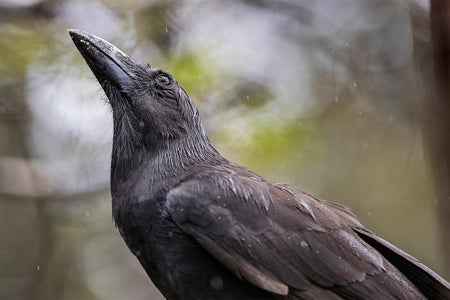
Hawaiian ‘Soul Guide’ Crow Returns to the Wild in Conservation Win
The Hawaiian crow, or ‘alalā, has been extinct in the wild since 2002. A new effort to reintroduce birds of this species—considered important guides to the souls of the dead in Hawaiian tradition—is underway
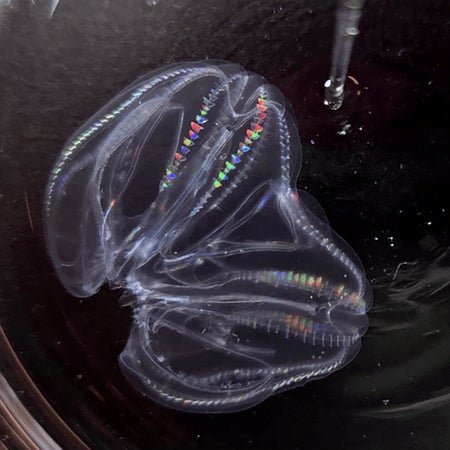
Comb Jelly with Two Butts Is Actually Two Individuals Fused Together
Two injured sea creatures merged to form a “Franken-jelly”
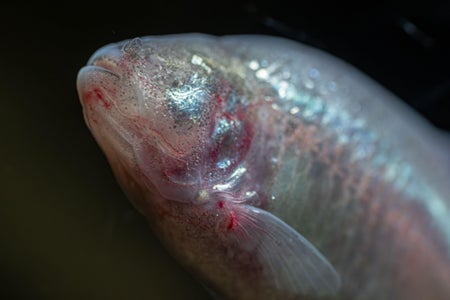
Cave Fish Adolescence Means Sprouting Taste Buds in Weird Places
Cave fish develop taste buds on their head and below their chin—and even in humans, taste cells grow in truly unexpected locations
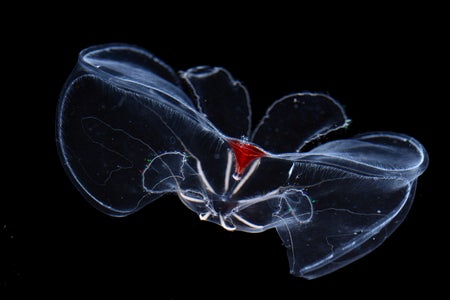
How Delicate Comb Jellies Withstand Crushing Depths—But Melt Away on Land
Scientists finally know how a gelatinous deep-sea creature keeps its cells from paralysis under pressure
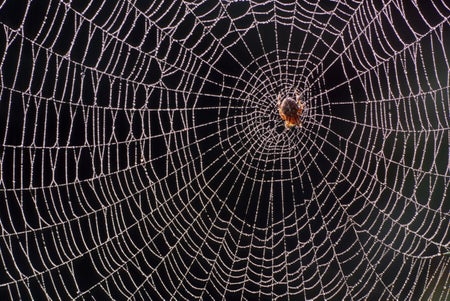
Spiderweb Thread Inspires Ultrasmall Microphones
Sound recording could take a cue from arachnid acoustics
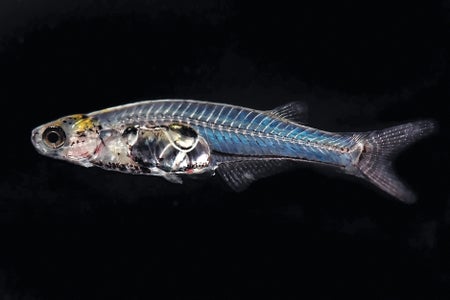
This Tiny Fish Makes an Ear-Blasting Screech for Love
A rice-grain-size fish screams louder than a jackhammer—and we have a lot to learn from its minuscule brain
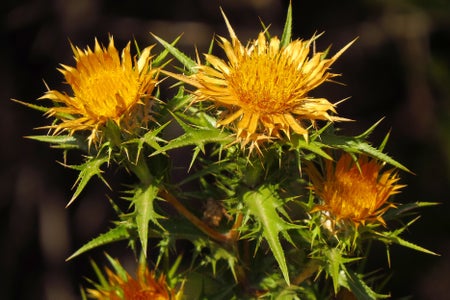
This Flower Refrigerates Itself to Survive Scorching Summers
A humble thistle blossom in southern Spain somehow keeps itself up to 18 degrees Fahrenheit cooler than the surrounding air
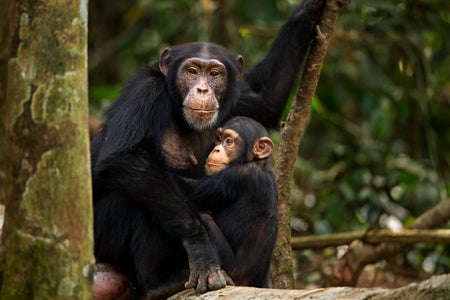
Chimpanzees and Bonobos Have Surprisingly Different Parenting Styles
Chimpanzee “helicopter moms” often protect their offspring from bullies, but bonobo moms are more hands-off
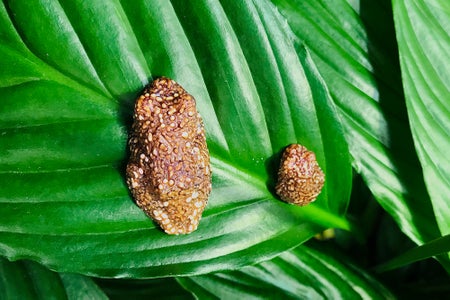
This Flying Frog Spends Its Youth Masquerading as Poop
These froglets disguise themselves as feces to gross out potential predators until they’re old enough to glide through jungle canopies
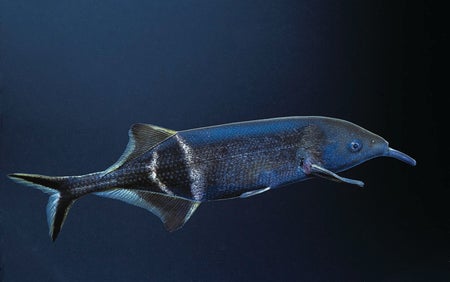
Elephantnose Fish ‘Sees’ by Doing an Electric Boogie
The goofy-looking elephantnose fish “sees” its environment in three dimensions by creating a weak electric field and doing a little shimmy