EarthMarch 20, 2020
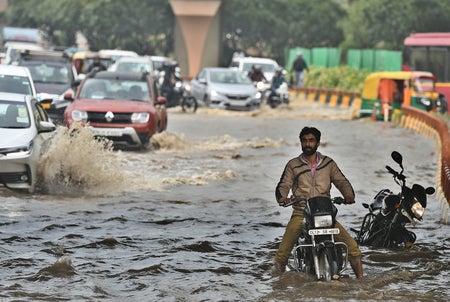
In Just 10 Years, Warming Has Increased the Odds of Disasters
The likelihood of extreme events today is being underestimated, new research suggests
In Just 10 Years, Warming Has Increased the Odds of Disasters
The likelihood of extreme events today is being underestimated, new research suggests
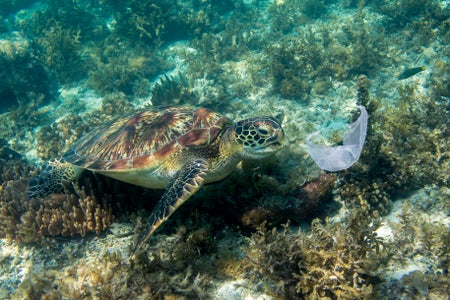
Ocean Plastic Smells Great to Sea Turtles
Ocean plastic gets covered with algae and other marine organisms, making it smell delicious to sea turtles—with potentially deadly results.

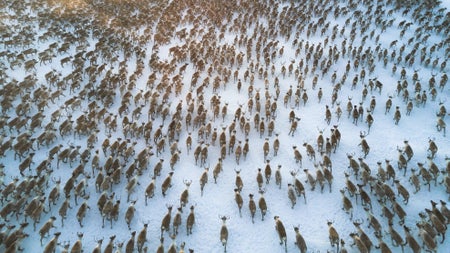
Packing the Tundra with Animals Could Slow Arctic Melt
Herds of reindeer or other species could help pack down snows to protect permafrost
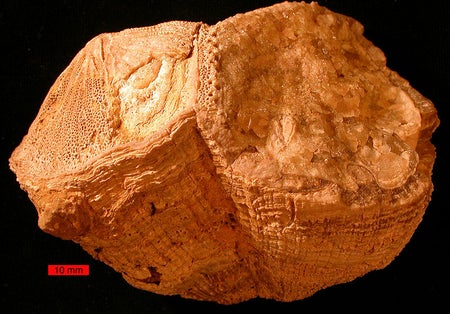
Ancient Clam Shell Reveals Shorter Day Length
The growth layers in a 70-million-year-old clam shell indicate that a year back then had more than 370 days, with each day being only about 23.5 hours.
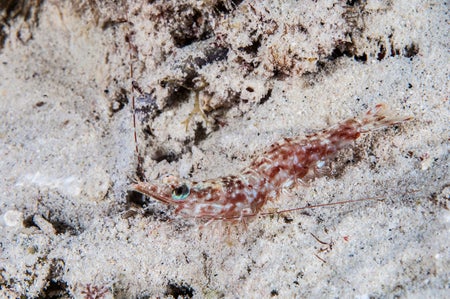
Snapping Shrimp Make More Noise in Warmer Oceans
As oceans heat up, the ubiquitous noise of snapping shrimp should increase, posing issues for other species and human seagoing ventures.
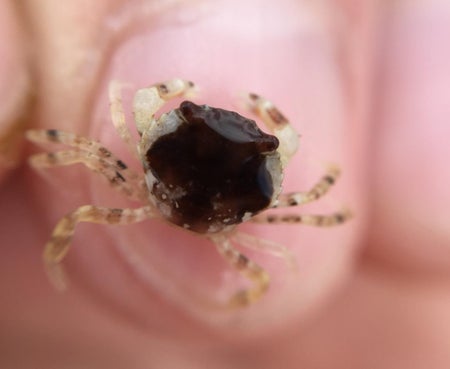
Stress from Undersea Noise Interferes with Crab Camouflage
In an example of how sea noise can harm species, exposed shore crabs changed camouflaging color sluggishly and were slower to flee from simulated predators.

The New Cosmos: A Conversation with Ann Druyan
Emmy and Peabody Award–winning science writer, producer and director Ann Druyan talks about Cosmos: Possible Worlds, the next installment of the Cosmos series.
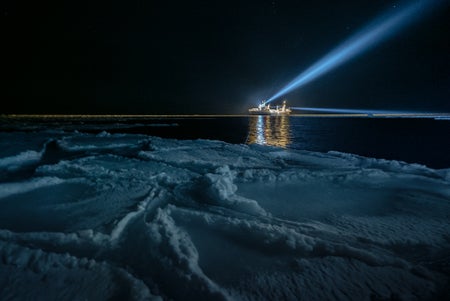
Arctic Exploitation May Harm Animals Large and Small
As the region warms, ignorance about creatures ranging from plankton to whales leaves them vulnerable to human activities
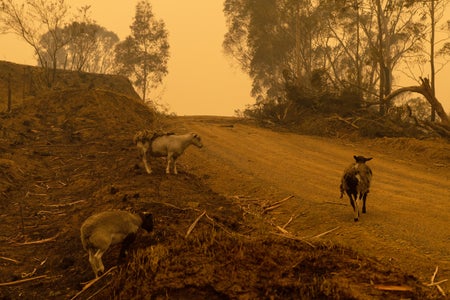
Yes, Climate Change Did Influence Australia’s Unprecedented Bushfires
Such an extreme fire season is at least 30 percent more likely because of global warming, a new analysis finds
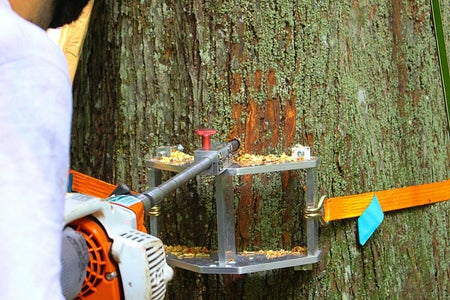
Indigenous Amazonians Managed Valuable Plant Life
Studies on very old vegetation in the Amazon basin show active management hundreds of years ago on species such as Brazil nut and cocoa trees.
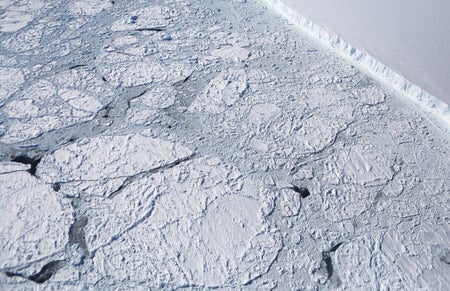
Map of Antarctica’s Bedrock Reveals Vulnerabilities
A new view of the frozen continent could improve predictions for sea-level rise
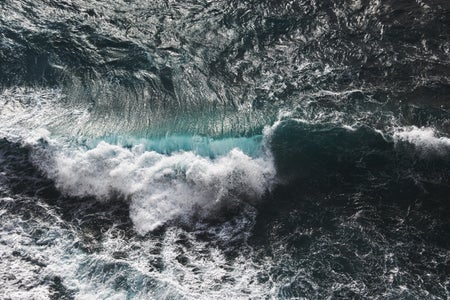
The Ocean’s Swirling Currents Are Migrating Poleward
The shift, which may be linked to climate change, can affect sea levels and the distribution of heat and nutrients