ConservationAugust 28, 2018
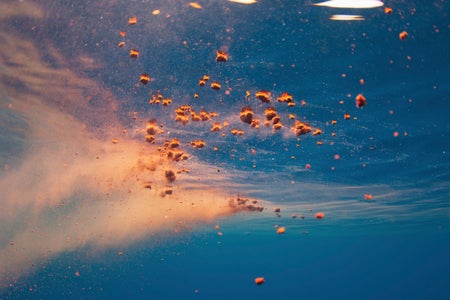
How Whale Poop Could Counter Calls to Resume Commercial Hunting
Whales’ fecal matter feeds the ocean, giving conservationists another argument for saving them
How Whale Poop Could Counter Calls to Resume Commercial Hunting
Whales’ fecal matter feeds the ocean, giving conservationists another argument for saving them
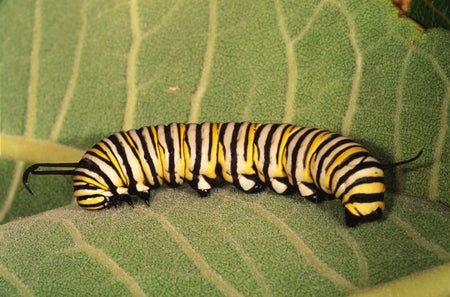
Rising CO2 Means Monarch Butterfly Bellyaches
Milkweed grown with more carbon dioxide in the air supplies fewer toxins to monarch butterflies that need the toxins to fight off gut parasites.

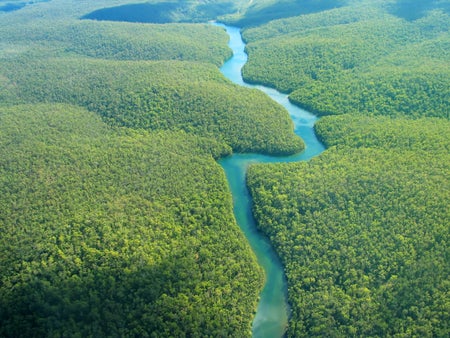
Plants Dominate the Planet's Biomass
About 80 percent of Earth's biomass is plant life, with humans about equal to krill way down the heft chart.
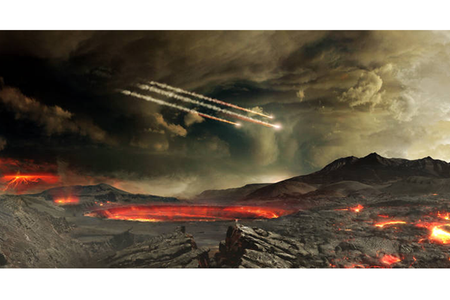
Meteorites May Have Created Some of Earth’s Oldest Rocks
A barrage of impacts more than four billion years ago is linked to ancient stones found in Canada
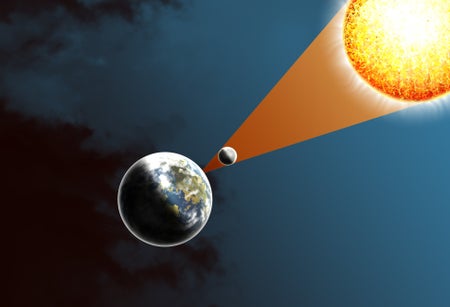
Solar Eclipse of 2017 Boosted Science Interest
The Michigan Scientific Literacy Survey of 2017 found that last year's total solar eclipse got Americans more interested in celestial science.

To Evolve Baleen, Lose Your Teeth First
Whale ancestors probably never had teeth and baleen at the same time, and only developed baleen after trying toothlessness and sucking in prey.
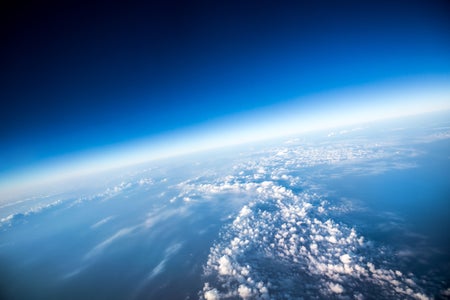
The Mysterious Return of Ozone-Depleting CFCs
CFCs, the harmful ozone-depleting chemicals banned back in the 1980s, are experiencing a mysterious comeback
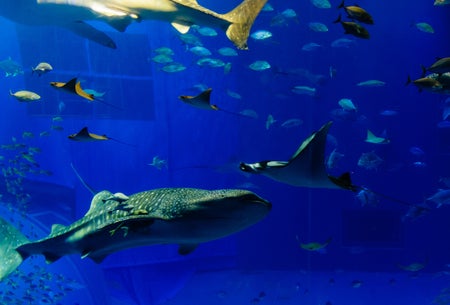
Astronomy Tool Helps ID Sharks
Shark researchers used a system for recognizing patterns in star field photographs to identify whale sharks, which have individual spot patterns.
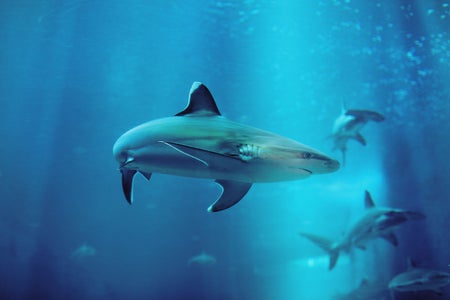
Sharks Make a Splash in Brooklyn
Visitors can see and learn about sharks and their environment in the new "Ocean Wonders: Sharks!" facility at the Wildlife Conservation Society's New York Aquarium.
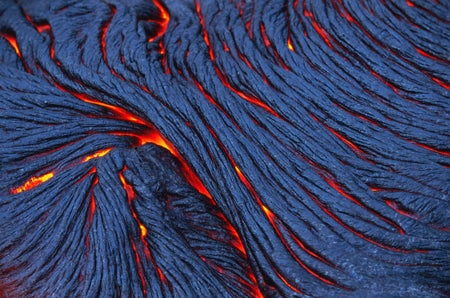
Hawaii Volcano Terms Explained [Slide Show]
From a'a to vog, a guide to the terminology used to describe the ongoing eruption of Kilauea
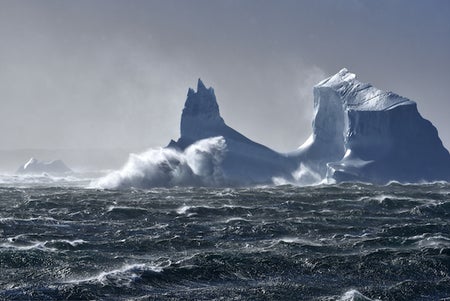
Welcome to Scientific American's New Climate Science Column
It’s about this beautiful, messy, funny, tragic planet and the terrible, wonderful humans who live here
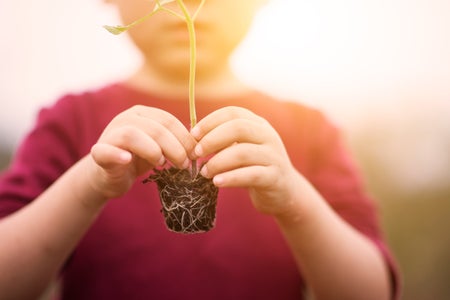
6 Ways to Bring a Little STEM to Your Summer
Whether inside or outdoors, looking up or digging down, the summer is full of textbook-free ways to enjoy some science