EngineeringFebruary 1, 2017
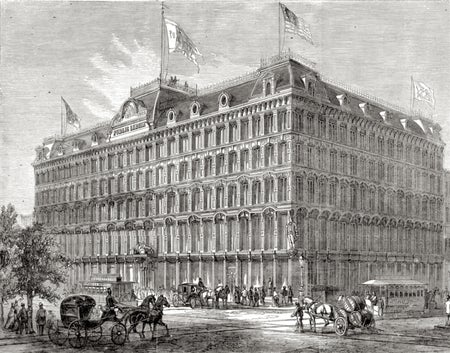
The Grand Face of Public Architecture, 1867 [Slide Show]
Images from the Archive of Scientific American
The Grand Face of Public Architecture, 1867 [Slide Show]
Images from the Archive of Scientific American
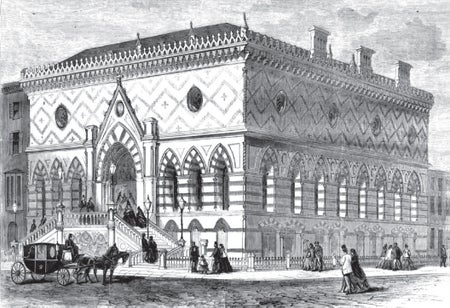
1967: Gene Therapy Might Cure Many Illnesses; 1867: The Grandeur of Public Architecture
Innovation and discovery as chronicled in Scientific American


A New Antarctic-Proof Greenhouse Heads South to Polar Scientists

Aquatic Robot Braves Volcanoes and Typhoons to Detect Tsunamis
A drone will circle the world’s newest volcanic island, near Japan, to warn of devastating waves

50th Anniversary of Apollo 1 Fire: What NASA Learned from the Tragic Accident
January 27 marks the 50th anniversary of the first major, deadly disaster for the U.S. space program
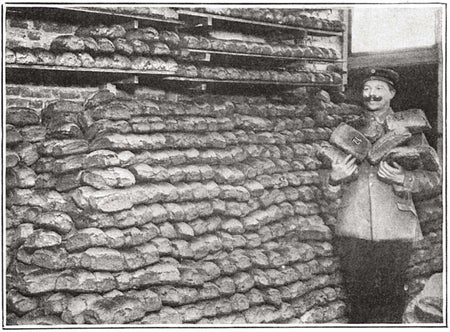
Starvation and Propaganda as Weapons of War, 1917
Reported in Scientific American, this Week in World War I: January 27, 1917

New Exosuit Fabric Could Boost Mobility in People with Disabilities
Knitting and weaving artificial muscles could help create soft exoskeletons that people with disabilities could wear under their clothes to help them walk, according to new research

Plant Biologists Welcome Their Robot Overlords
Old-school areas of plant biology are getting tech upgrades that herald more detailed, faster data collection

Robots, Apps and Brain Scans: New Tools to Help the Autistic Child
Technology can improve communication and curb social isolation of kids with autism
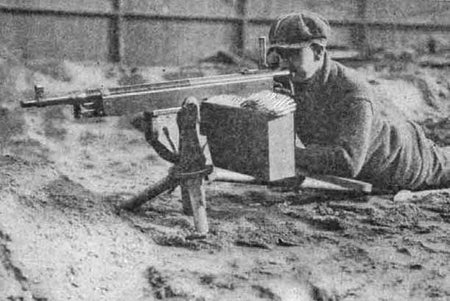
Manufacturing Machine Guns by the Thousand, 1917
Reported in Scientific American, this Week in World War I: January 13, 1917
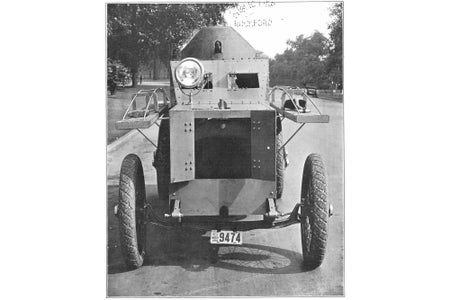
The Invention of the Armored Battlefield, 1917
Reported in Scientific American, this Week in World War I: January 6, 1917

Concrete Defects Could Become Strengths
By optimizing the imperfections in concrete, manufacturers could make the material tougher and stronger—allowing builders to use less of it. Christopher Intagliata reports.