Quantum ComputingJune 2, 2026
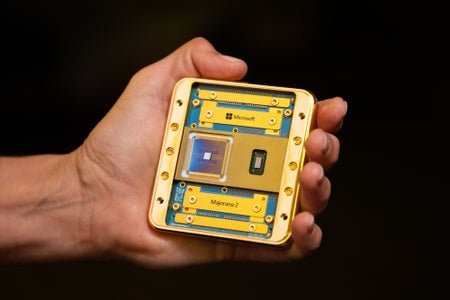
Microsoft’s new quantum computer chip has a fundamental problem
Microsoft’s announcement of a new quantum computing breakthrough with its Majorana 2 chip continues a trend of bold claims followed by scant evidence
Microsoft’s new quantum computer chip has a fundamental problem
Microsoft’s announcement of a new quantum computing breakthrough with its Majorana 2 chip continues a trend of bold claims followed by scant evidence
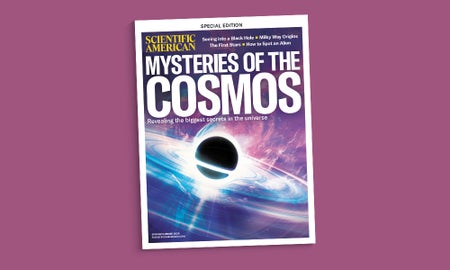
Questioning everything
Where did stars, and light itself, come from? Is there a hidden sector of particles and forces called “dark energy” affecting the cosmos?

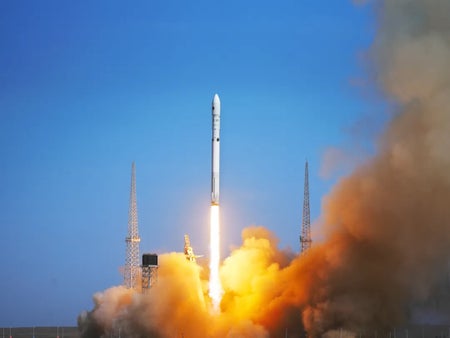
China launches rival rocket to SpaceX Falcon 9 for the first time
China apparently didn’t issue any airspace or maritime notices ahead of the maiden launch of this rocket on Monday

These exotic particles could break physics
‘Penguin’ decays from CERN’s latest Large Hadron Collider experiment hint at weird new physics
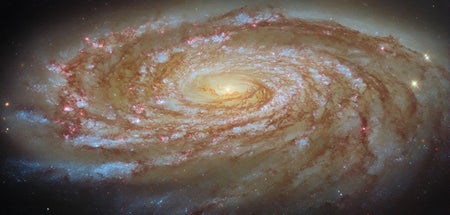
NASA’s Hubble captures gorgeous new photo of a spiral galaxy as it wanders through the Virgo Cluster
Messier 88 is an active galaxy with a central supermassive black hole that is gobbling up gas and dust

Blue Origin’s New Glenn rocket explodes in massive fireball, imperiling NASA moon missions
The latest flight of the New Glenn rocket was meant to prepare Blue Origin for a series of NASA-funded lunar voyages. Instead it ended before it began
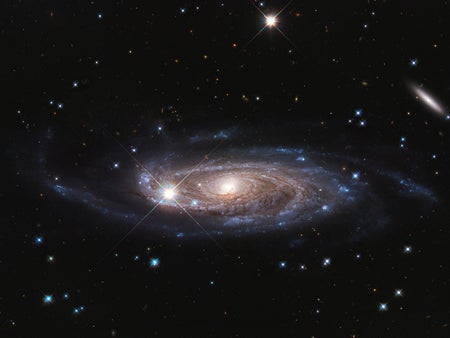
What’s the biggest galaxy in the universe?
Deep surveys of the sky have turned up galaxies vastly larger than our own. Are there even bigger ones yet to be seen?
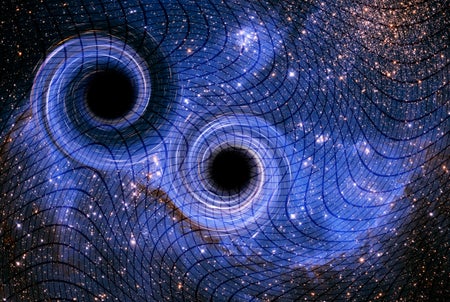
The ‘age of gravitational astronomy’ is here
A record-setting collection of precisely measured gravitational waves reveals new information about how black holes behave and evolve

NASA unveils its first moon base rovers and landers
At an event at NASA Headquarters, space agency officials unveiled the first rovers and landers headed to the future site of its planned lunar south pole outpost
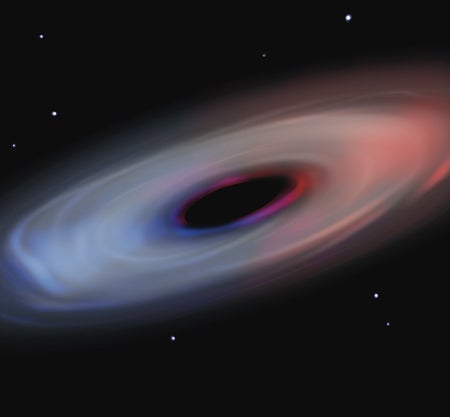
Gigantic, ancient black hole threatens to upend cosmic history
Debate still swirls around the nature of “little red dots,” black holes glimpsed in the early universe by the James Webb Space Telescope. A controversial new weigh-in may settle the matter
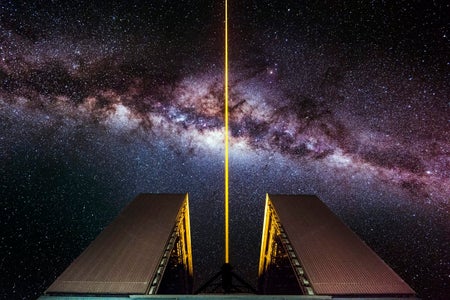
Tiny quantum computers could lead to supersized telescopes
Advances in quantum technology might allow astronomers to circumvent age-old issues that limit the size of optical observatories
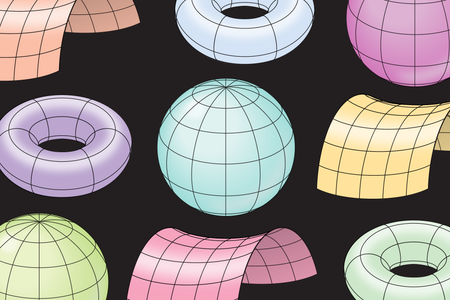
The universe could have 18 possible shapes
Our universe appears flat—but this observation still leaves plenty of options for its true shape. In fact, our cosmos could resemble a donut