
NASA is gearing up to launch a new crew to the International Space Station (ISS). But after an unprecedented evacuation of four astronauts from the station last month—a first in the history of the ISS—the space agency is especially emphasizing safety this time around.
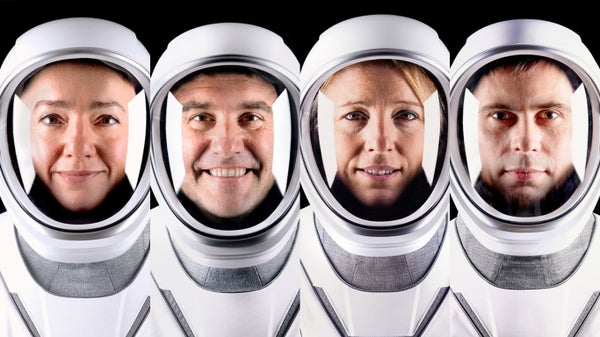
The upcoming Crew-12 consists of NASA astronauts Jessica Meir and Jack Hathaway, European Space Agency astronaut Sophie Adenot and Russian cosmonaut Andrey Fedyaev. Currently, Crew-12 is set to launch sometime in the next two weeks—the exact date has not yet been confirmed because NASA plans to launch Artemis II, its first crewed mission to the moon in more than 50 years, in the next week and a half.
Crew-12 is the replacement for Crew-11, which was evacuated from the space station weeks ahead of schedule because of an undisclosed medical condition affecting one of the astronauts in the team.
On supporting science journalism
If you're enjoying this article, consider supporting our award-winning journalism by subscribing. By purchasing a subscription you are helping to ensure the future of impactful stories about the discoveries and ideas shaping our world today.
At a press conference on Friday, NASA associate administrator Ken Bowersox emphasized the safety of both the Crew-12 and Artemis II missions as paramount to deciding when, exactly, the former will launch to the station. Artemis II is set for a wet dress rehearsal, a crucial test of its fueling systems, on Monday. How that goes will determine when it launches; NASA has suggested the launch will occur no earlier than February 8. If that date shifts back further, it could also push back Crew-12’s departure from Earth.
Nodding to two of NASA’s worst moments in human space exploration, the Challenger and Columbia disasters, in which 14 astronauts in total died, Bowersox said that any launch in the month of January or February has always weighed on people’s mind a NASA. “If you look back in history, that’s when we’ve lost spaceflight crews in the past,” Bowersox said. “We always think about how we can operate our mission safely, and I just want to reassure you that that’s always in the front of our minds as we’re working on these missions.”
The agency’s work to coordinate the return of Crew-11 and the launches of Artemis II and Crew-12 within such a short time span has been particularly tricky, he said.
On Friday NASA officials said there were no additional medical tests for Crew-12 or other changes to the protocol for preparation ahead of living on the ISS, given the medical issue that caused Crew-11’s sudden return. At a separate news conference on Friday, NASA astronaut Meir confirmed that the four members of Crew-12 had not undergone any additional health testing.
Dina Contella, NASA’s International Space Station Program deputy manager, said the ISS is ready to receive Crew-12, although she acknowledged the crew members’ arrival would be unusual. Departing crews typically have some time to show their replacements some of the quirks of the ISS. But when Crew-12 arrives, the crew members will be greeted by NASA astronaut Chris Williams, who will be able to show them the ropes.
“We’re not tracking any problems whatsoever with not having that direct handover,” she said.
Meir said the four members of Crew-12 have been in contact with Crew-11 since the latter returned to the ground. “We don’t think there’ll be any hiccups along the way,” she said.