CultureSeptember 16, 2026
Unexplainable and Scientific American examine the mysteries science can’t yet explain
Rachel Feltman joins Vox’s Unexplainable to discuss the enduring mysteries that continue to challenge science
Rachel Feltman is former executive editor of Popular Science and forever host of the podcast The Weirdest Thing I Learned This Week. She previously founded the blog Speaking of Science for the Washington Post.
Unexplainable and Scientific American examine the mysteries science can’t yet explain
Rachel Feltman joins Vox’s Unexplainable to discuss the enduring mysteries that continue to challenge science
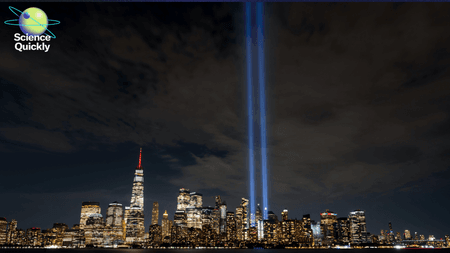
New 9/11 records, a controversial AI math breakthrough and the hidden costs of the AI boom
As new 9/11 documents emerge, AI transforms math and fuels debates over pollution, power and progress

Can an AI chatbot replace human connection?
What do we lose when machines become our closest confidants?

New science shows we crave both close friends and large networks
Assistant professor of psychology Jessica Ayers’s new research challenges assumptions about the kind of friendships we need
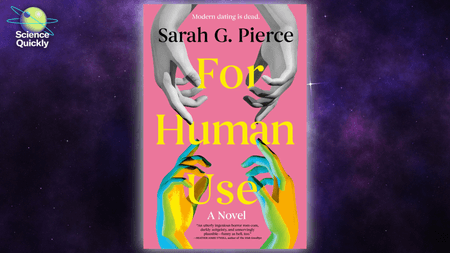
Can technology optimize companionship? A novelist imagines the extreme answer
Author Sarah Pierce explores dating apps, loneliness and human connection through a novel about a corpse-matching algorithm
The hackers protecting America’s water supply
Cybersecurity experts are volunteering to keep America’s utilities safe from attacks
NASA launches Roman Space Telescope to uncover the universe’s biggest mysteries
NASA’s Nancy Grace Roman Space Telescope is on a mission to probe dark energy, hunt for distant worlds and transform our view of the universe
The Endangered Species Act is getting weaker
Recent changes to the implementation of the Endangered Species Act could put wildlife at risk
Sperm health may matter more for pregnancy than we realized
New recommendations spotlight sperm’s role in recurrent miscarriage
Melting Arctic ice, threatened forests and the growing toll of extreme weather
Forests, extreme weather and the realities of a warming world
Researchers test magic mushrooms as an anorexia treatment
Researchers are exploring whether magic mushrooms could offer a new treatment for anorexia
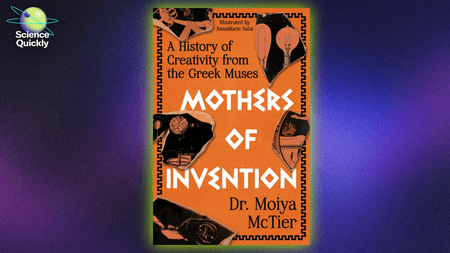
How the history of human creativity can help us navigate the age of AI
Moiya McTier explores what makes human creativity unique in the age of AI
Total eclipse wonder, vaccine misinformation and the strongest case yet for coffee
From eclipse awe to vaccine debate, earthquake recovery and coffee’s benefits
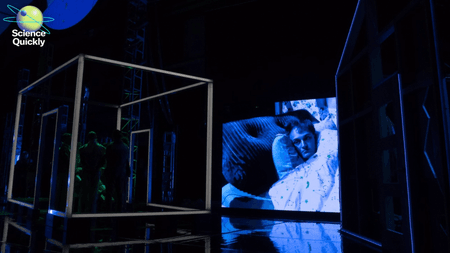
The unlikely opera star: How AI helped a nonspeaking performer find his voice
What if artificial intelligence is used to amplify human creativity rather than replace it?
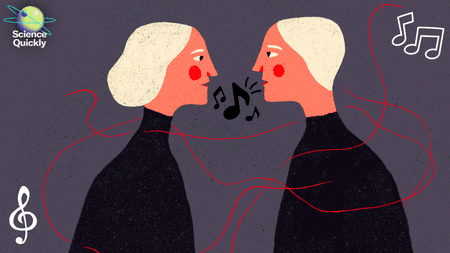
Could humans learn a language made entirely of music?
Linguists explain how a language built from musical notes could convey complex meaning and even support conversation
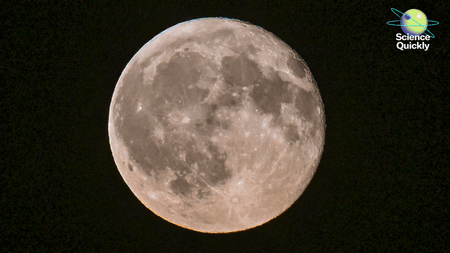
SpaceX moon crash, water utility cyberattacks and a new mRNA flu shot
Scientists analyze an accidental SpaceX impact on the moon as cyberattacks target U.S. water systems and a new mRNA flu vaccine is approved by the FDA

Why experts are worried cigarette smoking could be making a comeback among Gen Z
Smoking rates remain low, but experts say social media, stress and shifting attitudes could be fueling a cigarette revival
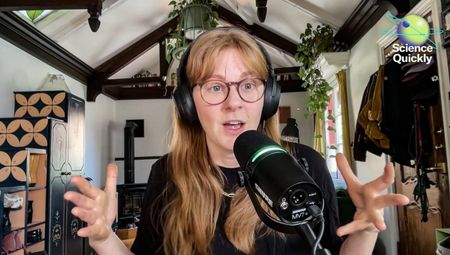
YouTube inventor Simone Giertz turned robot comedy into a science career. Here’s how
The Swedish engineer influencer has spent over a decade on YouTube growing a loyal audience of over 2.5 million followers, but for her, the journey was all about living a less typical life in science.
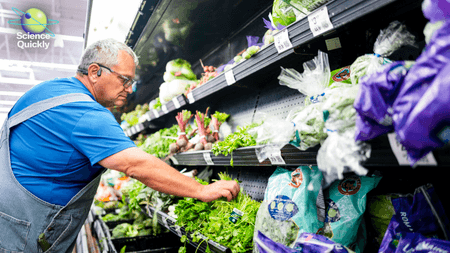
Your salad could make you sick. Your protein obsession might not help, either
An outbreak of Cyclospora infections tied to produce spreads across multiple states as new research challenges the protein maxxing craze
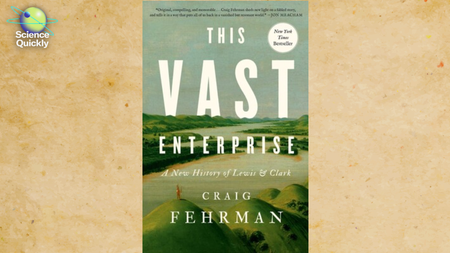
The untold science and drama of Lewis and Clark’s expedition
Historian Craig Fehrman unpacks the science, politics and human stories behind one of America’s most famous expeditions
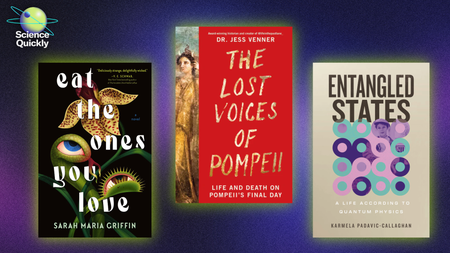
Sciencey summer books we love: Pompeii, quantum physics, and more
SciAm books editor Bri Kane shares her favorite science books for every summer mood
The science books our editors can’t stop recommending this summer
From ecohorror to science-inspired poetry, discover the books Scientific American staffers are recommending this summer
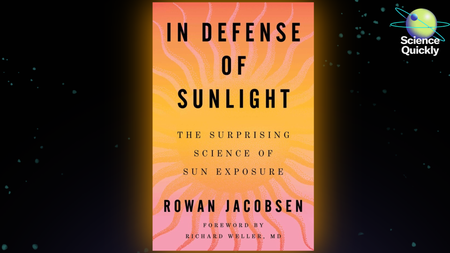
Are we too afraid of the sun? Scientists rethink sun exposure risks and benefits
Could sunlight actually improve your health? New research suggests we may need to rethink total sun avoidance

Ebola cases surge, the World Cup heats up, and fatherhood changes the brain
What’s going on with the Ebola outbreak, how the World Cup is dealing with rising temperatures, and how becoming a father can change your brain