EvolutionSeptember 18, 2019
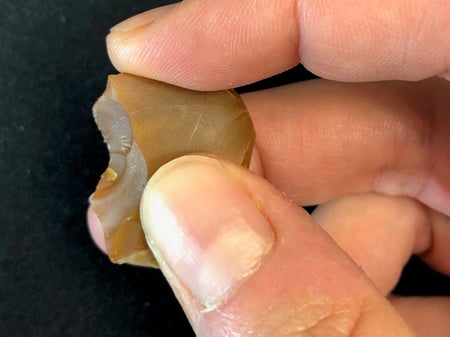
Early Butchers Used Small Stone Scalpels
Homo erectus used hand axes to butcher elephants and other game. But a new study suggests they also used finer, more sophisticated blades. Christopher Intagliata reports.
Early Butchers Used Small Stone Scalpels
Homo erectus used hand axes to butcher elephants and other game. But a new study suggests they also used finer, more sophisticated blades. Christopher Intagliata reports.
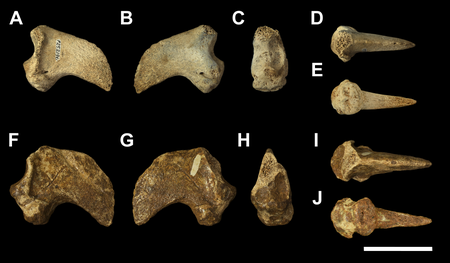
Bizarre Fossil Mammal Was an Ice Age Tree Hugger
A new analysis finds extinct wombat cousins were heftier and stranger than previously thought


Eavesdropping Puts Anxious Squirrels at Ease
Squirrels constantly scan their surroundings for hawks, owls and other predators. But they also surveil for threats by eavesdropping on bird chatter. Christopher Intagliata reports.
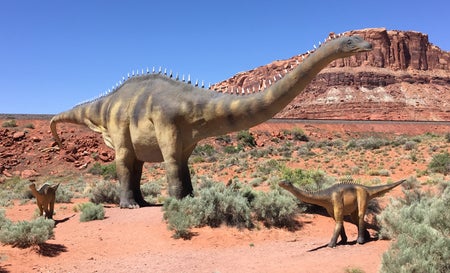
Did a Jurassic Dinosaur Smoosh a Turtle?
A smashed shell may have been crumpled by an ambling dinosaur
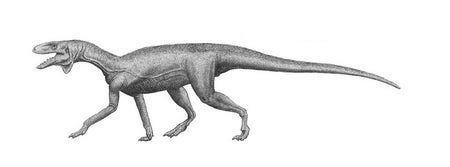
New Proto-Dinosaur Found in Colorado
A lanky reptile found in the Centennial State is a close cousin of early dinosaurs

Humpback Whales Swap Songs at Island Hub
At the Kermadec Islands, humpbacks from all over the South Pacific converge and swap songs. Christopher Intagliata reports.

Did the Dinosaur-Killing Asteroid Inadvertently Help Lichens?
The leafy lichens seem to have picked up where a lot of incinerated plants left off

Canine MRIs Sniff Out How Human Preferences Shaped Dogs’ Hallmark Traits
A new study explores the brain structure of various dog breeds and how it relates to their behavior

Deception in the Animal Kingdom
Homo sapiens is not the only species that lies

The History of Opium, Facing Up to Quantum Mechanics and Other New Science Books
Book recommendations from the editors of Scientific American
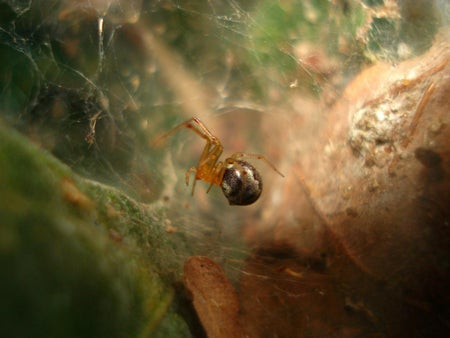
How Hurricanes Influence Spider Aggressiveness
As Hurricane Dorian approaches Florida, consider that feeding style means that aggressive tangle-web spider colonies produce more offspring after severe weather, while docile colonies do better in calm conditions.
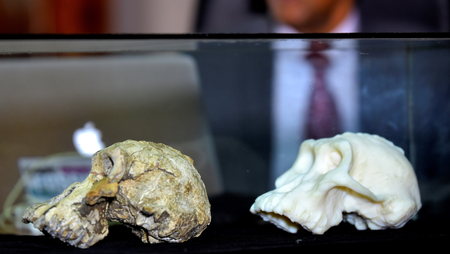
Rare 3.8-Million-Year-Old Skull Recasts Origins of Iconic “Lucy” Fossil
An ancient cranium discovered in Ethiopia suggests the early hominin evolutionary tree is messier than we thought