Evolutionary BiologyAugust 11, 2026
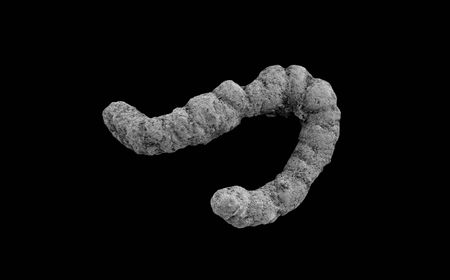
Did poop fuel paleontology’s vaunted Cambrian explosion?
The Cambrian explosion is a critical moment for life on Earth—and it may have been all about poop
Did poop fuel paleontology’s vaunted Cambrian explosion?
The Cambrian explosion is a critical moment for life on Earth—and it may have been all about poop
Humans’ sense of smell is still evolving
A genetic study shows how smell capabilities were maintained in a hunter-gatherer population


How much of our existence do we owe to sugar?
It may be time to rethink our relationship with the sweet stuff
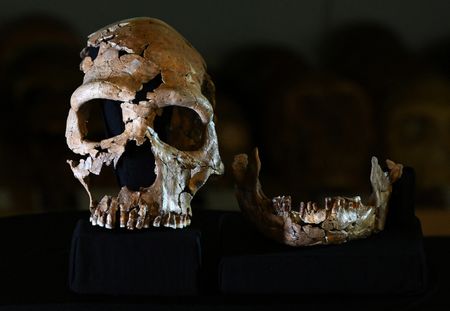
Neanderthal genes may give modern humans’ muscles a boost
Most of the world’s population carries at least a little Neanderthal DNA
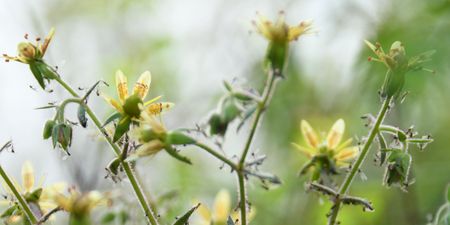
Newly discovered carnivorous plant is as deceptive as it is deadly
Charles Darwin predicted in 1875 that some members of the Saxifraga genus could be carnivorous—now scientists have finally proven him right
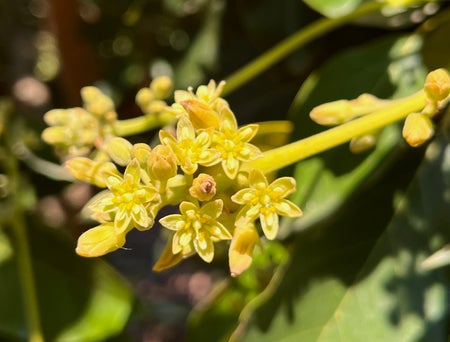
Avocado flowers switch sex daily—now we know why
New work explains how avocado trees coordinate a complex reproductive strategy, switching every day between male and female
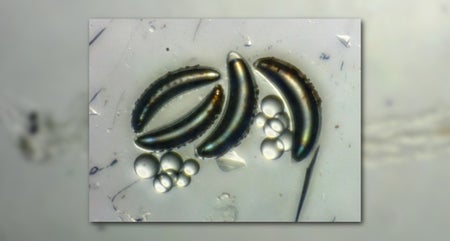
Can insects live in the ocean? These baby flies could offer clues
Nobody knows why insects aren't found living in the ocean. Scientists just eliminated one theory
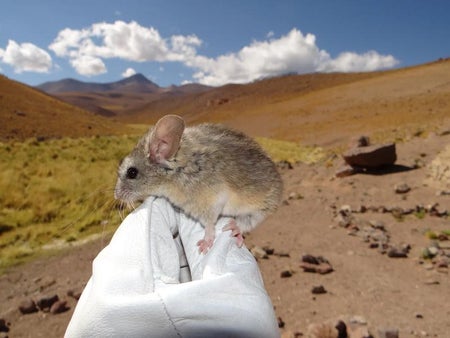
How an absurdly cute mouse manages to live in environments no other mammal can
Living at altitudes with less than half the oxygen at sea level, these mice have adapted to their environment in unique ways
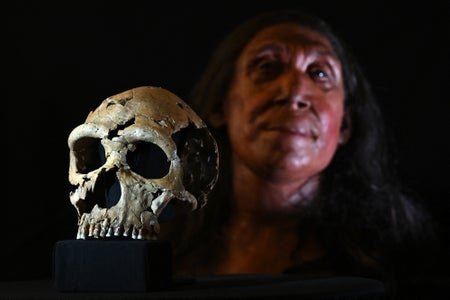
Did our modern human ancestors and Neanderthals share a common culture?
Both Neanderthals and Homo sapiens may have shared tools and behavioral practices, new research suggests

Armita Manafzadeh
Investigating the shape and evolution of animal joints

The paleoneurologist saved by her science
Johanna Gabriela Ottilie “Tilly” Edinger dedicated her career to studying ancient brains. It saved her life
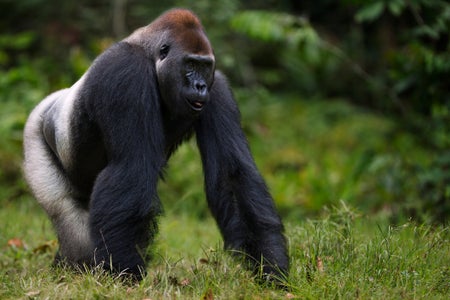
Did the last common ancestor of humans and apes walk like a gorilla? A new study offers a clue
Some extinct human ancestors and modern-day apes appear to share wrist traits that raise the question of whether our last common ancestor walked on its knuckles