
The SciencesDecember 1, 2015
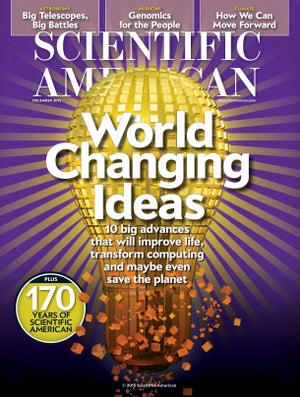
World Changing Ideas 2015
10 big advances that will improve life, transform computing and maybe even save the planet
You are currently logged out. Please sign in to download the issue PDF.
World Changing Ideas 2015
10 big advances that will improve life, transform computing and maybe even save the planet
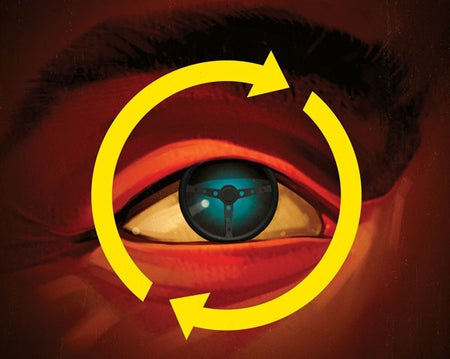
Algorithms Read Your Intentions by Tracking Your Eyes
Software that translates eye movement into commands to control devices could be a boon for motion-impaired people
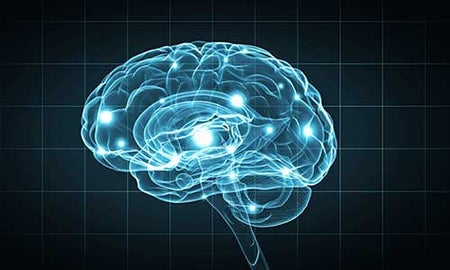
Injectable Probes Could Transform Brain Monitoring
Conductive polymer mesh could be a boon to brain research
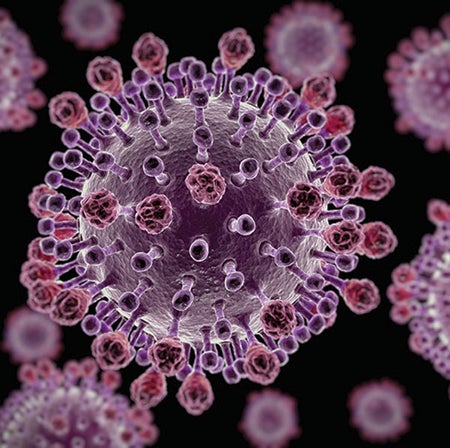
One Test Detects Every Vertebrate Virus
A new method identifies every virus in a given sample with near-perfect accuracy
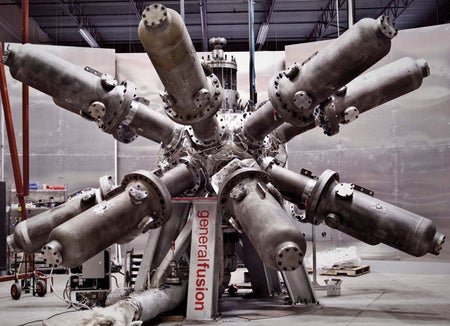
Why Fusion Researchers Are Going Small
After decades of slow progress and massive investment, some fusion power researchers are changing tactics
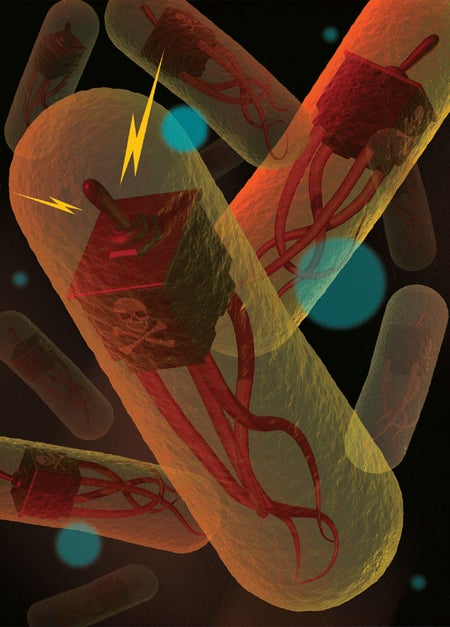
Why Scientists Are Making Kill Switches for GMOs
A genetic kill switch could prevent industrial espionage and environmental contamination

Cooling Panels Pull Heat from Buildings, Beam It into Space
A multipurpose mirror sucks up heat and beams it into outer space
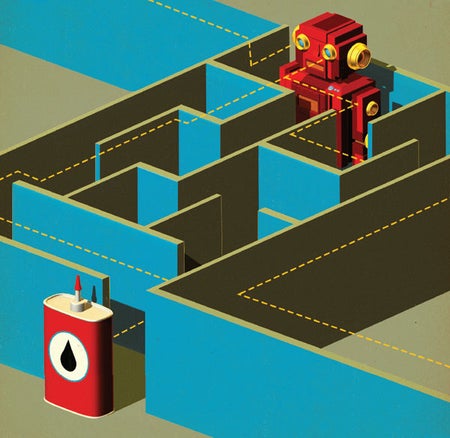
Deep Learning Is the A.I. Breakthrough We've Been Waiting For
Deep-learning technology is helping A.I. fulfill its promise
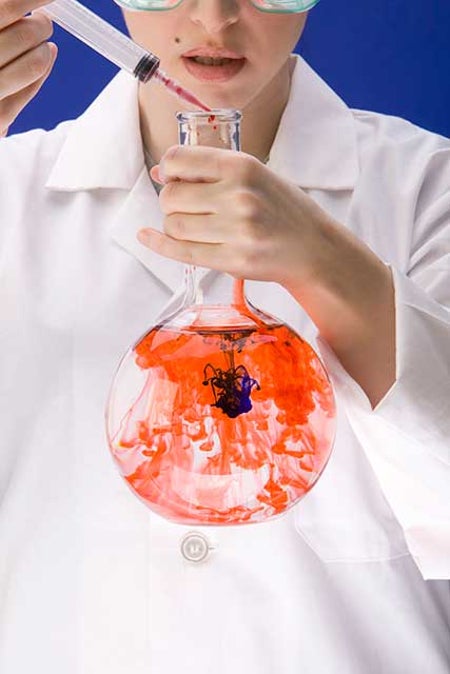
How to Watch a Chemical Reaction in Slow Motion
Infrared spectroscopy and computer simulations reveal the hidden world of solvent-solute interactions

Cameras That See around Corners Are Closer Than You Might Think
Bouncing photons let cameras see beyond the line of sight

The U.S. Started as a Nation of Tinkerers
Scientific American came out 170 years ago celebrating the individual tinkerer and wound up bearing witness to major technological upheaveals in the nation and the world
Landmark Articles Highlight Scientific American's 170 years
Since 1845, Scientific American has chronicled ideas and inventions that have changed the world. On the following pages, we present highlights from our archives on evolution, the cosmos, the brain and other topics, including a few written for us by our 155 Nobel Prize–winning authors
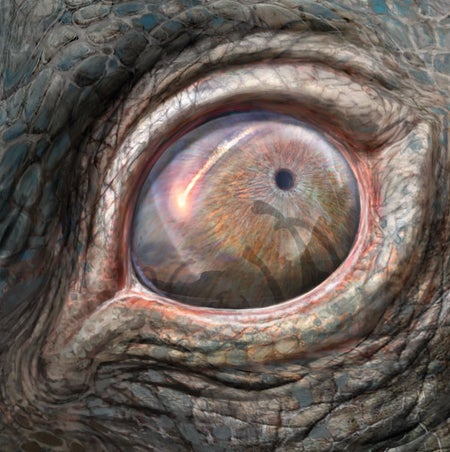
What Killed the Dinosaurs
The asteroid strike was bad. The timing was worse
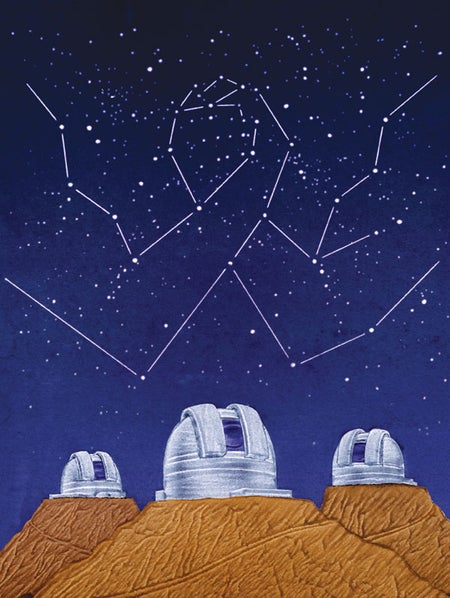
Behind Tomorrow's Telescopes: A Bitter Rivalry from Yesterday
Old grudges between three teams of astronomers have threatened the survival of ground-based astronomy's boldest, biggest projects

Unique Clinic Uses Genomic Findings to Help Patients Immediately
A children's clinic raised and supported by Amish and Mennonites proves that high-tech genetics research can be harnessed right now to prevent disease

Without Government, the Marketplace Will Not Solve Climate Change
Whether or not the world reaches an international emissions agreement, the U.S. government holds the real solution