

Despite setbacks to science and public health in 2025—from drastic funding cuts to federal governmental departures from rigorous, evidence-based studies—medicine progressed in some exciting areas this year. Here are 10 fascinating discoveries Scientific American reported on in 2025 that changed our understanding of health and the human body and led to treatments of age-old diseases—underscoring how important this research is.
A Vaccine May Prevent Alzheimer’s
A landmark real-world experiment gave the strongest evidence yet that the shingles vaccine could lower the risk of Alzheimer’s disease and other forms of dementia, finally giving concrete data to support a longtime hunch that viruses may somewhat increase dementia risk. People in Wales who received the shingles shot were 20 percent less likely to develop dementia over the next seven years compared with those who did not get it.
On supporting science journalism
If you're enjoying this article, consider supporting our award-winning journalism by subscribing. By purchasing a subscription you are helping to ensure the future of impactful stories about the discoveries and ideas shaping our world today.
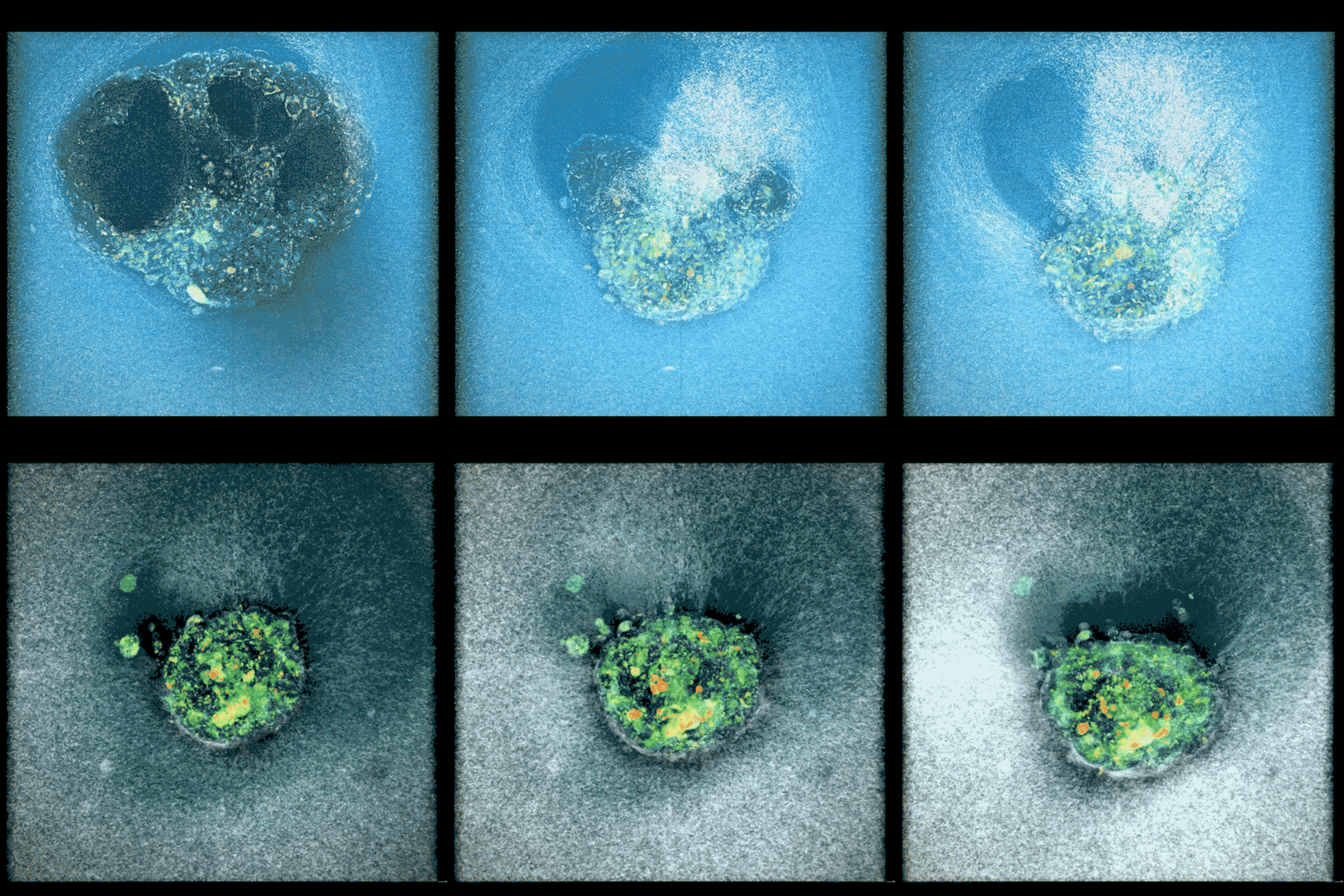
An embryo compacting and invading the uterine tissue.
Sarah Moreira Castro
Human Embryo Implantation in 3D
For the very first time, researchers captured incredible real-time, three-dimensional images and videos of a human embryo implanting into artificial uterine tissue. This implantation used a lab matrix that was not designed for in vitro fertilization (IVF), but the study’s authors said the new footage of the reproduction stage could potentially inform better IVF techniques. Implantation failure is one of the main causes of infertility and miscarriages.
Male Birth Control Pill?
Male contraception options are limited to condoms and vasectomies, but a male birth control pill is inching closer to reality. The daily nonhormonal oral contraceptive is the first of its kind to pass early-phase safety trials in humans. The pill works by blocking a vitamin A metabolite from binding to receptors in the testes, ultimately stopping the sperm-making process. The effects are reversible when people stop taking the medication. The pill must undergo larger human trials and efficacy studies before it can be approved, however.
Coffee in the Gut
The largest study ever on coffee and the gut microbiome revealed that regular coffee drinkers may have more of a “good” gut bacterium, Lawsonibacter asaccharolyticus. The little known microbe produces butyrate, a metabolite that aids in proper digestion and nutrient absorption. Scientists hope future investigations can confirm gut bacteria’s role in mediating coffee’s health benefits.
New GLP-1 Drug Insights
This year scientists peeled back more layers to how new glucagonlike peptide 1 (GLP-1) drugs, such as Ozempic and Wegovy, affect the body and the brain. Researchers gained clues as to why some people taking GLP-1 drugs experience shifts in their favorite foods—suddenly finding meats repulsive or fried foods too heavy. New data also show the vast majority of people who start a GLP-1 drug quit treatment within two years, raising questions about what stopping the medication—which is intended for lifelong use—might do to long-term health. Emerging genetics research is also offering insight into GLP-1 drug “nonresponders”—people who are unable to lose enough weight to see health benefits. And preliminary findings suggest both the gut and the brain may be involved in the drugs causing some people to drink less alcohol—and feel less drunk when they do.
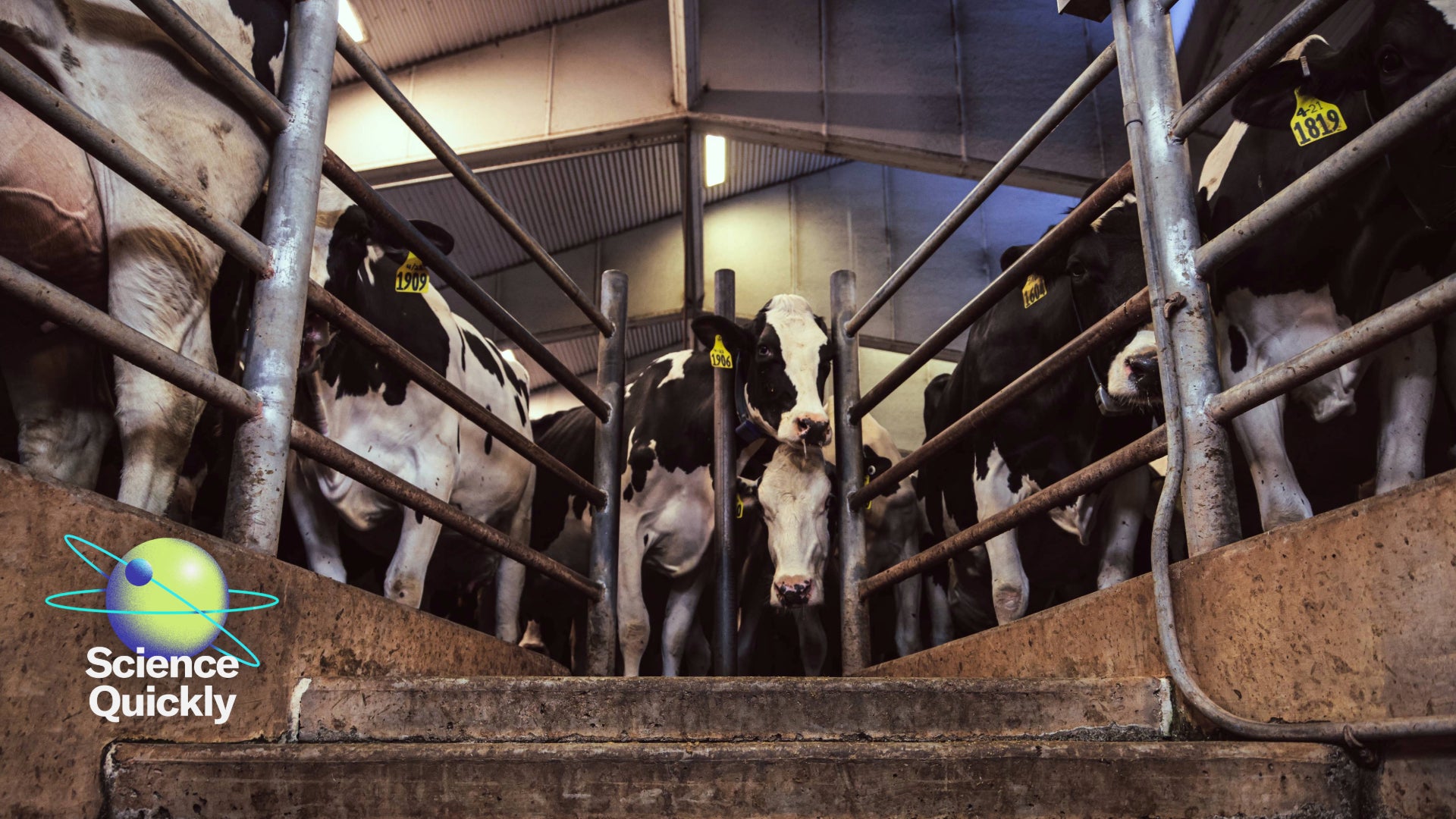
Dairy cows inside the Teaching Dairy Barn at Cornell University in Ithaca, N.Y.
Jeffery DelViscio/Scientific American
Secrets of Bird Flu
This year we followed avian influenza’s blazing path through U.S. dairy cattle, poultry and wildlife. A few humans have also gotten sick with the highly pathogenic H5N1 bird flu virus. Scientists have been chasing clues to the virus’s ability to jump from species to species—and evaluating how prepared we are for a potential pandemic. In a three-episode special of Scientific American’s podcast Science Quickly, we took listeners to beaches, barns and biosafety vaccine labs alongside researchers studying one of the highest-profile viruses of the past year.
Supplements That Work
Thousands of pills, capsules and powders claim to “support immunity” or “reduce inflammation,” but what does the evidence actually support? In Scientific American’sreview of the research on anti-inflammatory supplements, three showed notable effectiveness at tamping down disease-related inflammation: omega-3 fatty acids, curcumin and vitamin D.
Another new analysis suggested that vitamin D might help slow down aging by stopping the loss of telomeres—the end caps of chromosomes, which shorten as humans age. The effect, though, may not result in any real clinical benefit in aging, according to experts. And other studies show that too much vitamin D was also associated with shorter telomeres.
Better Than Bleach
Hypochlorous acid—a centuries-old germ killer that is increasingly found in skin care products—might become the next best disinfectant. Not to be confused with sodium hypochlorite in household bleach, hypochlorous acid is a weak acid that can be safely used on the skin and that destroys an array of harmful microbes by attacking cell walls. Poor shelf stability has prevented it from becoming mainstream, but scientists are tinkering with the chemical to make it last longer.
Severe Morning Sickness Relief
Hyperemesis gravidarum is a severe form of morning sickness that affects up to 3 percent of pregnant people. It is the primary cause of hospitalization in early pregnancy—and, in some cases, it can be life-threatening. This year Marlena Fejzo won the BioInnovation Institute & Science Translational Medicine Prize for Innovations in Women’s Health for discovering key genes behind the condition. She told Scientific American about her personal journey with hyperemesis gravidarum and new research on future treatments.
Immune “Peacekeeper” Cells Win Nobel
The 2025 Nobel Prize in Physiology or Medicine recognized research into the system that stops immune responses from running amok and attacking the body—a process that is key to preventing autoimmune disease. Researchers Mary E. Brunkow, Fred Ramsdell and Shimon Sakaguchi jointly won the prize for their fundamental discoveries about that system, called peripheral immune tolerance. Central to the process are immune cells called regulatory T cells, which Sakaguchi and his colleague Zoltan Fehervari nicknamed “peacekeepers” in a 2006 article they wrote for Scientific American. Scientists are now trying to tap these cells for new ways to treat cancer, type 1 diabetes, rheumatoid arthritis and organ or tissue transplant complications.