PolicyAugust 1, 2021
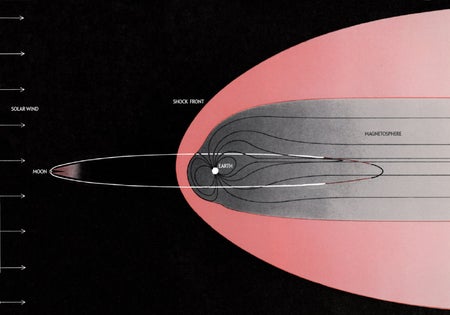
50, 100 & 150 Years Ago: August 2021
Tasty radio; early fake leather
Mark Fischetti was a senior editor at Scientific American for nearly 20 years and covered sustainability issues, including climate, environment, energy, and more. He assigned and edited feature articles and news by journalists and scientists and also wrote in those formats. He was founding managing editor of two spin-off magazines: Scientific American Mind and Scientific American Earth 3.0. His 2001 article “Drowning New Orleans” predicted the widespread disaster that a storm like Hurricane Katrina would impose on the city. Fischetti has written as a freelancer for the New York Times, Sports Illustrated, Smithsonian and many other outlets. He co-authored the book Weaving the Web with Tim Berners-Lee, inventor of the World Wide Web, which tells the real story of how the Web was created. He also co-authored The New Killer Diseases with microbiologist Elinor Levy. Fischetti has a physics degree and has twice served as Attaway Fellow in Civic Culture at Centenary College of Louisiana, which awarded him an honorary doctorate. In 2021 he received the American Geophysical Union’s Robert C. Cowen Award for Sustained Achievement in Science Journalism. He has appeared on NBC’s Meet the Press, CNN, the History Channel, NPR News and many radio stations.
50, 100 & 150 Years Ago: August 2021
Tasty radio; early fake leather
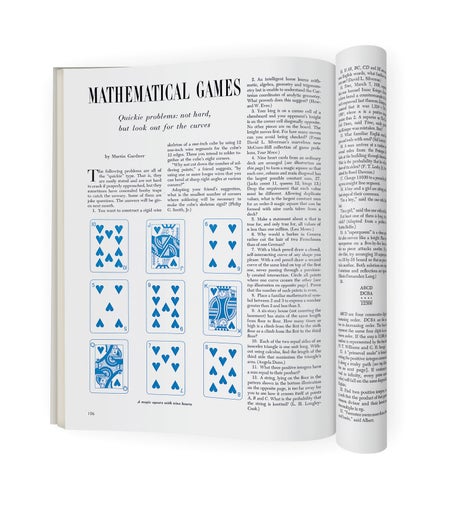
50, 100 & 150 Years Ago: July 2021
Madame Curie honored; immortality for humans
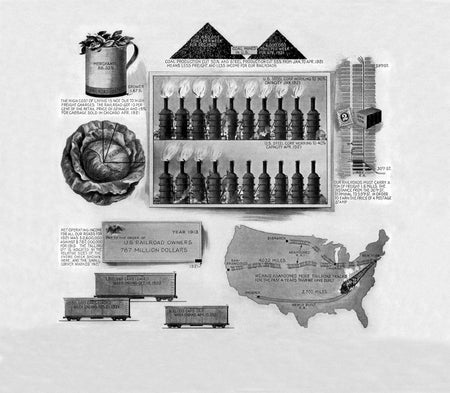
50, 100 & 150 Years Ago: June 2021
Social strata of turkeys; moon bombs

50, 100 & 150 Years Ago: May 2021
When time began; superior bread baking
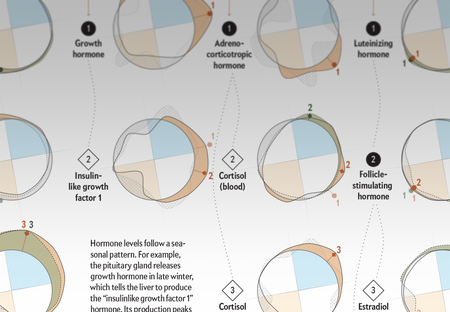
Hormone Highs and Lows Follow a Seasonal Pattern
A newly discovered internal body clock creates annual peaks and valleys
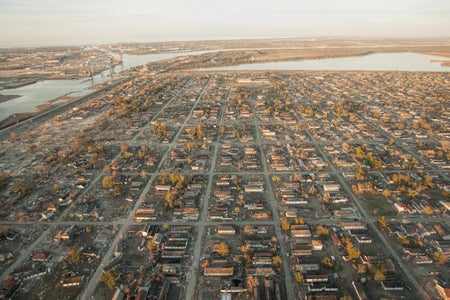
Youth Leaders for Climate Justice Say, ‘We Are Ready to Work’
Inspiring individuals from Argentina, Colombia and Kuwait lay out actions that can improve people’s lives
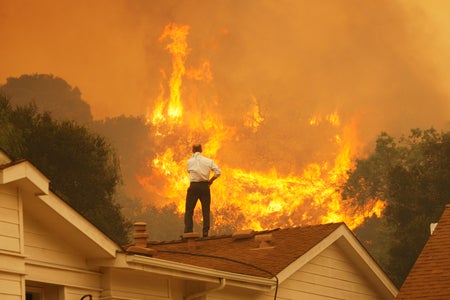
We Are Living in a Climate Emergency, and We’re Going to Say So
It’s time to use a term that more than 13,000 scientists agree is needed
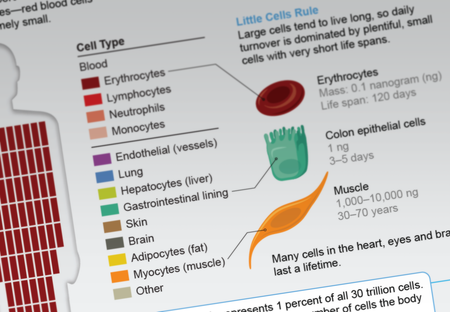
Our Bodies Replace Billions of Cells Every Day
Blood and the gut dominate cell turnover
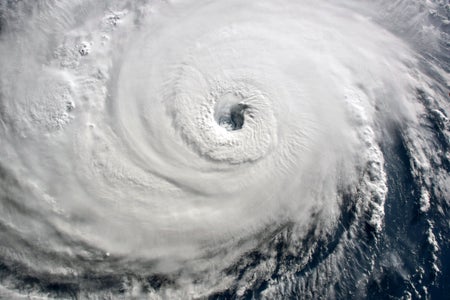
Hurricane Names from Greek Alphabet Are Dropped
Sticking with human names will lessen confusion and distraction
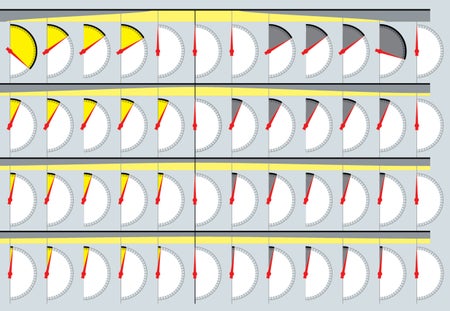
Sunlight Changes Unequally All Year Long
Some days we gain one minute; some days we gain three
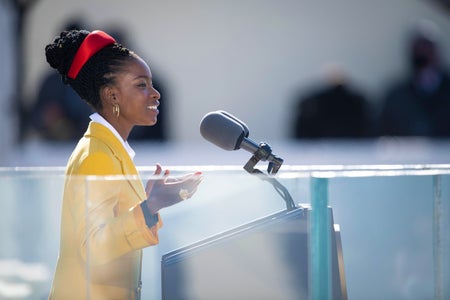
Amanda Gorman’s Climate Poem Says, Act ‘Now, Now, Now’
The youth poet laureate offers an urgent message
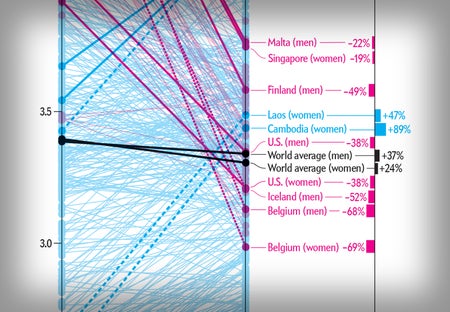
Cholesterol Drops in the West and Rises in the East
Blood levels change as people alter diets and the use of statin medications
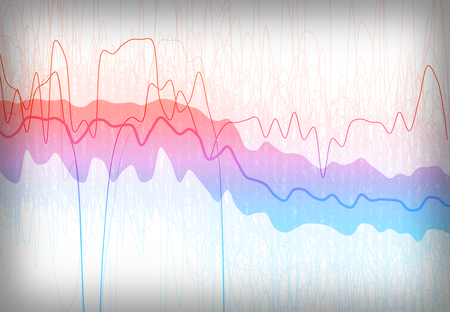
COVID Pandemic Reduces Seismic Noise
Vibrations in the earth’s crust generated by human activity dropped as lockdowns went into effect

The COVID Cold Chain: How a Vaccine Will Get to You
A vaccine logistics expert explains how millions of frozen vials will be widely distributed
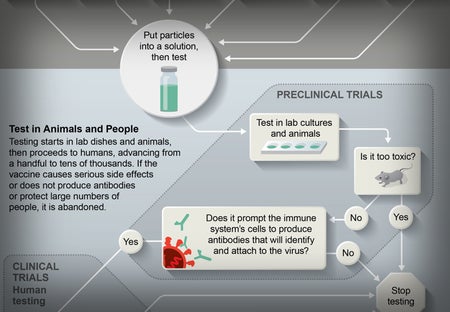
Coronavirus Vaccine Is 90 Percent Effective in Large Trial, Pfizer Says
Genetic engineering could allow for speedy production as well
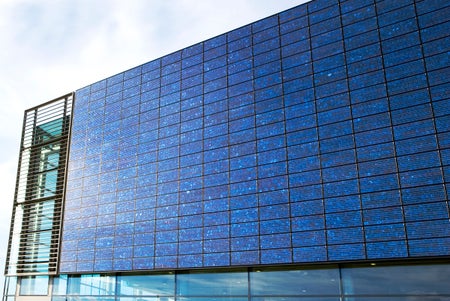
Election Science Stakes: Energy
Scientific American senior editor Mark Fischetti and associate editor Andrea Thompson talk about this election and the future of U.S. energy research and policy.

Election Science Stakes: Environment
Scientific American senior editor Mark Fischetti talks about how this election will affect environmental science and policy.
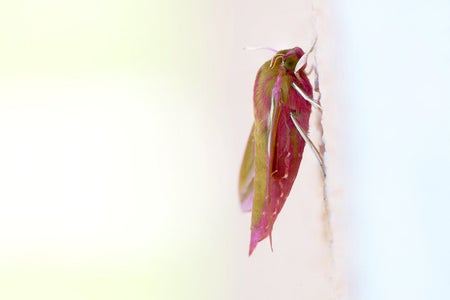
Bizarre Bugs Found in Big City Show Nature’s Weirdness Is Everywhere
An urban expedition reveals nearly 1,000 species
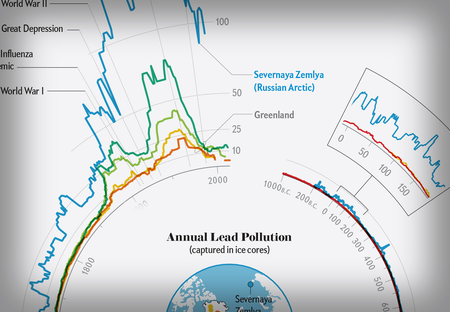
Lead Pollution Reflects Dramatic World Events
Emissions of lead particles wax and wane with empires, plagues and revolutions
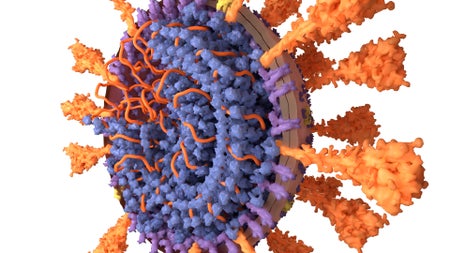
Coronavirus: How It Infects Us and How We Might Stop It
How does SARS-CoV-2 sneak into our body? What can our immune system do and how can the virus sometimes defeat it? How do the leading drug and vaccine candidates work? Will the virus plague us forever? Scientific American presents a conversation about these burning questions with Britt Glaunsinger, a virologist at the University of California, Berkeley, and the Howard Hughes Medical Institute who is a specialist in viral infection.
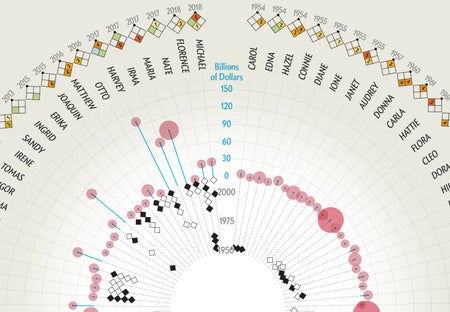
Why Hurricane Names Are Retired
Deaths or excessive damage put Katrina, Maria, Harvey and other monikers out of circulation
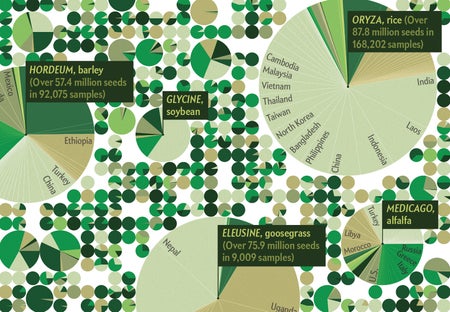
The Svalbard Vault Now Has One Million Seeds
Backup seeds—held in storage as insurance against climate change—come from nearly every country in the world
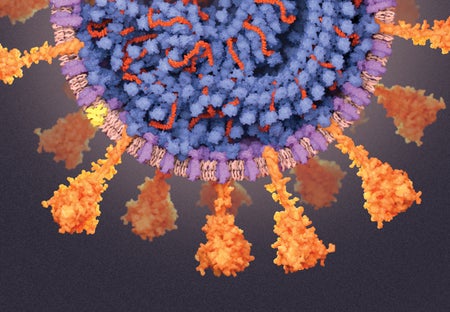
A Visual Guide to the SARS-CoV-2 Coronavirus
What scientists know about the inner workings of the pathogen that has infected the world
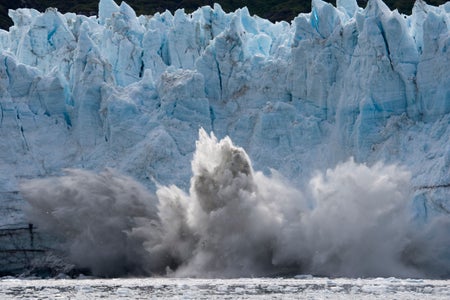
Science on the Hill: Calculating Climate
For the fourth Science on the Hill event, Future Climate: What We Know, What We Don’t, experts talked with Scientific American senior editor Mark Fischetti about what goes into modeling our climate—and how such models are used in addition to long-term climate prediction.