EvolutionOctober 31, 2019
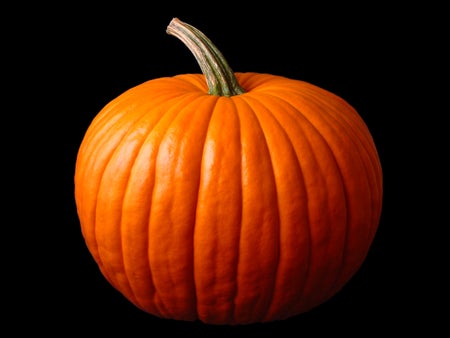
We Owe Our Pumpkins to Pooping Megafauna
The pumpkin’s ancestor was an incredibly bitter, tennis-ball-sized squash—but it was apparently a common snack for mastodons. Christopher Intagliata reports.
We Owe Our Pumpkins to Pooping Megafauna
The pumpkin’s ancestor was an incredibly bitter, tennis-ball-sized squash—but it was apparently a common snack for mastodons. Christopher Intagliata reports.
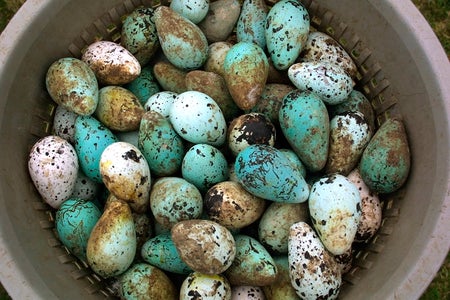
Bird Egg Colors Are Influenced by Local Climate
In cold, northern climates, eggs tend to be darker and browner—heat-trapping colors that allow parents to spend a bit more time away from the nest. Christopher Intagliata reports.

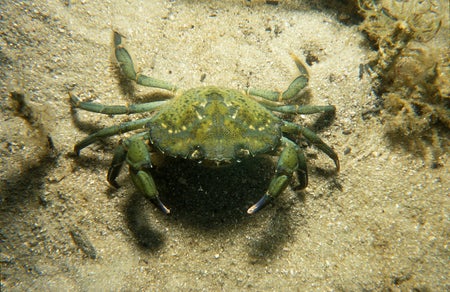
Crabs Do a Maze
Green crabs learned to navigate a maze without making a single wrong turn—and remembered the skill weeks later. Christopher Intagliata reports.
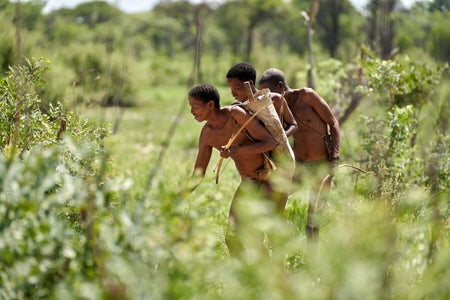
Lush Okavango Delta Pinpointed as Ancestral Homeland of All Living Humans
Genetic evidence traces our origins to a hunter-gatherer community that lived 200,000 years ago, but the study has generated controversy
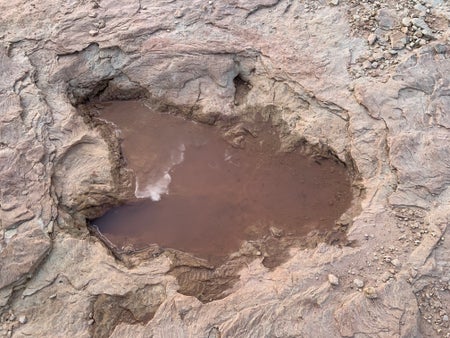
What Made Dinos Sore?
A new review digs into how the terrible lizards dealt with aches and pains
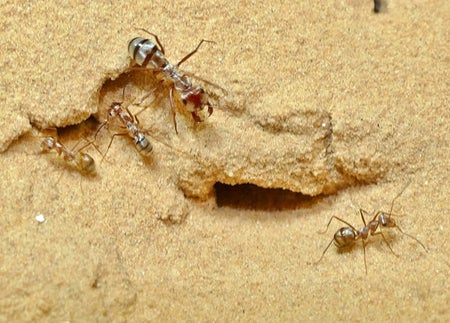
Galloping Ant Beats Saharan Heat
The Saharan silver ant feeds on other insects that have died on the hot sands, which it traverses at breakneck (for an ant) speeds.
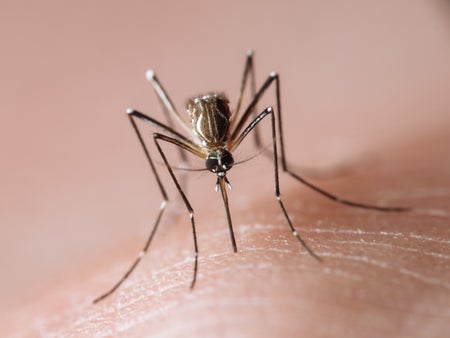
Some Mosquito Repellents Act like Invisibility Cloaks
Synthetic repellents such as DEET seem to mask the scent of our “human perfume”—making us less obvious targets for mosquitoes. Christopher Intagliata reports.
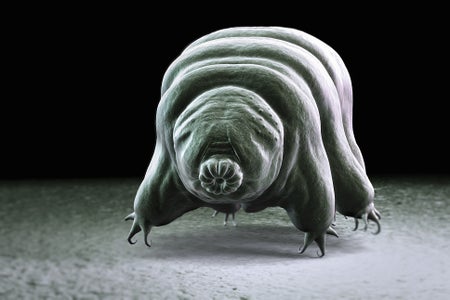
Tardigrade Protein Protects DNA from Chemical Attack
The Dsup protein protects DNA under conditions that create caustic free radical chemicals.
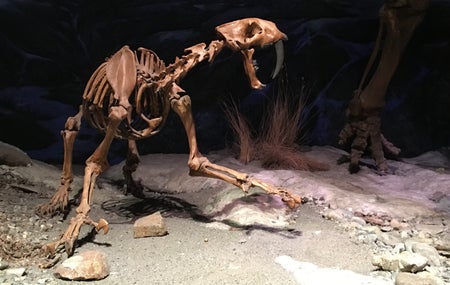
Canada Gets Its First Smilodon
Fossils found near Medicine Hat, Alberta, expand the saber-tooth cat’s range by more than 600 miles

Ancient Teeth Reveal Social Stratification Dates Back to Bronze Age Societies
Humans have a history of status division stretching back at least 4,000 years
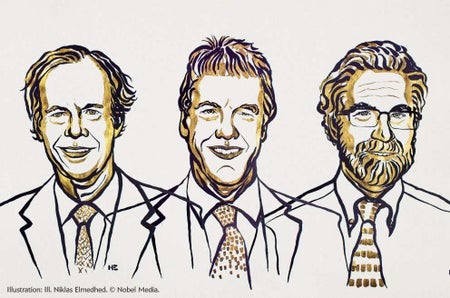
How Cells Sense Oxygen Levels: Nobel Prize in Physiology or Medicine
William Kaelin, Jr., Peter Ratcliffe and Gregg Semenza share the 2019 Nobel Prize in Physiology or Medicine “for their discoveries of how cells sense and adapt to oxygen availability.” New therapies for cancer and conditions such as anemia are in the pipeline, based on these discoveries.
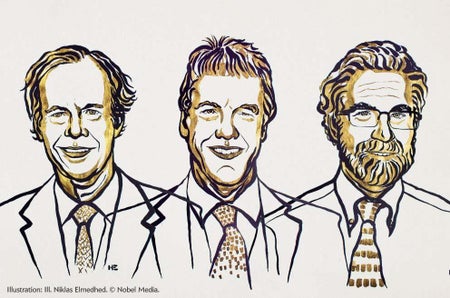
Nobel in Physiology or Medicine for How Cells Sense Oxygen Levels
The 2019 Nobel Prize in Physiology or Medicine goes to William G. Kaelin, Jr., Peter J. Ratcliffe and Gregg L. Semenza “for their discoveries of how cells sense and adapt to oxygen availability.” They identified molecular machinery that regulates gene activity in response to changing levels of oxygen.