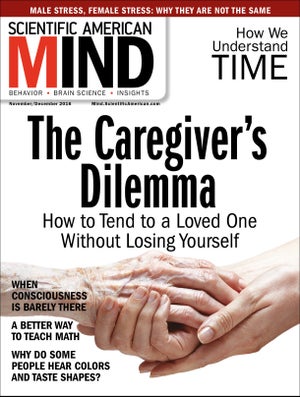
The Caregiver’s Conundrum
Tens of millions of people minister to a loved one on a full- or part-time basis, often putting their own lives on hold. Now researchers are finding ways to help them care for others without losing themselves
You are currently logged out. Please sign in to download the issue PDF.

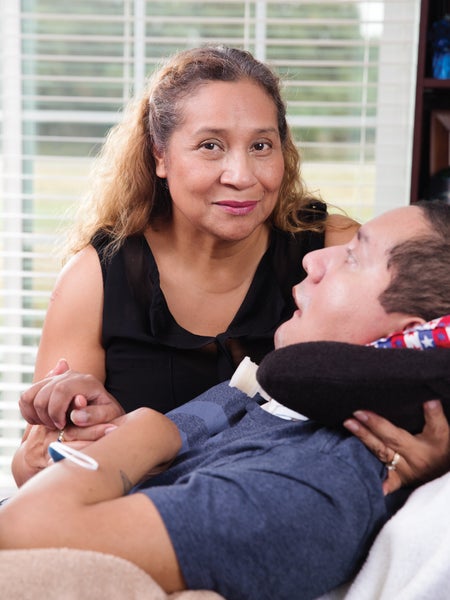
The Caregiver’s Conundrum
Tens of millions of people minister to a loved one on a full- or part-time basis, often putting their own lives on hold. Now researchers are finding ways to help them care for others without losing themselves
Anatomy of an Intervention
A research-based way to improve life and reduce depression among people caring for loved ones with dementia

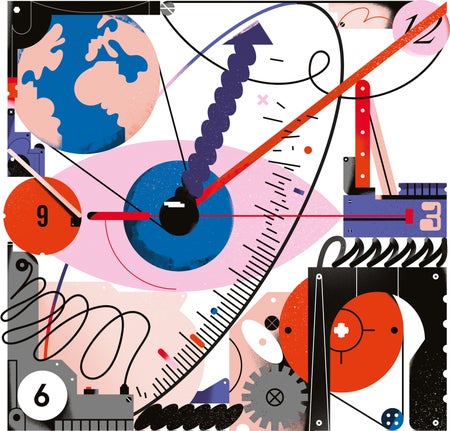
How We Make Sense of Time
Long, short, forward and back: Our concepts of time—and how we process it in the brain—are based on our understanding of physical space, with some surprising cultural variations

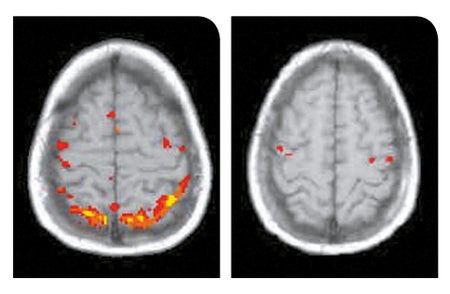
In Search of Hidden Minds
Finding signs of consciousness among severely brain-injured patients is medically challenging—and morally imperative

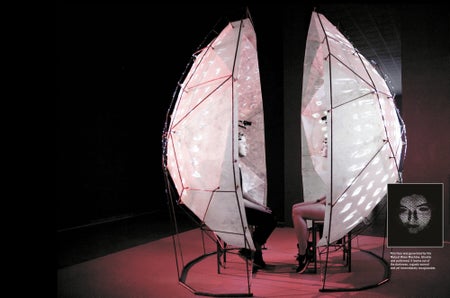
The Art of Neuroscience
Stunning images from an annual competition reveal the beauty of a complex science

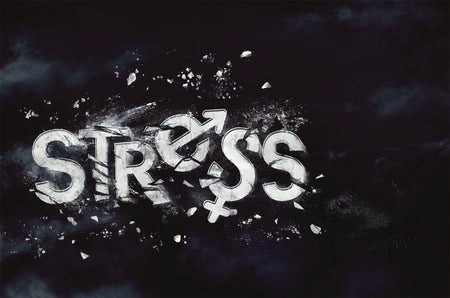
Female Stress—a Faster, Stronger Response
The male and female responses to stress are biologically different. What does that mean for treating PTSD, depression and other disorders?

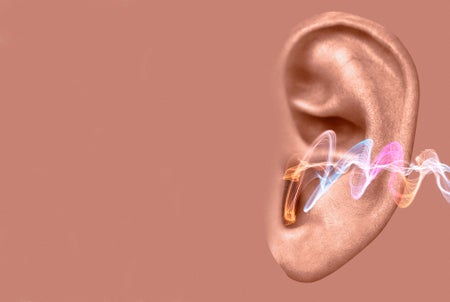
Hear the Violet, Taste the Velvet
Research is unwinding the physiological basis of synesthesia, finding links to migraine, autism and other conditions that suggest a role for the immune system

So, You Want to Be a Synesthete?
Several “artificial” approaches exist but most evidence suggests that training cannot capture a synesthete’s experience